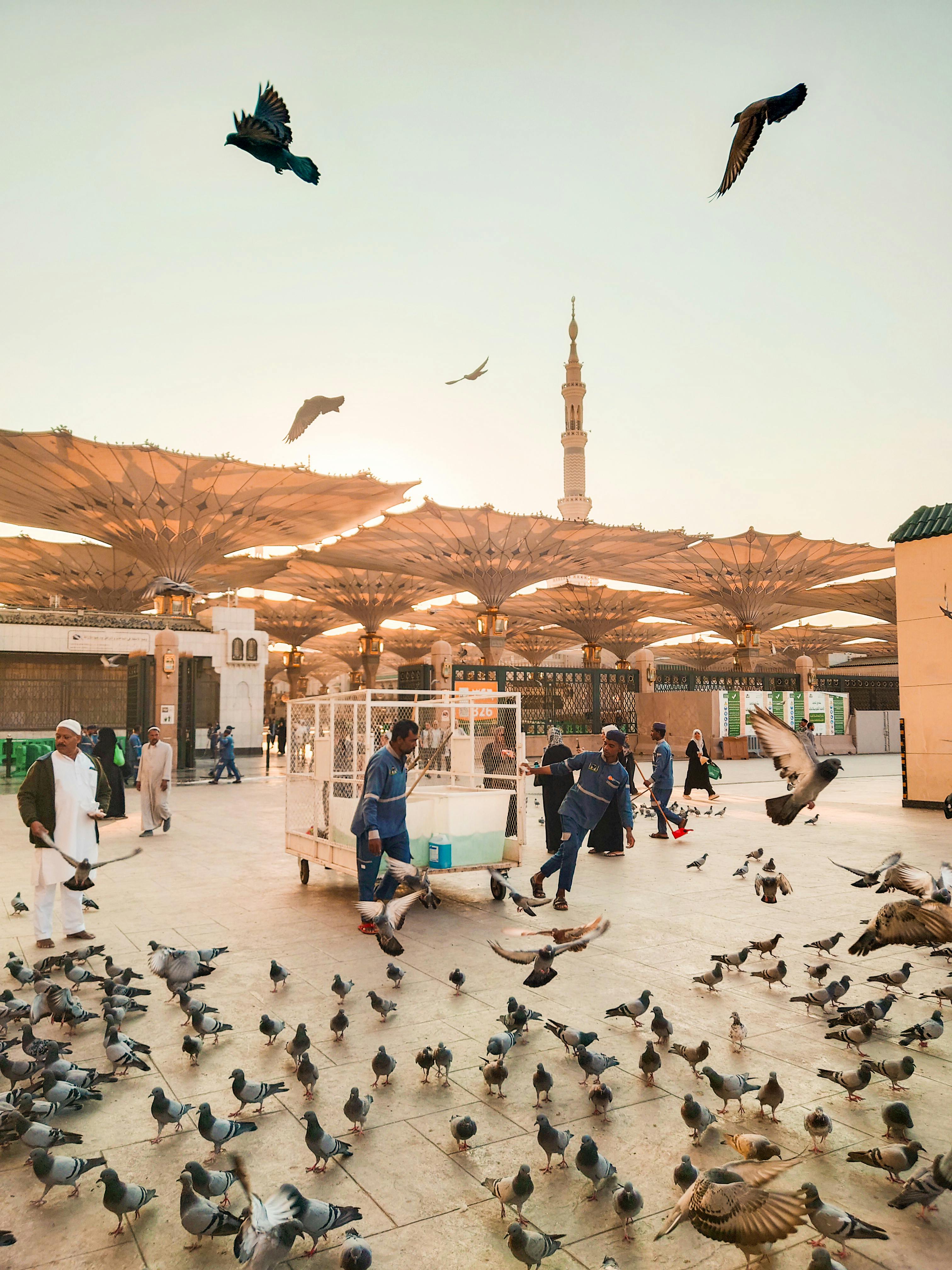
7 Best Places to Visit in Madinah for Umrah Pilgrims
7 Best Places to Visit in Madinah for Umrah Pilgrims — practical, evergreen guidance from our licensed Umrah specialists, written for pilgrims booking hotels in Makkah near Haram and our hotels in Madinah near the Prophet's Mosque. Every claim in this guide is verified against current Saudi Ministry of Hajj guidance and our own operational data from thousands of completed Umrah journeys. If you're planning your trip now, jump to our all-inclusive Umrah packages or read related deep-dives in the section below. Questions? Our WhatsApp team replies in under 30 seconds, 24/7.
Madinah, Saudi Arabia, is a sacred destination for Umrah pilgrims, offering a wealth of spiritual and historical sites that enrich your Umrah journey. Exploring the Best Places to Visit in Madinah, such as Al-Masjid an-Nabawi and Quba Mosque, connects you to the Prophet Muhammad’s legacy and provides moments of deep reflection. As someone who’s navigated
Quick overview
7 Best Places to Visit in Madinah for Umrah Pilgrims: quick overview
Madinah, Saudi Arabia, is a sacred destination for Umrah pilgrims, offering a wealth of spiritual and historical sites that enrich your Umrah journey. Exploring the Best Places to Visit in Madinah, such as Al-Masjid an-Nabawi and Quba Mosque, connects you to the Prophet Muhammad’s legacy and provides moments of deep reflection. As someone who’s navigated
- Al-Masjid an-Nabawi is the top priority for every pilgrim in Madinah.
- Quba Mosque offers a unique spiritual experience and historic significance.
- Mount Uhud and Sayyid al-Shuhada Mosque should be visited together.
- Jannat al-Baqi has gender-specific visiting rules and limited access.
- Balanced schedules help families avoid exhaustion and missed prayers.
- 🛡️ Licensed Travel Agency
- ⭐ 5-Star Rated Service
- 🏆 Best Umrah Service
- ✅ Verified Information
Key Takeaways
- Al-Masjid an-Nabawi is the top priority for every pilgrim in Madinah.
- Quba Mosque offers a unique spiritual experience and historic significance.
- Mount Uhud and Sayyid al-Shuhada Mosque should be visited together.
- Jannat al-Baqi has gender-specific visiting rules and limited access.
- Balanced schedules help families avoid exhaustion and missed prayers.
The seven best places to visit in Madinah for Umrah pilgrims are Al-Masjid an-Nabawi, Quba Mosque, Mount Uhud, Masjid al-Qiblatayn, Jannat al-Baqi, the Madinah Museum and Sayyid al-Shuhada Mosque. If your time is tight, give the Prophet’s Mosque priority, then group Quba and Qiblatayn into one outing and visit the Uhud sites together.
Madinah, Saudi Arabia, is not part of the Umrah rites themselves, but for many pilgrims it becomes the quietest and most affecting part of the whole trip. The city is closely tied to the life of Prophet Muhammad ﷺ, the Muhajirun and the Ansar, and those connections feel much clearer when you visit the places rather than only reading their names.
There is no need to rush through all seven in one day. That is where people often get it wrong. A packed sightseeing schedule can leave elderly parents exhausted and children irritable, while the family misses prayers in Al-Masjid an-Nabawi. We usually tell families to keep one main visit for the morning, return to the hotel before the strongest heat, and leave enough space around the five daily prayers.
Carry as little as possible: water, a small shoe bag, any regular medicine, sun protection and a compact prayer mat if you prefer using your own. For older pilgrims, a folding walking stick or wheelchair can matter more than another bottle of water. Strollers are useful outside, but entrances, crowd controls and prayer rows may mean folding them at short notice. Keep everyone’s hotel card and a working phone number with them in case the group becomes separated.
This Madinah guide explains why each place matters and, just as importantly, how to fit it into a sensible Umrah itinerary without turning a spiritual visit into a tiring coach tour.
1. How should you plan your time at Al-Masjid an-Nabawi?
Why the Prophet’s Mosque comes first
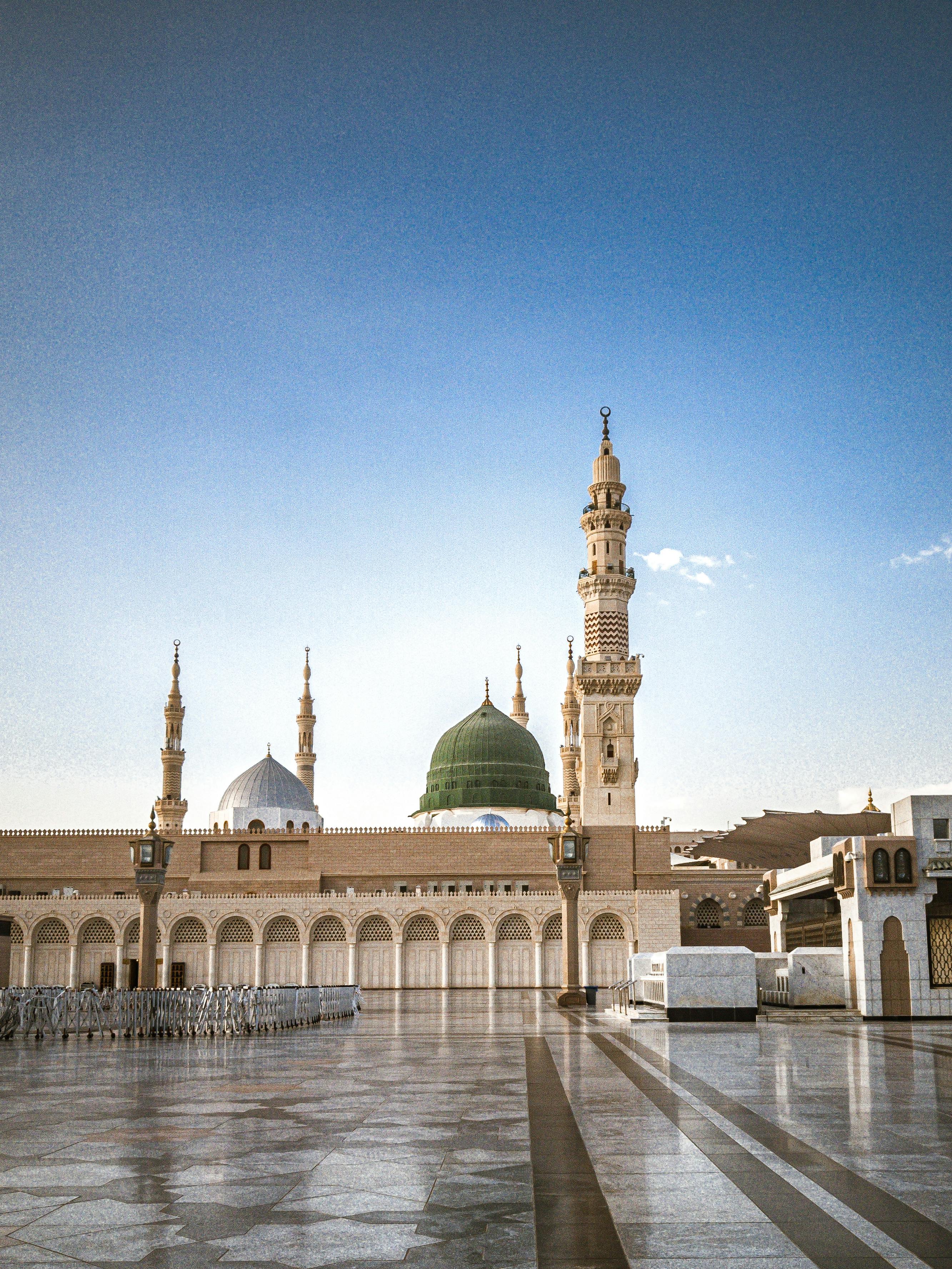
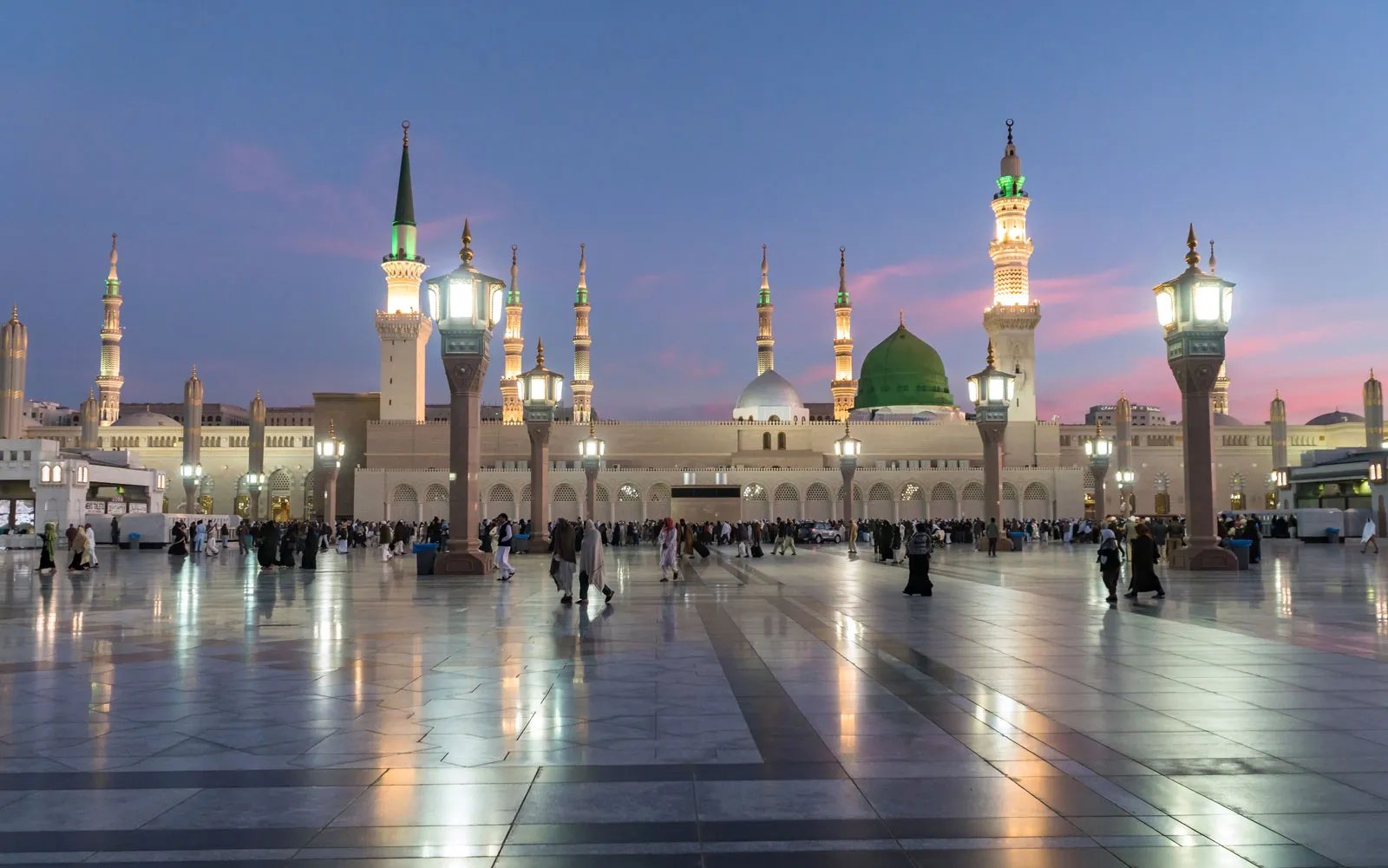
Al-Masjid an-Nabawi is the centre of a pilgrim’s stay in Madinah. Most people arrange their hotel, meals and outside visits around prayer here, rather than treating the mosque as one stop on a sightseeing list. Its broad marble courtyards, shaded areas and familiar green dome may look peaceful in photographs, but the scale only becomes clear when you arrive and see worshippers coming from every direction.
The mosque contains the resting place of Prophet Muhammad ﷺ, alongside Abu Bakr and Umar, may Allah be pleased with them. Pilgrims also hope to pray in the Rawdah, the area described in the hadith as a garden from the gardens of Paradise. Access is managed, and arrangements for men and women can differ, so check the current official process before setting out. Do not rely on an old screenshot, a forwarded message or advice from someone who travelled under different arrangements.
The Rawdah is deeply cherished, but it should not become a cause of pushing or argument. Follow the stewards, keep your belongings close and pray without blocking others longer than necessary. If access is not possible, remember that prayer elsewhere in Al-Masjid an-Nabawi remains a great blessing. We have seen pilgrims become so anxious about one appointment that they lose the calm they came to Madinah to find.
What makes the visit easier?
Arrive before the prayer rather than at the iqamah, especially if you are travelling with an older person or need an accessible entrance. The marble outside can feel hot in the day, while the walk from the road to your prayer area is often longer than it looks. Wear footwear that is easy to remove, carry it in a small bag and agree on a specific meeting point. “By the green dome” is not precise enough in a large crowd.
Men and women may enter through different gates or pray in separate sections, so couples should decide in advance where and when to meet. Mobile reception can become unreliable when many people leave together. Take a photograph of your gate number and nearby landmark; after a late prayer, several exits can look remarkably similar.
Wear loose, modest clothing suitable for prayer. The indoor halls are air-conditioned, but the courtyards can still be warm, and temperature changes may bother children or elderly travellers. A light layer is useful indoors. Large luggage does not belong on this visit, and bulky backpacks make movement through the rows harder for everyone.
2. Is Quba Mosque worth a separate journey?
Why pilgrims make time for Quba
Yes. Quba Mosque is recognised as the first mosque established by Prophet Muhammad ﷺ after his arrival in Madinah. Its bright exterior and open surroundings feel different from the dense streets around the Prophet’s Mosque, and the visit works well early in the morning when people are fresh.
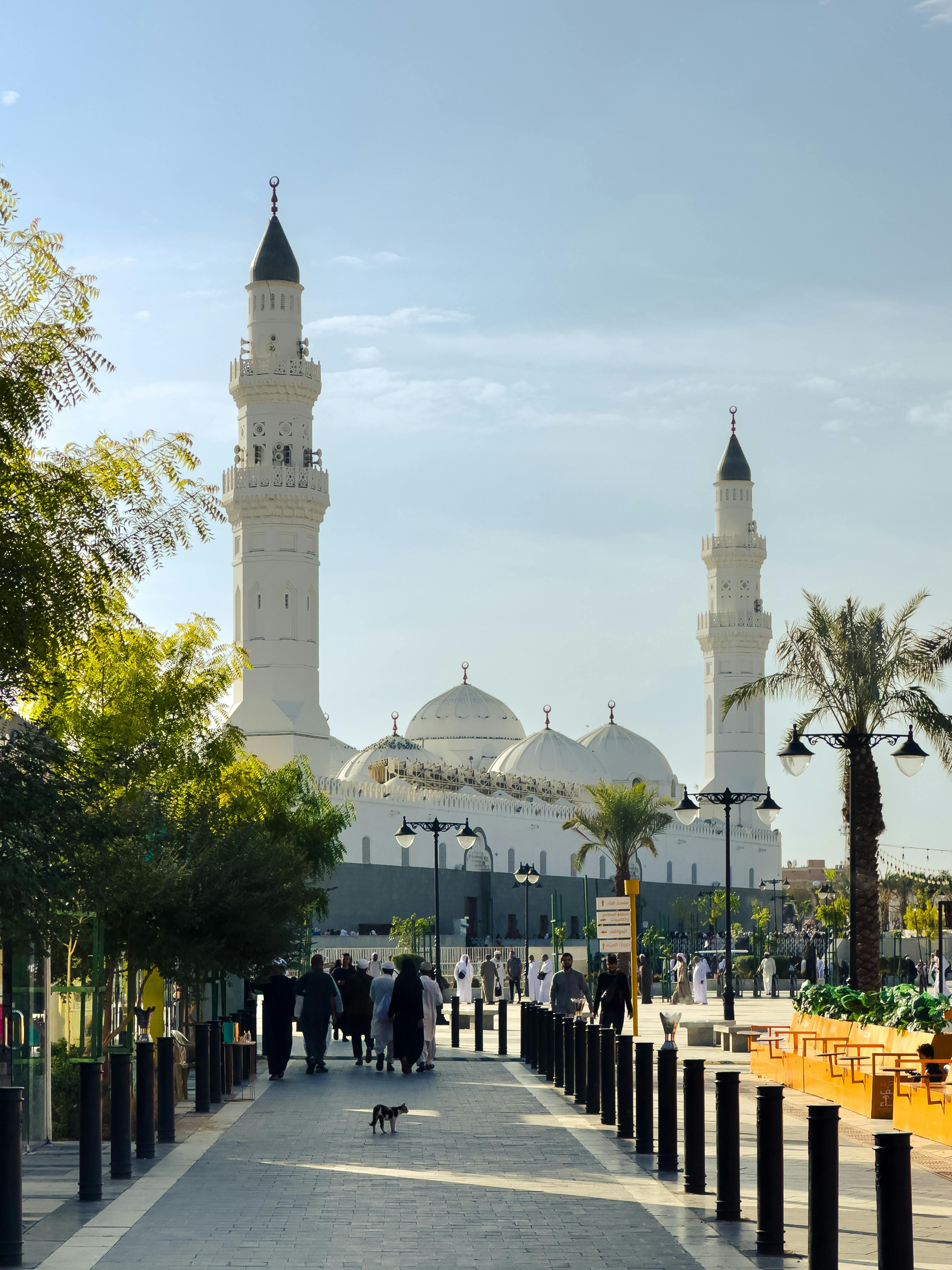
The special virtue associated with Quba is often shortened in casual conversation. The reported teaching refers to purifying oneself at home and then coming to Masjid Quba to pray, with a reward like that of Umrah. It does not replace the Umrah performed in Makkah, and pilgrims should not present it as another completed Umrah. Make wudu before leaving if practical, then pray two rak’ahs without turning the visit into a race.
Quba also gives families a straightforward way to discuss the Hijrah and the beginnings of the Muslim community in Madinah. The point is not simply to photograph the building. Sit for a few minutes, pray and reflect on what it meant for the early Muslims to establish a place of worship after a difficult migration.
How do you get there without losing half a day?
The mosque is approximately 3 kilometres from Al-Masjid an-Nabawi. A taxi or ride-hailing car is usually the simplest option for a family, although local transport may also be available. Confirm the destination before the vehicle moves; similar mosque names and language differences can cause avoidable confusion.
Allow extra time for pick-up after prayer, when many visitors request cars at once. Drivers may not be able to stop directly beside the busiest entrance, so expect a short walk. Take water and sun protection, but avoid carrying food into prayer areas. If Quba is important when choosing where to stay, compare a map rather than relying only on hotel descriptions; accommodation listings on official Makkah hotel booking site can help you judge the actual location.
Quba can be paired with Masjid al-Qiblatayn, provided the group is comfortable and no one needs a long rest. For elderly pilgrims, one mosque followed by a return to the hotel is often the better decision.
3. What should you expect at Mount Uhud?
A place for reflection, not climbing
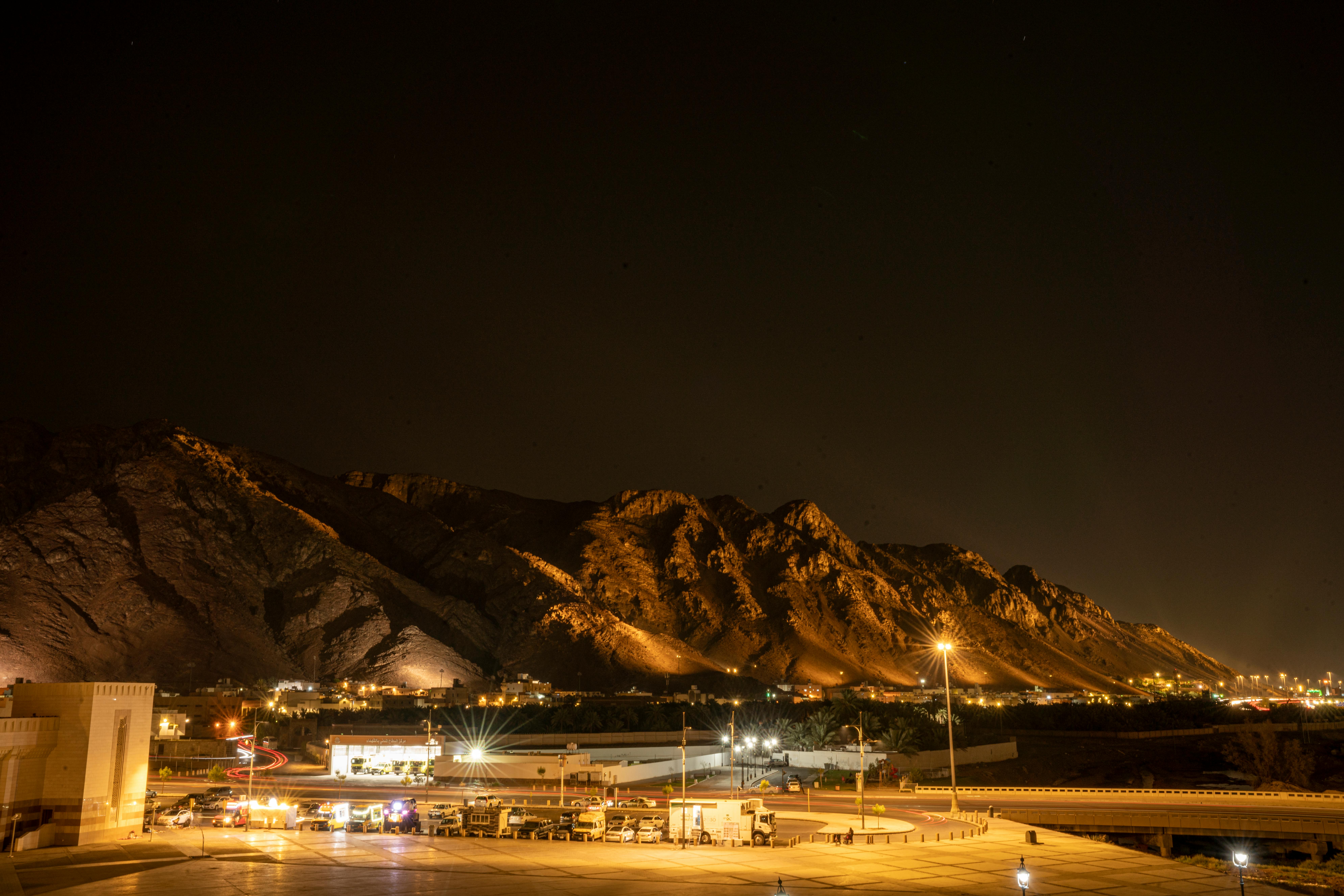
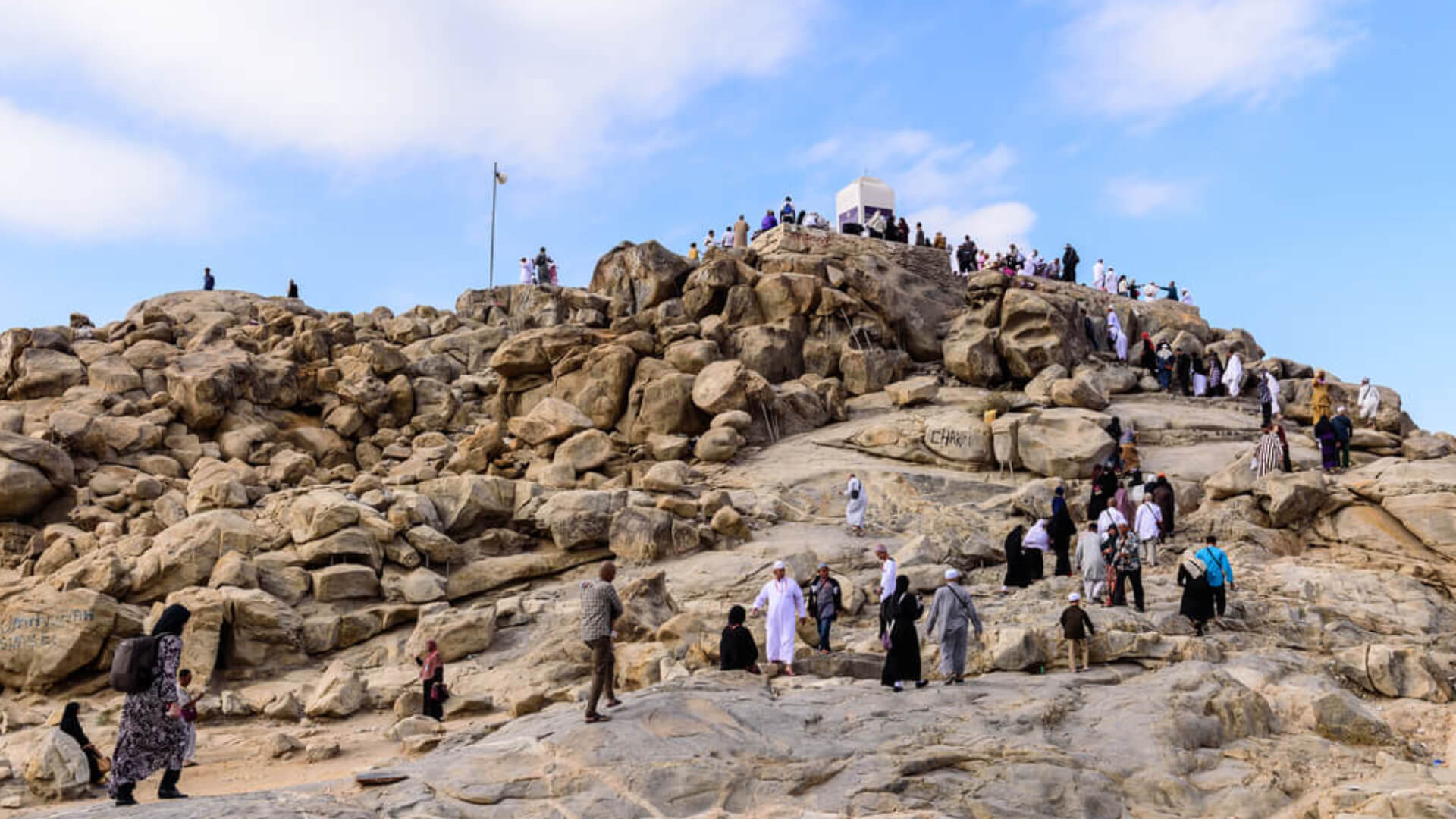
Mount Uhud is linked to the Battle of Uhud, one of the most significant and painful events in the Prophet’s ﷺ life in Madinah. Near the mountain is the burial area associated with more than 70 companions who were martyred, including Hamza ibn Abdul-Muttalib, may Allah be pleased with him.
You do not need to climb the mountain to understand the site. Most organised visits stop near the mosque and martyrs’ area, where the ground can be dusty and uneven. The useful preparation is to read a sound account of the battle beforehand, including the instructions given to the archers and what followed when positions changed. Without that context, visitors may see only a mountain, a busy car park and a crowd of tour groups.
The strongest lesson here is not a dramatic photograph. It is the cost of disobedience, the grief faced by the Muslim community and the patience shown after loss. Give the place the dignity it deserves. Avoid shouting across the cemetery area, filming strangers at prayer or treating barriers as something to climb over.
What should you wear and carry?
Go early if possible. Shade is limited in exposed areas, and the midday heat can make even a short walk difficult for someone who has already spent several days walking in Makkah and Madinah. Wear closed, comfortable shoes with a firm sole. Sandals that slide on marble may also be awkward on gravel and broken ground.
Keep a small bottle of water, but leave shopping bags and unnecessary luggage behind. Wheelchairs can be used around accessible sections, though rough ground may require assistance. If you are in a coach group, note the vehicle number and photograph its parking position; several white coaches parked together are easy to confuse.
A guide can be useful, but listen critically and avoid repeating colourful details unless they come from reliable sources. Mount Uhud does not need embellishment. Its established history is moving enough.
4. Why does Masjid al-Qiblatayn matter?
Understanding the change of qibla
Masjid al-Qiblatayn, commonly called the Mosque of the Two Qiblas, is associated with the command changing the direction of prayer from Jerusalem towards the Kaaba in Makkah. This was a defining point in the formation and identity of the Muslim community.
Some descriptions focus heavily on the idea of two visible mihrabs. The mosque has been altered and renovated over time, so do not arrive expecting the building itself to look exactly as it did at the historic moment. What matters is the event connected with the place: worshippers responding to Allah’s command and turning their prayer towards Makkah.
The visit is usually shorter than Quba or Uhud. Pray if the timing and access allow, read about the event and then move on without forcing a long stop. It fits naturally into the same taxi outing as Quba Mosque, although traffic and prayer-time road controls can change how long the route takes.
Who may prefer to skip it?
If an elderly parent is tired, a child is unwell or the group is in danger of missing a prayer at Al-Masjid an-Nabawi, return to the hotel. Visiting historical mosques is valuable, but it should not come at the cost of health, obligatory worship or family harmony. A shorter Madinah itinerary completed calmly is better than seven hurried stops.
5. Can everyone visit Jannat al-Baqi?
Why this cemetery is held in such reverence
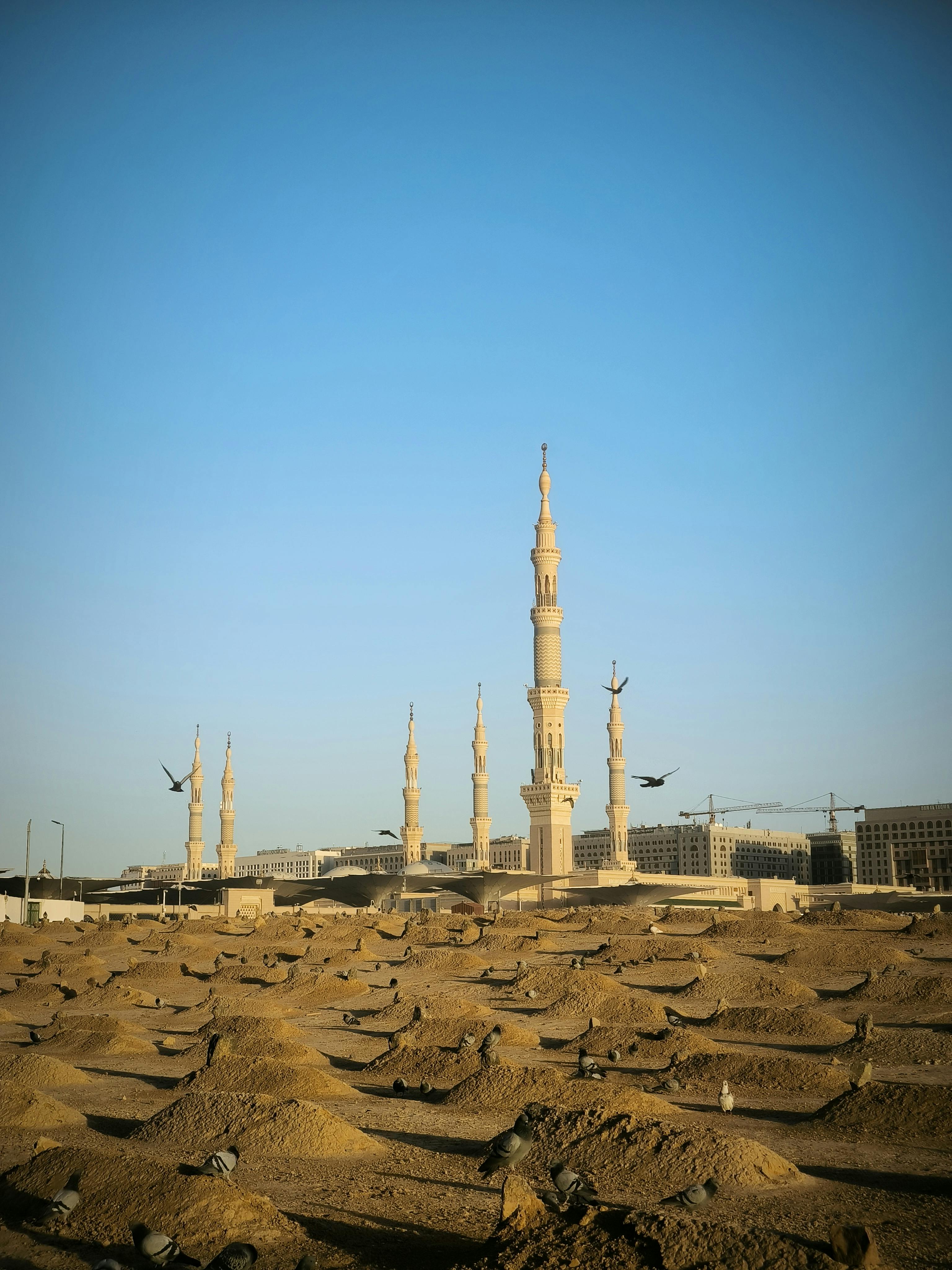
Jannat al-Baqi is beside Al-Masjid an-Nabawi and is the burial place of many members of the Prophet’s ﷺ family, companions and early Muslims. Its plain appearance sometimes surprises first-time visitors. There are no grand monuments to tour; the simplicity is part of what makes the place so sobering.
A visit is an opportunity to remember death, make the prescribed supplication for the deceased and reflect on people who served Islam without seeking worldly display. It is not a place to direct prayers to those in the graves or to perform acts without a sound basis. Keep the etiquette of visiting a Muslim cemetery and follow the instructions of those managing access.
How does access work?
Access is gender-specific: men may be permitted to enter at designated times, while women can offer prayers from outside the cemetery grounds. Policies and opening arrangements can change, so verify them locally rather than building your whole day around an old timetable.
Because Jannat al-Baqi is close to the Prophet’s Mosque, it does not require a separate taxi trip. Even so, “close” can be misleading for someone with limited mobility. The walk through the mosque complex, around barriers and back to the correct women’s or men’s gate can add up. Families should arrange a meeting place before separating.
Photography may be restricted, and in any case a camera should not dominate the visit. Keep your voice low, do not crowd entrances and move when instructed. If access has closed, accept it calmly; arguing with staff will not add benefit to the experience.
6. Is the Madinah Museum useful for pilgrims?
When historical context helps
The Madinah Museum offers exhibits connected with the city’s history and the life of Prophet Muhammad ﷺ. For pilgrims who learn better through maps, models and physical displays, it can make later visits to Quba, Uhud and the central mosque area easier to understand.
This stop is particularly useful for school-age children and adults who have arrived with little background knowledge. It provides a break from outdoor sites, too. After a hot morning, an indoor educational visit can be much more sensible than asking the family to walk through another exposed area.
Opening times, entry arrangements and the exact exhibits available may change. Check before travelling, especially if the museum is the main purpose of your taxi journey. Do not assume that “museum” means every label will be in your preferred language; a translation app or a knowledgeable guide may help.
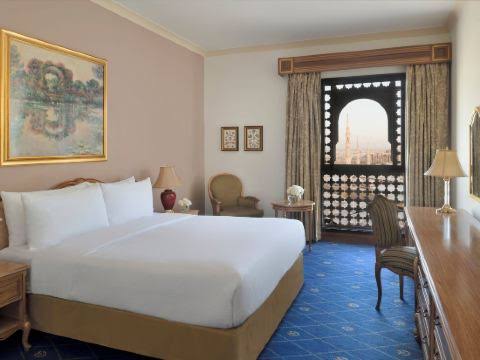
If you are still arranging accommodation, use a map to compare the museum with the Prophet’s Mosque and the other places you intend to visit. Listings through hotels in Makkah are one option, but for most pilgrims the walking route to Al-Masjid an-Nabawi matters more than being close to a museum visited once.
Where does it fit in the day?
An afternoon visit can work after rest and lunch, provided you have checked the opening hours and allowed enough time to return before prayer. Keep the plan flexible. Traffic near the central area may slow down as prayer approaches, and the final walk from a drop-off point can take longer than the drive itself.
Families should set a clear finish time. Museums have a habit of dividing groups: one person reads every panel while another reaches the exit quickly. Agree where to meet if you separate, and keep children within sight rather than assuming the building is small.
7. Is Sayyid al-Shuhada Mosque different from Mount Uhud?
Why the two stops should be combined
Sayyid al-Shuhada Mosque stands near the Mount Uhud and martyrs’ area. It gives visitors a place to pray and reflect on the Battle of Uhud, but it should not be planned as a separate cross-city excursion. The mosque, mountain and nearby historic area belong in one visit.
This overlap is worth understanding because some itineraries make Mount Uhud and Sayyid al-Shuhada sound like two large, unrelated attractions. Pilgrims then expect separate experiences and wonder whether they have missed something. In practice, your driver or guide may use either name when describing the same general outing.
The prayer hall offers a calmer setting than the busy outdoor area. Enter with normal mosque etiquette, keep shoes where instructed and avoid sitting in doorways while waiting for the rest of your group. If a congregational prayer is about to begin, do not push through people simply to keep to a tour schedule.
How long should you allow?
Allow enough time to pray, view the Uhud area and listen to a concise account of the battle. The exact duration depends more on traffic, heat and your group’s mobility than on the physical size of the site. Early morning is generally more comfortable than the middle of the day.
Before leaving, count the group properly. Uhud is one of those places where people drift towards different stalls, parking areas or entrances. Assign one adult to stay with older relatives and another to watch the children. A simple headcount prevents a stressful return journey.
How should you arrange all seven places?
The best places to visit in Madinah for Umrah pilgrims do not require seven separate outings. Keep Al-Masjid an-Nabawi at the centre of the stay. Visit Jannat al-Baqi from the mosque area, combine Quba with Masjid al-Qiblatayn, and treat Mount Uhud and Sayyid al-Shuhada as one trip. The museum can fill an afternoon when the outdoor heat is less inviting.
Do not schedule every spare hour. Madinah is a place where sitting quietly after prayer may be more valuable than reaching another pin on a map. Rest also matters after the physical demands of Makkah travel, especially for anyone who has walked long distances during Umrah.
Dress modestly, carry little and keep your plan flexible around prayers. Confirm live access arrangements locally, as gates, permits and visitor timings can change. Most of all, approach these places with good manners. Their value lies in worship, remembrance and understanding, not in how many photographs you bring home.
Questions pilgrims usually ask
1. What are the seven best places to visit in Madinah for Umrah pilgrims?
They are Al-Masjid an-Nabawi, Quba Mosque, Mount Uhud, Masjid al-Qiblatayn, Jannat al-Baqi, the Madinah Museum and Sayyid al-Shuhada Mosque.
2. Are these visits part of the Umrah rites?
No. Umrah is performed in Makkah. Visiting Madinah and its historical sites is separate, although it is spiritually meaningful and helps pilgrims understand the life of the Prophet ﷺ.
3. What is the easiest way to reach the sites?
Taxis, ride-hailing services, local transport and organised visits are available. For families or elderly pilgrims, a private car is often easier because it reduces waiting and allows an earlier return.
4. When should I visit Mount Uhud?
Early morning is usually most comfortable. The site is exposed, and the heat can make uneven ground tiring later in the day.
5. Can women enter Jannat al-Baqi?
Women may offer prayers from outside the cemetery grounds, while entry is generally designated for men. Confirm current local access arrangements before going.
6. Is there an entry fee for the Madinah Museum?
Entry has generally been free, but fees, opening hours and visitor arrangements can change. Confirm directly before making the journey.
7. How far is Quba Mosque from Al-Masjid an-Nabawi?
Quba Mosque is approximately 3 kilometres away. The drive is short in light traffic, though pick-up and drop-off can take longer around prayer times.
8. What should I wear?
Choose loose, modest clothing suitable for prayer and comfortable walking shoes. Carry a light layer for air-conditioned interiors and sun protection for outdoor areas.
9. Can I find accommodation near the main sites?
Yes. Makkah hotels for Umrah lists hotels in Madinah. Check the map, gate location and realistic walking route rather than judging distance only by the hotel’s description.
10. How many days should I allow?
Three to four days gives most pilgrims enough time to visit the main sites without squeezing them between prayers. Those travelling with children or older relatives may prefer a slower pace.
Useful reading before you travel
Best Hotels in Madinah for Families with Kids
Hotels Near Haram - How to Choose the Right Hotel for Your Umrah
How To Book A Budget Umrah Package Without An Agent — Full Breakdown
Umrah Flights Cancelled? Here is everything you need to plan your Umrah in Ramadhan
Complete Guide for Itikaf in Masjid al haram in makkah and masjid an nabawi in madinah
Check Out Our Packages
If you prefer to arrange hotels and transfers together, compare the itinerary carefully before booking. Check walking distances, vehicle capacity, cancellation terms and how much free time remains for prayer; a sensible package should support the pilgrimage rather than keep you moving all day.
When you’re ready to price a stay, you can compare Madinah hotels near the Prophet’s Mosque and see what fits your dates and budget.
You Might Also Like
Akhil Shariff ✓
Umrah Specialist with 10+ years experience
Akhil Shariff is an Umrah specialist with over 10 years of experience arranging hotels, transfers and ziyarath for pilgrims travelling to Makkah and Madinah. He works with hotel partners on the ground in both cities and reviews every guide against what pilgrims actually report back.
🏆 Verified Expert
Frequently Asked Questions About 7 Best Places to Visit in Madinah for Umrah Pilgrims
- How should I organise my visit to Madinah’s seven places with limited time?
- Start with Al-Masjid an-Nabawi, then pair Quba Mosque with Masjid al-Qiblatayn and combine Mount Uhud with Sayyid al-Shuhada Mosque. Avoid cramming all sites into one day; pacing visits helps elderly and young family members avoid exhaustion and ensures prayers aren’t missed.
- Is it possible for women to enter Jannat al-Baqi cemetery?
- Access for women to enter Jannat al-Baqi is typically restricted to outside the cemetery grounds, though they can pray from nearby. Rules and timings for entry can change, so always check local policies before planning your visit.
- How can I avoid losing group members near the Prophet’s Mosque?
- Agree on a specific meeting point before entering and photograph your gate’s number and a recognizable landmark. The large crowds, separate entrances for men and women, and similar-looking exits make it easy to get separated, especially after busy prayers.
- What should I bring with me when visiting these sites?
- Carry water, sun protection, a small shoe bag, hotel card, and necessary medicines. For elderly or young group members, a wheelchair, folding stick, or stroller can help, but bulky bags or large suitcases make moving through crowds and prayer rows harder for everyone.
- Does visiting Quba Mosque count as another Umrah?
- No, visiting Quba Mosque and praying there brings a reward similar to Umrah but does not replace or count as an actual Umrah. The virtue comes from purifying oneself and praying at Quba, not from completing an additional pilgrimage ritual.
- Is the Madinah Museum useful for families with children?
- Yes, the Madinah Museum helps children and newcomers understand the city’s history through maps and models. It’s a good indoor break from outdoor sites, but check opening hours and don’t expect every exhibit to be in your preferred language.
- Can I visit Mount Uhud without climbing?
- Yes, most visits to Mount Uhud focus on the ground-level sites near the mosque and martyrs’ cemetery, not climbing the mountain. The area is uneven and dusty, so closed, comfortable footwear works best; context from reading about the battle beforehand deepens the visit.
- Is it practical to visit all seven Madinah sites in one day?
- It’s not recommended to visit all seven sites in one day, as this leads to exhaustion and missed prayers for many families. A calm itinerary with one main outing per morning and regular breaks makes the visit more meaningful and manageable for everyone.
Ready to Book Your Umrah Journey?
Compare verified hotels in Makkah and Madinah with guaranteed best prices.
Browse Hotels →