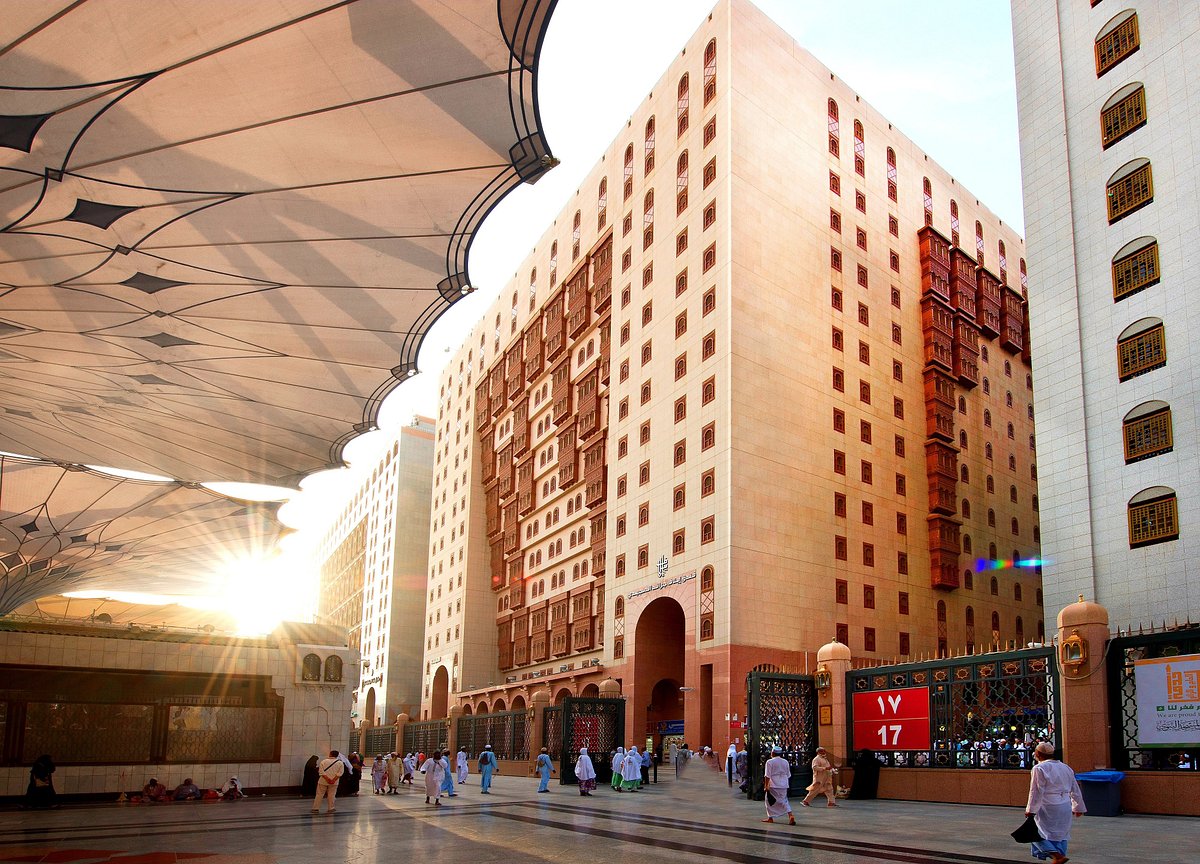
Hotel Near Nabawi Mosque vs Hotels Far Away: Which to Choose?
Hotel Near Nabawi Mosque vs Hotels Far Away — practical, evergreen guidance from our licensed Umrah specialists, written for pilgrims booking hotels in Makkah near Haram and our hotels in Madinah near the Prophet's Mosque. Every claim in this guide is verified against current Saudi Ministry of Hajj guidance and our own operational data from thousands of completed Umrah journeys. If you're planning your trip now, jump to our all-inclusive Umrah packages or read related deep-dives in the section below. Questions? Our WhatsApp team replies in under 30 seconds, 24/7.
Deciding between a Hotel Near Nabawi Mosque vs Hotels Far Away? Read our expert guide comparing costs, convenience, shuttle buses, and practical logistics.
Quick overview
Hotel Near Nabawi Mosque vs Hotels Far Away: quick overview
Deciding between a Hotel Near Nabawi Mosque vs Hotels Far Away? Read our expert guide comparing costs, convenience, shuttle buses, and practical logistics.
- Central hotels are best for short stays and limited mobility.
- Distant hotels save money but need reliable transport.
- Walking routes and lift access matter as much as distance.
- Outer areas offer larger rooms and quieter nights.
- Add transport costs to your total budget before deciding.
- 🛡️ Licensed Travel Agency
- ⭐ 5-Star Rated Service
- 🏆 Best Umrah Service
- ✅ Verified Information
Key Takeaways
- Central hotels are best for short stays and limited mobility.
- Distant hotels save money but need reliable transport.
- Walking routes and lift access matter as much as distance.
- Outer areas offer larger rooms and quieter nights.
- Add transport costs to your total budget before deciding.
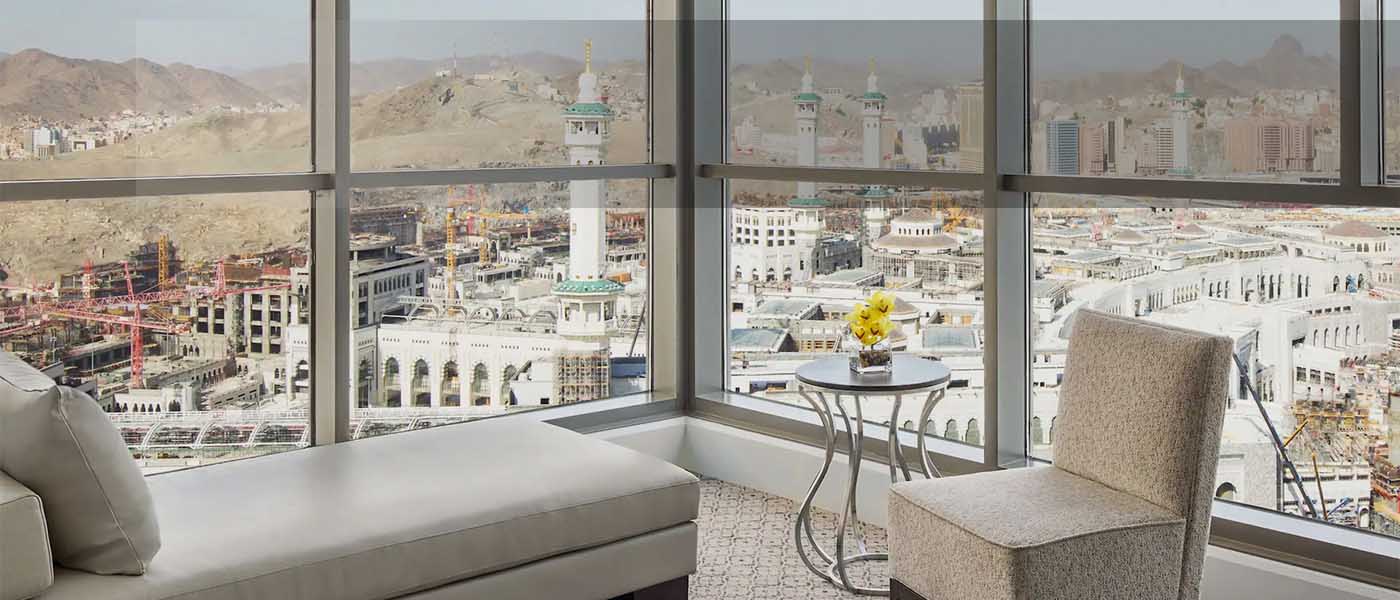
For most elderly pilgrims, families with small children and anyone staying only a few days, a hotel near the Prophet’s Mosque is worth paying more for. If you are fit, staying longer and watching the budget closely, a hotel farther away can work well—but only if its transport is genuinely reliable.
Arriving in Madinah brings a calm that is difficult to describe, but practical problems do not disappear just because the journey is spiritual. The choice between a Hotel Near Nabawi Mosque vs Hotels Far Away will shape every day of your stay: when you wake, how early you leave, whether you can rest between prayers and how much energy you have left by evening.
This is where people often get it wrong. They compare room rates without adding taxi fares, shuttle waiting time or the physical effort of crossing busy roads with a wheelchair, pushchair or tired parent. Equally, some families pay heavily for a central hotel when everyone in the group is fit and would have managed perfectly well a few kilometres out.
After organising Umrah stays for different types of groups, we usually begin with three questions: Who is travelling? How many days will you be in Madinah? Can everyone manage repeated walking and waiting? Once those answers are honest, the decision becomes much simpler.
Will a nearby hotel make your days noticeably easier?
Usually, yes. A central hotel does not merely save a few minutes on a map. It allows you to move according to your own needs rather than a bus timetable, which matters when your day revolves around five prayers, meals, rest and visits.
What does “walking distance” actually feel like?
A short, flat walk sounds ordinary until you repeat it several times a day. From a genuinely close hotel, you can leave the lobby and reach the mosque courtyard within minutes. You can also return after prayer, freshen up, collect medicine, change a child or leave shopping bags in the room instead of carrying them all afternoon.
Do not judge distance from the hotel description alone. Check the walking route and the entrance you will use. A property may look close on a map while its lobby sits on the opposite side of a large building, adding lifts, corridors and a longer outdoor walk. Even a 400-metre route feels different with a pushchair, in a crowd, or when an older relative needs to stop twice.
Are you travelling with parents, children or a wheelchair user?
For a multi-generational family, proximity is often a necessity rather than a treat. Central properties generally give easier access to the flat, paved plaza, ramps and established wheelchair routes. The short return to the room also makes children’s naps and meal times far easier to manage.
There is one detail families overlook: the hotel lift. A tower may be beside the mosque, yet the lift queue after prayer can be frustrating. Ask about lift access, room location and whether a folded pushchair or wheelchair will fit comfortably. Keep a light bag ready with water, a small snack, medicines, tissues and a spare layer for the child. Taking the whole day’s luggage to the mosque only makes the walk harder.
How much time do you save around Fajr and Isha?
The periods before Fajr and Isha are particularly busy. From a nearby hotel, some pilgrims leave around fifteen minutes before the call to prayer, although that does not guarantee a preferred place during crowded periods. From an outer district, you may need to start up to an hour earlier to allow for the shuttle, traffic, parking and the walk from the drop-off point.
The bigger benefit comes afterwards. A nearby guest can walk back independently. A shuttle passenger must locate the pickup area, join the correct queue and wait until departure. After Friday prayer, that wait may be much longer than expected.
Which mosque gate will your family use?
The Prophet’s Mosque has different entrances used by men and women, so “close to the mosque” is not specific enough. A hotel facing the useful side can save a considerable walk across the plaza. Before booking, identify the likely gates for both male and female family members and agree on a clear meeting point.
We advise families not to say, “Meet near the main gate.” In a large crowd, that instruction is too vague. Choose a numbered gate, a recognisable hotel entrance or another fixed landmark, and make sure everyone has the hotel name saved on their phone and written on a card.
When does staying farther away make better sense?
Central hotels are convenient, but the premium can be substantial. If paying it shortens your stay or puts pressure on the whole Umrah budget, an outer hotel deserves serious consideration.
How much can an outer hotel save?
Properties three to five kilometres away can cost half, and sometimes even a third, of comparable central accommodation. For a family booking several rooms, that difference can fund a longer stay, flights or other parts of the journey. Over ten days or two weeks, nightly savings add up quickly.
Compare like with like. Check whether breakfast, taxes, shuttle transport and family bedding are included. A cheap room that requires several paid taxi journeys each day may not remain cheap.
Can you depend on the hotel shuttle?
Many distant hotels provide complimentary buses timed around prayers. The good ones run to a clear schedule, but “shuttle available” tells you very little. Ask how often it runs, where it drops passengers, whether seats are guaranteed and what happens after Friday prayer.
At busy times, waits can stretch to thirty minutes. Queues are not always orderly, and a family split between two buses can create unnecessary worry. Arrive at the pickup point early, keep the group together and let one adult handle boarding while another watches children and bags. If an elderly traveller cannot stand for long, confirm whether there is seating at both pickup points.
Would you sleep better outside the Central Area?
The streets around the mosque remain active day and night, with pedestrians, shops, taxis and delivery traffic. Some pilgrims enjoy that atmosphere. Others sleep far better in a residential district where the surroundings are quieter.
Do check the room itself, not only the neighbourhood. A distant hotel beside a busy road or lift shaft can still be noisy, while a central room on a higher floor may be peaceful. Light sleepers should request a room away from lifts and service areas, though requests are never guaranteed.
Do you need more room than a central hotel offers?
Land outside the central ring is less expensive, and outer properties often have larger rooms. The cost of a standard double room near the mosque may secure a two-bedroom apartment farther away. That extra space matters when several suitcases, prayer clothes, food and children are all sharing one base.
For families staying longer, look for a fridge, washing facilities and enough bathrooms as well as floor area. A large sitting room is less useful if six people are queueing for one bathroom before Fajr.
What is the real cost after transport and lost time?
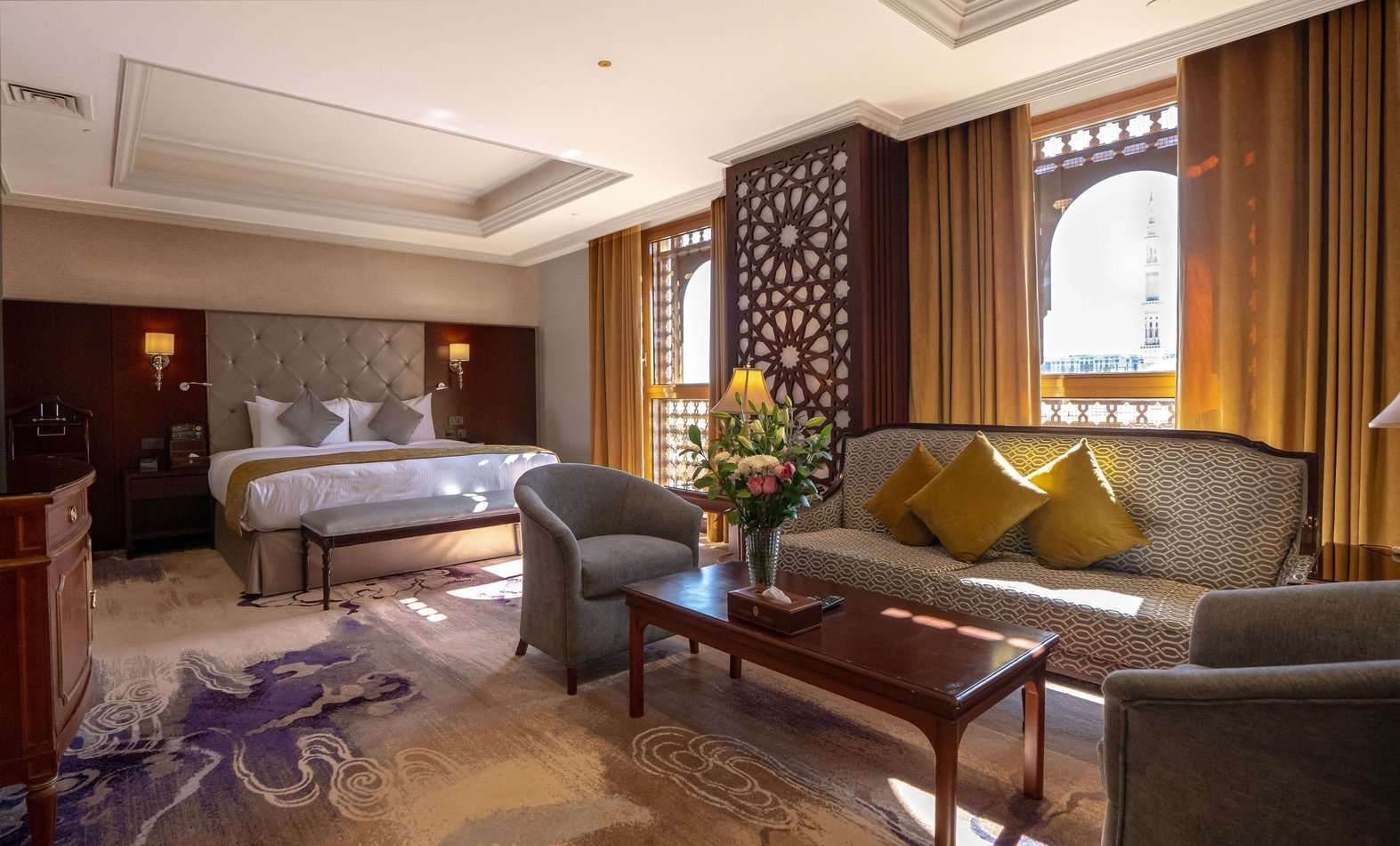
The fairest comparison is not room against room. It is the total cost and effort of the stay.
Premium central properties such as The Oberoi Madina or the Pullman Zamzam charge higher rates because of their location, dining and level of service. The practical advantage is immediate: little or no road transport, quick access to the plaza and the freedom to return to the room between prayers.
A budget hotel in Al Awali reduces the nightly bill, but time becomes part of the price. Waiting for buses, finding taxis and moving through traffic can take an hour from the day. If you travel back and forth for all five prayers, transit can consume up to three hours. Many guests therefore stay near the mosque between some prayers rather than returning to the hotel each time.
During Ramadan and other busy periods, taxis from outer districts can cost considerably more. Add your likely daily transport expense to the room bill before deciding. Then add a small contingency for a missed shuttle, a sick child or a late return. These are normal travel realities, not failures of planning.
If the central premium is affordable without strain, it usually buys valuable rest. If it is not, a distant hotel remains entirely workable—but your group must accept a more disciplined timetable.
Which location suits your particular group?
Choose near the mosque if these points sound familiar
- You are travelling with grandparents, wheelchair users or anyone who tires quickly.
- You have babies or toddlers and expect to return for naps, feeding or changes.
- Your Madinah stay is only three or four days, so time matters more than room size.
- You want to attend prayers without organising every movement around a bus.
- The higher rate will not put uncomfortable pressure on the wider Umrah budget.
For a short visit, proximity is particularly valuable. Being able to reach the courtyard in a few minutes leaves more time for worship and rest. Just remember that “two minutes away” may refer to the building boundary, not the journey from your room, through the lift lobby and to the appropriate gate.
Choose farther away if these points sound familiar
- You are travelling alone or with fit adults who can cope with walking and waiting.
- You plan to stay ten days or more and nightly savings are significant.
- The hotel has a frequent shuttle with a clearly confirmed timetable.
- You prefer larger family accommodation or want simple cooking facilities.
- You value a quieter residential setting more than immediate mosque access.
Outer areas also give you easier access to neighbourhood markets and local restaurants. The rhythm feels less visitor-focused, which some long-stay pilgrims prefer. The trade-off is that spontaneous trips to the mosque become harder; you will usually plan your day in blocks.
How will the location affect food and shopping?
Central hotels commonly offer large international buffets, which are convenient but usually more expensive than neighbourhood food. The Central Area also gives quick access to supermarkets such as Bin Dawood, where pilgrims buy water, dates, snacks and gifts.
That convenience can lead to another common mistake: carrying too much. Buy heavy items shortly before returning to the hotel, not before a long mosque visit. A small wheeled case may seem useful for shopping but becomes awkward in crowds and lift queues.
Farther out, local eateries are generally better priced and can provide excellent local food. Smaller grocery shops may not stock the same range of imported products, but they usually cover daily needs. If anyone has allergies or a restricted diet, identify suitable shops before arrival and pack essential snacks rather than assuming a particular brand will be available.
So, which hotel should you book?
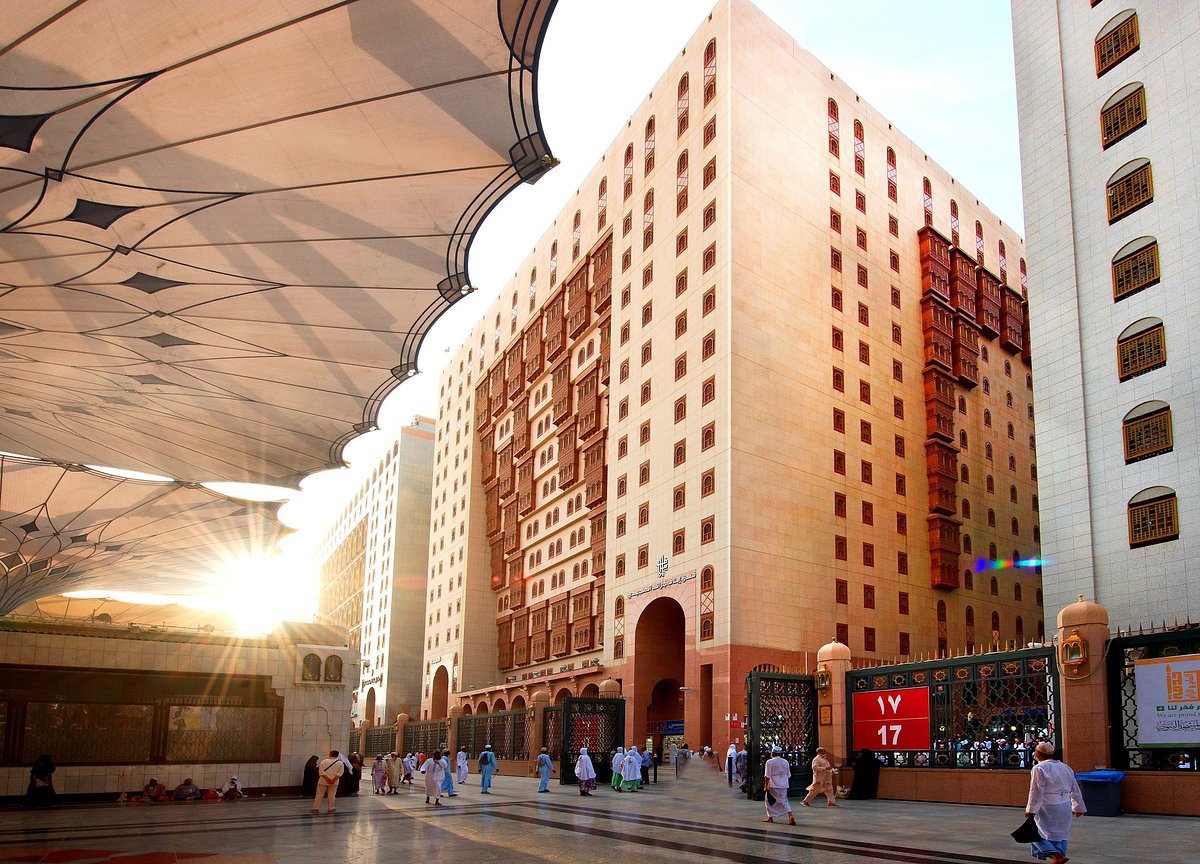
Choose a nearby hotel if mobility, a short stay or easy access to the mosque is the priority. Choose farther away if your group is fit, the stay is longer and the saving remains worthwhile after transport. Neither choice is automatically better.
Before paying, verify the walking route, useful mosque gate, shuttle timetable, room capacity and lift access. Do not rely only on a distance shown in metres. For one booking enquiry and location comparison, HotelsInMakkah.com can help, but whichever platform you use, get the important details in writing.
Questions pilgrims ask before booking
1. How reliable are hotel shuttles from outer districts?
Reputable hotels generally follow strict schedules around prayer times, but reliability varies. Check recent guest comments about frequency, crowding and the pickup location. Friday prayer traffic can delay even a well-run service.
2. Is it safe to walk from an outer hotel at night?
Madinah is considered exceptionally safe at all hours. The greater concern is fatigue, route quality and crossing roads. After Isha, a taxi may be more sensible than a long walk, especially with children or older relatives.
3. Can taxis cost more during busy periods?
Yes. Standard periods may bring metered or commonly understood fares, while Ramadan demand can push prices up. With a private taxi, agree the fare before getting in and confirm whether it covers the whole group and all luggage.
4. Will we find halal food in outer neighbourhoods?
Yes. Food served in Madinah is halal, and residential areas have many well-priced local restaurants. Choice may be less international than in central hotel buffets, so plan ahead for allergies or very specific diets.
5. Are outer hotels suitable for wheelchair users?
The hotel may have lifts and an accessible entrance, but nearby pavements can lack dropped kerbs or smooth routes. Ask for photographs of the entrance and shuttle boarding point. For dependable, flat access, the central plaza area is usually the safer choice.
6. Do distant hotels have family suites?
Yes, and they are often larger than central rooms. Multi-room apartments can suit big families, but confirm the number of proper beds. A sofa or temporary mattress is not the same as a full bed for a long stay.
7. Can a Ziyarah tour collect us from an outer hotel?
Most operators collect guests from registered hotels across the city. Confirm the pickup when booking and be in the lobby early. Central hotels may have tour desks, but staying centrally is not required for a tour.
8. How early should accommodation be booked?
Aim to secure rooms at least three to four months ahead, particularly for busy periods or when you need adjoining rooms, accessible facilities or a particular side of the mosque. Those requirements disappear before ordinary rooms do.
9. Is the Central Area really much noisier?
It can be. Foot traffic and vehicles continue for long hours, while residential districts are generally calmer. Room direction, glazing, floor level and proximity to the lift can matter as much as the district itself.
10. How do we check whether a price is fair?
Compare the final payable amount, not the headline rate. Include taxes, meals, extra beds, cancellation terms and transport. A transparent booking platform should show these clearly; if a shuttle or room feature matters, ask for written confirmation.
Also Read This
First-Time Visitor's Guide to Finding the Best Hotel Near Nabawi Mosque
Walking Distance Hotel Near Nabawi Mosque: Everything You Need to Know
How to Save Money on Umrah Journey
Hotel Near Nabawi Mosque
How to Choose the Right Hotel Near Nabawi Mosque for Your Stay
When you’re ready to price a stay, you can compare Madinah hotels near the Prophet’s Mosque and see what fits your dates and budget.
You Might Also Like
Akhil Shariff ✓
Umrah Specialist with 10+ years experience
Akhil Shariff is an Umrah specialist with over 10 years of experience arranging hotels, transfers and ziyarath for pilgrims travelling to Makkah and Madinah. He works with hotel partners on the ground in both cities and reviews every guide against what pilgrims actually report back.
🏆 Verified Expert
Frequently Asked Questions About Hotel Near Nabawi Mosque vs Hotels Far Away
- Is it worth paying more for a hotel right next to the Prophet’s Mosque?
- For elderly travelers, families with children, or a short visit, paying more for a central hotel is usually worth it for the convenience. It means less walking, easy returns to your room, and less dependence on shuttles or taxis, especially around prayer times.
- How reliable are hotel shuttle buses from farther hotels?
- Shuttle reliability varies by hotel; some keep strict timetables while others are less predictable. Buses may be crowded before and after prayers, and long waits or split groups can happen, especially after Friday prayer or during busy periods. Always check the exact shuttle schedule and recent guest feedback.
- How do I know if a hotel is truly walking distance from the mosque?
- Don’t trust the map alone; walking distance depends on the actual hotel entrance, walking route, crowds, and road crossings. Even a 400-metre walk can feel long with pushchairs, wheelchairs, or elderly relatives. Check reviews, satellite maps, and confirm which mosque gate is closest.
- Do distant hotels really save enough money to outweigh the extra travel?
- Hotels farther out can cost half or a third of central rooms, especially for longer stays or multiple rooms. But savings can disappear if you add up taxi fares, shuttle delays, and lost time. Always calculate all transport costs and factor them into your decision.
- Is staying farther from the mosque suitable for families with small children or elderly parents?
- No, it’s usually not ideal for groups with limited mobility. Central hotels make it much easier to return for naps, meals, or emergencies. Distant hotels typically mean more time waiting, walking, and dealing with shuttles, which can tire everyone quickly.
- Are the central hotels noisier at night compared to those farther away?
- Central hotels can be busier with street noise and crowds, but some rooms on higher floors are quieter. Residential districts farther from the mosque are generally calmer at night; however, room location within any hotel makes a big difference. Request away-from-lift rooms for less disturbance.
- What should I check before booking an outer hotel?
- Check the shuttle timetable, drop-off location, access for wheelchairs or pushchairs, and confirm room capacity and nearby shops. Ask for photos of the entrance and access routes. Also compare whether breakfast, taxes, and family bedding are included to make a fair comparison with central hotels.
- Will we easily find halal food if staying outside the Central Area?
- Yes, all food in Madinah is halal, and outer areas have many local restaurants at good prices. Options may be less international than hotel buffets or central supermarkets. If someone has allergies or a strict diet, plan ahead and bring essential snacks, as local shops may have limited imported products.
Ready to Book Your Umrah Journey?
Compare verified hotels in Makkah and Madinah with guaranteed best prices.
Browse Hotels →