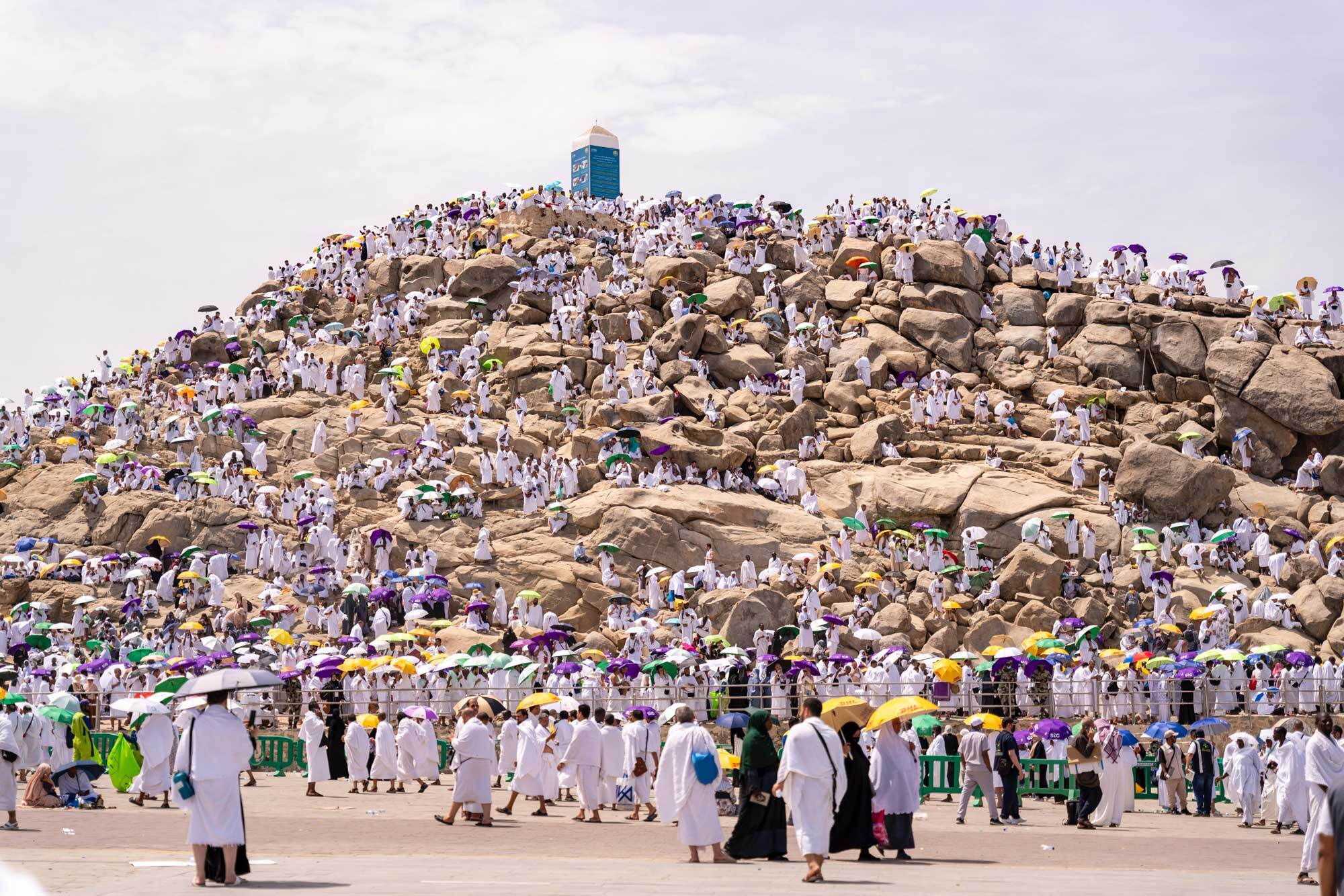
Must Visit Ziyaraath Places In Makkah in 2026
Must Visit Ziyaraath Places In Makkah in 2026 — practical, evergreen guidance from our licensed Umrah specialists, written for pilgrims booking hotels in Makkah near Haram and hotels in Madinah near the Prophet's Mosque. Every claim in this guide is verified against current Saudi Ministry of Hajj guidance and our own operational data from thousands of completed Umrah journeys. If you're planning your trip now, jump to our all-inclusive Umrah packages or read related deep-dives in the section below. Questions? Our WhatsApp team replies in under 30 seconds, 24/7.
Exploring the Must Visit Ziyaraath Places In Makkah in 2026 enriches your Umrah with spiritual depth, connecting you to the sacred history of Islam. Makkah’s Ziyaraath sites, revered for their significance, draw millions annually, per 2025 Ministry of Hajj and Umrah data.
Quick overview
Must Visit Ziyaraath Places In Makkah in 2026: quick overview
Exploring the Must Visit Ziyaraath Places In Makkah in 2026 enriches your Umrah with spiritual depth, connecting you to the sacred history of Islam. Makkah’s Ziyaraath sites, revered for their significance, draw millions annually, per 2025 Ministry of Hajj and Umrah data.
- Mina represents unity and spiritual discipline.
- Muzdalifah is ideal for quiet reflection and simplicity.
- Jabal Rahmah symbolizes mercy and fresh starts.
- Arafah is central for worship and introspection.
- Jannat al-Mu‘alla connects you with the early pioneers of Islam.
- 🛡️ Licensed Travel Agency
- ⭐ 5-Star Rated Service
- 🏆 Best Umrah Service
- ✅ Verified Information
Key Takeaways
- Mina represents unity and spiritual discipline.
- Muzdalifah is ideal for quiet reflection and simplicity.
- Jabal Rahmah symbolizes mercy and fresh starts.
- Arafah is central for worship and introspection.
- Jannat al-Mu‘alla connects you with the early pioneers of Islam.
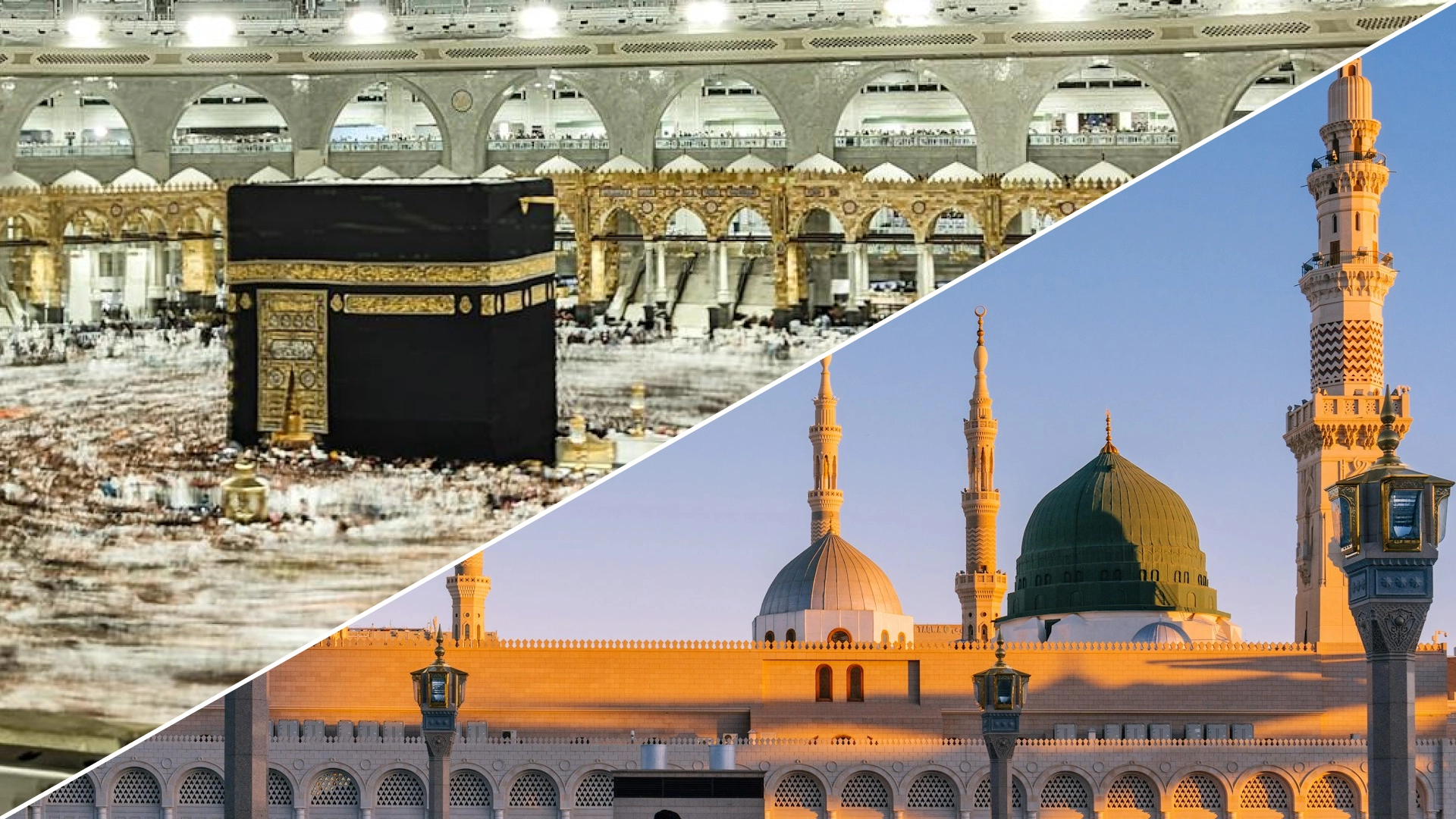
If you’re planning Umrah, knowing which ziyaraath (historical and religious sites) in Makkah are genuinely worth visiting can transform your trip. It’s not just about ticking places off a list — a thoughtful ziyaraath route brings the stories, sacrifices, and lessons of Islam alive for big families, solo pilgrims, and everyone in between.
After organising trips for many groups over the years, I'd say the following seven Makkah sites are the most meaningful stops for ziyaraath. Many are well known, but the details really matter — especially accessibility, crowd levels, and the emotional weight of each location. I’ll share what to expect, practical tips, and where people sometimes misjudge the experience.
Try to fit several of these into your visit, leaving some hours free afterward just to reflect — these aren’t “in and out” sightseeing. You don’t need to book a package to access most of these, but do coordinate ground transport in advance at busy times. For official advice, see Visit Saudi recommendations.
Mina: Is It Worth Visiting Outside Hajj?
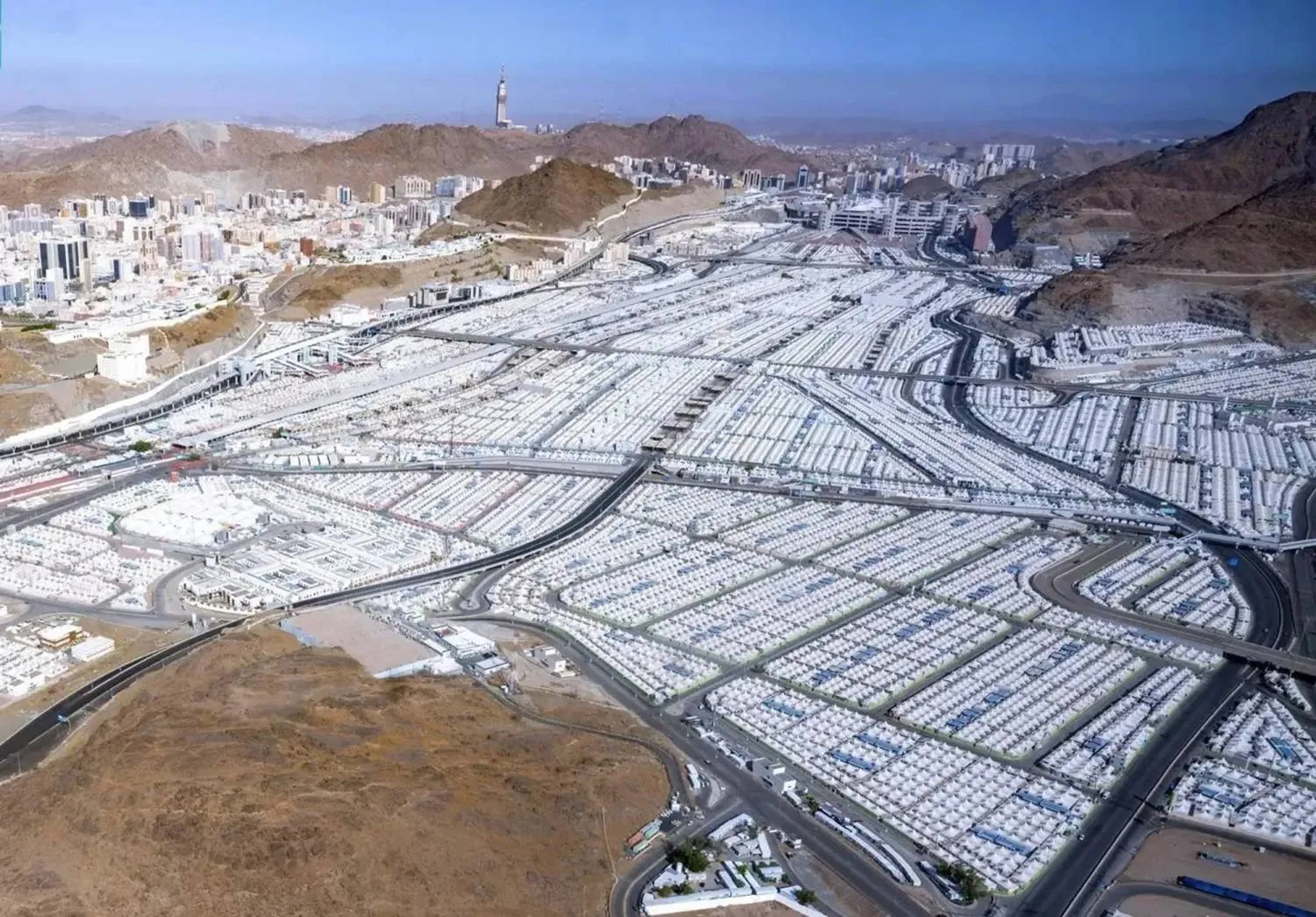
Mina is a sprawling tented valley just east of Makkah. Most people know it from television pictures during Hajj, when it’s transformed into a city of white tents for millions. Outside of those days, it’s a very different experience: stripped down, almost quiet, but still packed with spiritual meaning.
The journey from central Makkah usually takes less than 30 minutes by car if you go early. When you arrive, the sheer scale of the tent city — rows upon rows, all identical — delivers a strong message of equality. During Hajj, it’s truly shoulder-to-shoulder, but at other times you can walk the paths without pressing crowds; it’s a good place for quiet thought or to show children something of the Ummah’s unity.
Adults tend to reflect here on resisting life’s temptations, given that this is the symbolic setting for the stoning of Shaytan. But here's where people sometimes go wrong: Mina isn’t a place for sightseeing photos. Dress simply, bring closed-toe shoes (the gravel gets everywhere), and don’t expect amenities. You may find a few basic toilets, but nothing more if it isn’t Hajj season. Bring water and a snack if you plan to stay for reflection — there’s rarely any shade.
Should We Stop at Muzdalifah? What Happens There on a Regular Day?
Muzdalifah sits between Mina and Arafah and is famous for the overnight stop during Hajj — sleeping beneath the sky, collecting pebbles, praying long rak‘ahs. If you visit at any other time, you’ll find an expansive open plain, breezy and still. For many, visiting here is a moment to slow right down, especially after the bustle of Makkah itself.
There’s a beautiful simplicity to Muzdalifah. Out of Hajj season, you might find it nearly empty. The absence of structures means there’s nowhere to sit except the earth — something older pilgrims or anyone with mobility issues should note. If you want to illustrate the spirit of surrender to children or first-timers, this is the place. No grandeur, only openness and the call to humility.
It’s best to visit in the early morning or late afternoon to avoid the harsh heat. There’s limited shelter and no toilets — plan accordingly. We usually tell groups to bring mats or a lightweight shawl to sit on. Collect a pebble or two to remember the purpose behind coming here: preparation to conquer your own weaknesses, not just following a ritual.
What Should I Know Before Climbing Jabal Rahmah?
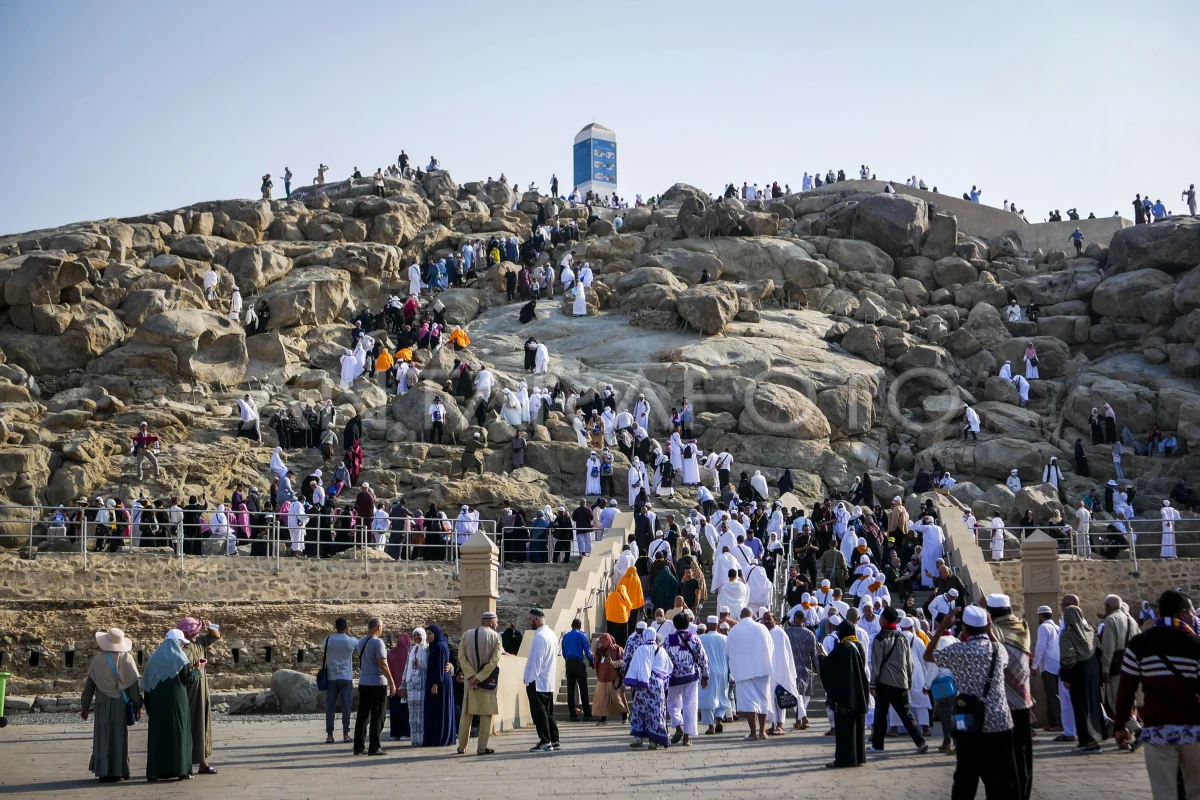
Jabal Rahmah, the Mount of Mercy, rises gently from the plain of Arafah. This is the site where, according to tradition, Prophet Adam (AS) and Hawa (AS) were reunited and forgiven — so it’s an emotional stop, especially for anyone seeking their own reconciliation with Allah.
The ascent isn’t a mountaineering challenge, but you should still plan carefully. It’s a set of wide, steepish concrete steps, and on especially hot days or crowded visits, the climb can feel harder than it looks — especially for older pilgrims or anyone with knee pain. We always recommend sturdy footwear and bringing a refillable bottle of water (not single-use plastic), as vendors sometimes run out during peak periods.
At the summit, most people pause here for du'a. Sometimes the crowd gets caught up in writing names or inscriptions on the monument at the top; best to avoid that, focus on your own prayers, and give others space. Heading down is slower than going up. With children, keep them close as the steps can be slippery after rain.
How Do I Get the Most Out of a Visit to Arafah?
The plain of Arafah is the pulse of the Hajj rites and remains deeply evocative all year. This is where the Prophet Muhammad (صلى الله عليه وسلم) gave his Farewell Sermon, and every pilgrim should stand here even if it’s not Hajj season.
Outside those days, Arafah is peaceful, almost empty. The vastness is humbling. Set aside time to stand quietly and make duʿa, especially if you need a moment of honest self-reflection or renewal. Whether you arrive by booked coach or private car, traffic isn’t usually a problem if you avoid the main pilgrimage timings.
A caveat: there aren’t many facilities here outside of Hajj — basic toilets, maybe a makeshift stall selling drinks but little else. Sun hats, SPF, and plenty of water are crucial. People sometimes underestimate the heat, especially if they’re not used to deserts. Don’t rush; this isn’t a selfie stop. Take your time, and let the lessons of judgement and mercy settle in.
What Makes Masjid Namirah Special to Visit?
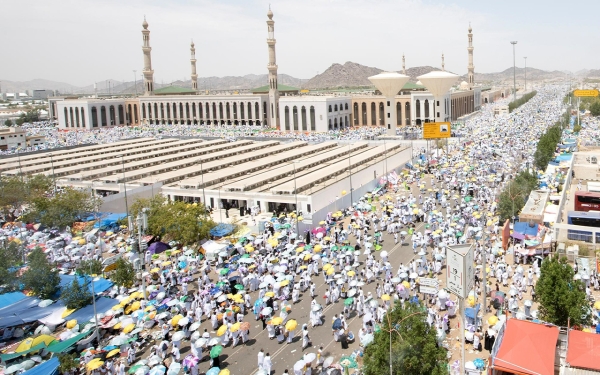
Masjid Namirah sits on the edge of Arafah and marks the spot where the Prophet (صلى الله عليه وسلم) delivered his final sermon. While it’s packed to bursting on 9th Dhul Hijjah, the rest of the year you can actually stand, look around, and imagine that sermon echoing across the plain.
The architecture is modern but the atmosphere is devotional. In my experience, it’s especially moving for people reflecting on the Prophet’s message about human dignity, justice, and the welfare of all. Groups sometimes arrange to read the text of the sermon aloud; this gives context and can be a meaningful addition for children joining you.
If you go during non-prayer times, it’s usually quiet. Shoes should be left at the racks before entering, and modest dress is a must. There’s usually some covered outdoor space for resting, but don’t count on finding refreshments inside.
Is Climbing Jabal al-Noor Realistic for All Pilgrims?
Jabal al-Noor, or the Mountain of Light, houses the Cave of Hira where the first Qur’anic revelations came. Many people want to climb it — and it’s a test of both physical stamina and patience. From experience, this is where people often misjudge what’s involved. The climb can take anything from 45 minutes to more than an hour one way, depending on your fitness (and on crowd levels — on busy days, the narrow steps get jammed).
You’ll need solid shoes with grip, a water bottle, and ideally a torch if you start before Fajr (which many do, to beat the sun). There’s no official handrail, and the last part into the cave is a squeeze — not suited for toddlers or those needing walking aids. I always tell elderly pilgrims to weigh their energy; for some, viewing the mountain from its foot and reflecting on the Prophet’s (صلى الله عليه وسلم) time in solitude is enough.
At the top, the view across Makkah is extraordinary. It’s less about the photos and more about appreciating the humility and clarity the Prophet showed in that cave. Don’t expect vendors or rest stations once you’re on the mountain proper. Bring all you need — and take your litter down with you.
Why Visit Jannat al-Mu‘alla? Is It Accessible?
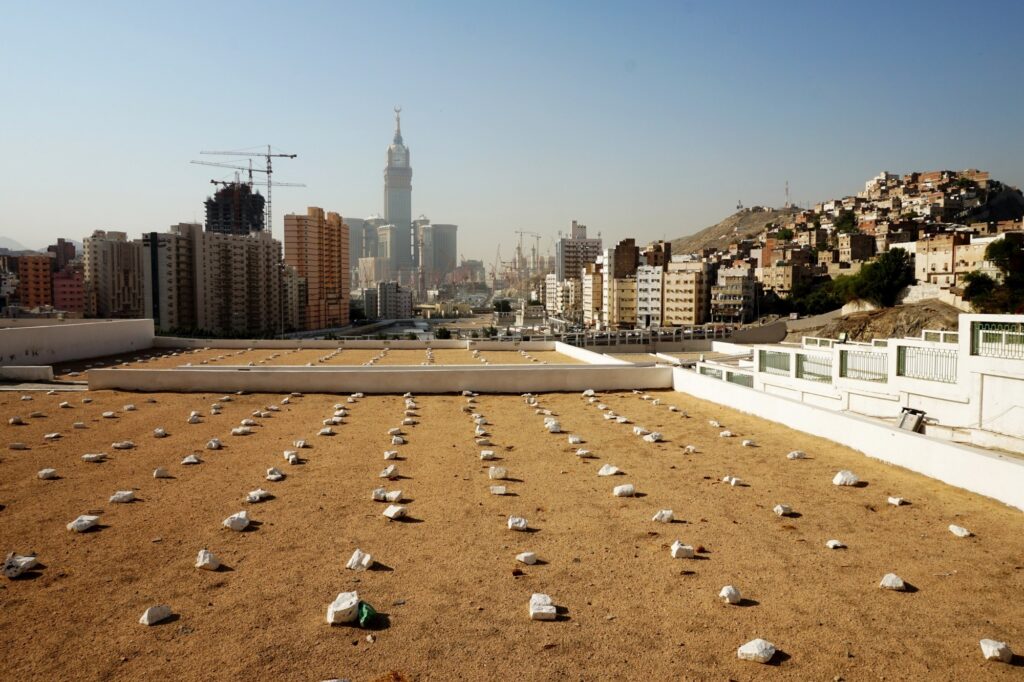
Jannat al-Mu‘alla, sometimes called the Ma‘la cemetery, is a resting place for many of the Prophet’s (صلى الله عليه وسلم) close relatives and early companions. For those interested in Islamic history — and for anyone wanting to meditate on legacy and humility — it’s a humbling, essential stop.
The cemetery is easy to reach by taxi from anywhere in Makkah. Women and men can both visit the outside (the inner enclosure may be restricted except to burial staff). The graves themselves are unmarked and simple, marked only by stones; bring children here to show the value placed on humility, not grand monuments.
Etiquette matters deeply: keep conversation low, dress modestly, don’t take photos or get too close to the fence. People often forget this isn’t a tourist site but a place for du'a and remembrance. Bring a small prayer book and enough patience for quiet contemplation.
How Can We Arrange Transport and Accommodation for Ziyaraath?
Visiting these sites in one go is possible if you have your own van or hire a private vehicle, but we recommend spreading your itinerary across several days — especially if you’re travelling with children or older adults. Most families I’ve helped prefer a hired van with a driver who knows the roads and prayer timings. Driving yourself, navigation (and parking) around the crowded sites can be stressful. If you need reliable city or airport transfers, you can coordinate with hotels in Makkah, which offers flexible car or bus services with drivers who speak multiple languages including English, Urdu, and Arabic. It saves plenty of hassle especially after long flights or during Ramadan nights.
Standard itineraries cover pick-ups from Jeddah or Madinah airports to your hotel, and intercity tours between Makkah and Madinah. Double check timing details and be sure to confirm with your driver 12-24 hours ahead; drivers usually call about 30 minutes after your flight lands to arrange the meet point. Time your ziyaraath trips to avoid midday heat and factor in prayer breaks — drivers there understand and accommodate.
For accommodation, most pilgrims look for hotels near the Haram for convenience and ease, especially for multiple daily prayers and tired children. You can compare Makkah and Madinah hotels through HotelsInMakkah.com if you want single-site booking with verified options and 24/7 support.
Why Do Repeat Pilgrims Use HotelsInMakkah.com?
People I’ve met who return to Makkah, especially from the UK and subcontinent, often prefer Makkah hotels near Haram for a few practical reasons:
- Genuine hotels near Haram: The site shows real distance and availability for widely sought hotels, from the Clock Towers to Anjum, so you’ll have an accurate sense of how far you’ll walk (even 400m can feel far late at night with children or bags).
- Straightforward pricing and support: Multi-currency payments are possible, and the booking process is easy even for those less confident using online platforms. There’s reliable customer support if plans change.
- Competitive rates: Rates are generally among the lower ones available for major hotels, and sometimes include cancellation flexibility.
Booking is generally simple: select Makkah hotels or Madinah hotels, enter your prayer and travel timings, and complete payment securely. Many appreciate the ability to see verified reviews and ratings before choosing.
To make your travel logistics smoother, I recommend reading: 7 Pro Tips for Booking Ground Transfers and Airport Transfers for Your Umrah, which covers the most common issues first timers face — from missed connections to luggage tips.
Plan well, but leave room in your schedule for reflection. May your ziyaraath in Makkah be accepted and bring you lasting benefit.
You Might Also Like
Akhil Shariff ✓
Umrah Specialist with 10+ years experience
Akhil Shariff is an Umrah specialist with over 10 years of experience arranging hotels, transfers and ziyarath for pilgrims travelling to Makkah and Madinah. He works with hotel partners on the ground in both cities and reviews every guide against what pilgrims actually report back.
🏆 Verified Expert
Frequently Asked Questions About Must Visit Ziyaraath Places In Makkah in 2026
- Can I visit these Ziyaraath places outside of the Hajj season?
- Yes, pilgrims on Umrah can visit these Ziyaraath places outside of Hajj, though sites like Mina and Muzdalifah are quieter then. The spiritual atmosphere remains, but the rituals tied specifically to Hajj do not occur outside that season.
- Is it difficult to climb Jabal al-Noor to visit the Cave of Hira?
- The climb to Jabal al-Noor is steep and can be physically demanding. Many pilgrims find it challenging, but also deeply rewarding. Wear appropriate footwear and carry water for the ascent.
- Are there any requirements or preparations needed before visiting these Ziyaraath sites?
- There are no special requirements beyond normal respectful attire and behavior. Some locations, like Jabal al-Noor, require physical fitness for climbing, while others may need quiet reflection or prayer etiquette.
- Can I visit these places with my family or as a group?
- Yes, these Ziyaraath sites can be visited individually or with family and groups. Many pilgrims prefer to experience them as part of a group for guidance, transportation, and shared reflection.
- How do I arrange ground transportation to multiple Ziyaraath sites in one trip?
- You can arrange ground transport through services that offer sedans, vans, or buses. Companies like Umrah hotel booking provide vehicles and drivers for solo travelers or groups, with details shared ahead of your visit.
- Can I pray or make du’a at these Ziyaraath locations?
- Pilgrims commonly make du’a and reflect at sites like Jabal Rahmah, Arafah, and Jannat al-Mu‘alla. Quiet and respectful prayer is welcomed at these sacred locations, fostering personal spiritual connection.
- Are these sites close together or spread out across Makkah?
- Several sites like Mina, Muzdalifah, and Arafah are situated along the traditional Hajj route, but distances vary. Planning ahead with transport and timing helps in covering multiple places efficiently.
- Can I find accommodation near these Ziyaraath places?
- Accommodations are available near the Haram and in central Makkah. Booking through verified providers ensures proximity and convenience for visiting Ziyaraath sites and participating in prayers.
Ready to Book Your Umrah Journey?
Compare verified hotels in Makkah and Madinah with guaranteed best prices.
Browse Hotels →