Umrah During Cooler Months: 7 Benefits of a Comfortable Umrah Journey
Umrah During Cooler Months — practical, evergreen guidance from our licensed Umrah specialists, written for pilgrims booking hotels in Makkah near Haram and our hotels in Madinah near the Prophet's Mosque. Every claim in this guide is verified against current Saudi Ministry of Hajj guidance and our own operational data from thousands of completed Umrah journeys. If you're planning your trip now, jump to our all-inclusive Umrah packages or read related deep-dives in the section below. Questions? Our WhatsApp team replies in under 30 seconds, 24/7.
Umrah during cooler months is noticeably easier and more comfortable for most pilgrims, especially those sensitive to heat. From November to February, milder temperatures make Tawaf, Sa’i, and mosque walks less exhausting, allowing families to move at a gentler pace and prioritize energy for prayers. Crowds remain, but the rituals become less physically demanding.
Quick overview
Umrah During Cooler Months: quick overview
Umrah during cooler months is noticeably easier and more comfortable for most pilgrims, especially those sensitive to heat. From November to February, milder temperatures make Tawaf, Sa’i, and mosque walks less exhausting, allowing families to move at a gentler pace and prioritize energy for prayers. Crowds remain, but the rituals become less physically demanding.
- Cooler months mean milder 20–25°C temperatures in Makkah.
- Rituals like Tawaf and Sa’i are less tiring in cool weather.
- Hotels may be cheaper but location matters more than price.
- Walking is easier, but mosque crowds remain common.
- Carry layers, especially for cool Madinah evenings.
- 🛡️ Licensed Travel Agency
- ⭐ 5-Star Rated Service
- 🏆 Best Umrah Service
- ✅ Verified Information
Key Takeaways
- Cooler months mean milder 20–25°C temperatures in Makkah.
- Rituals like Tawaf and Sa’i are less tiring in cool weather.
- Hotels may be cheaper but location matters more than price.
- Walking is easier, but mosque crowds remain common.
- Carry layers, especially for cool Madinah evenings.
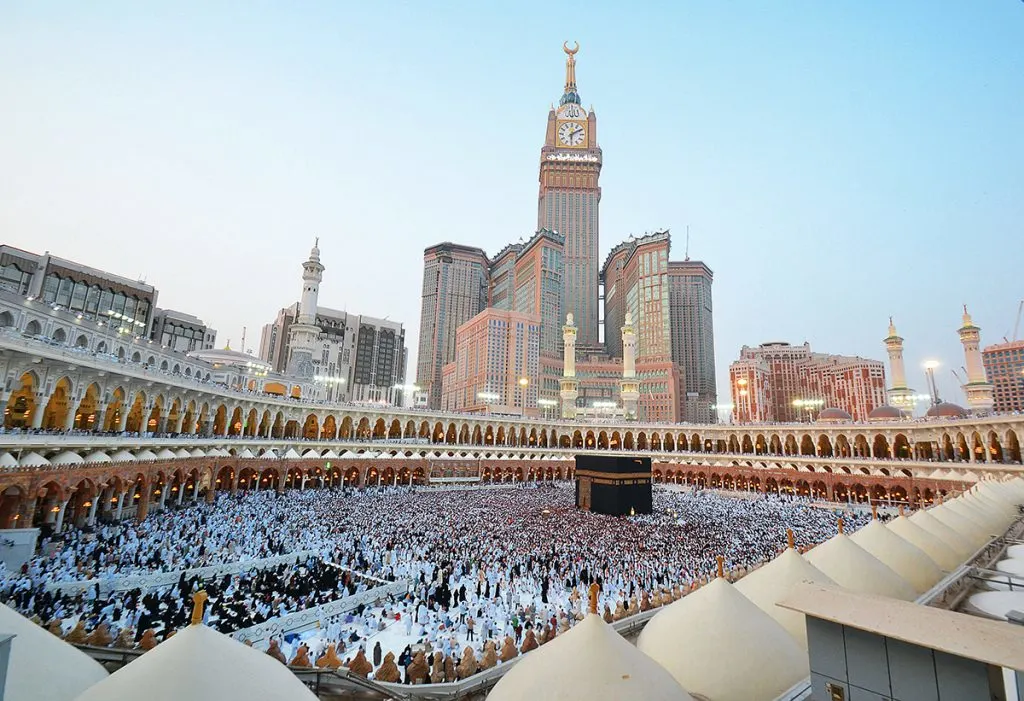
Umrah during cooler months is usually easier on the body, particularly for older pilgrims, young children and anyone who struggles with heat. From November to February, Makkah commonly sees temperatures around 20–25°C, so Tawaf, Sa’i and the repeated walks to Masjid al-Haram feel far more manageable.
That does not mean every day will be cool or every mosque visit quiet. Crowds can still be heavy, midday sun can still feel warm, and Madinah evenings may catch first-time visitors by surprise. Check current entry and travel requirements through the official Saudi visa website, then plan around the needs of the slowest person in your group. A comfortable Umrah is rarely about rushing.
1. Will the cooler weather make the rituals easier?
Yes, noticeably. Seven circuits of Tawaf followed by seven walks between Safa and Marwah require more energy than many first-time pilgrims expect. In summer temperatures of 35–45°C, heat adds another layer of strain; at around 20–25°C, most pilgrims can keep a steadier pace and concentrate better on dua and prayer.
The difference is clearest before sunrise and after Isha. You may be able to remain at Masjid al-Haram for voluntary prayer or Quran recitation without constantly thinking about shade, sweat or the walk back. Still, do not mistake pleasant weather for permission to overdo it. We often see families complete Umrah immediately after a tiring flight, then lose the following day to exhaustion.
Carry a light outer layer, but keep it small enough to fit in your day bag. Weather forecasts are useful for packing, though the marble courtyards, air conditioning and wind between buildings can make the temperature feel different from the number shown on an app.
2. How close does the hotel really need to be?
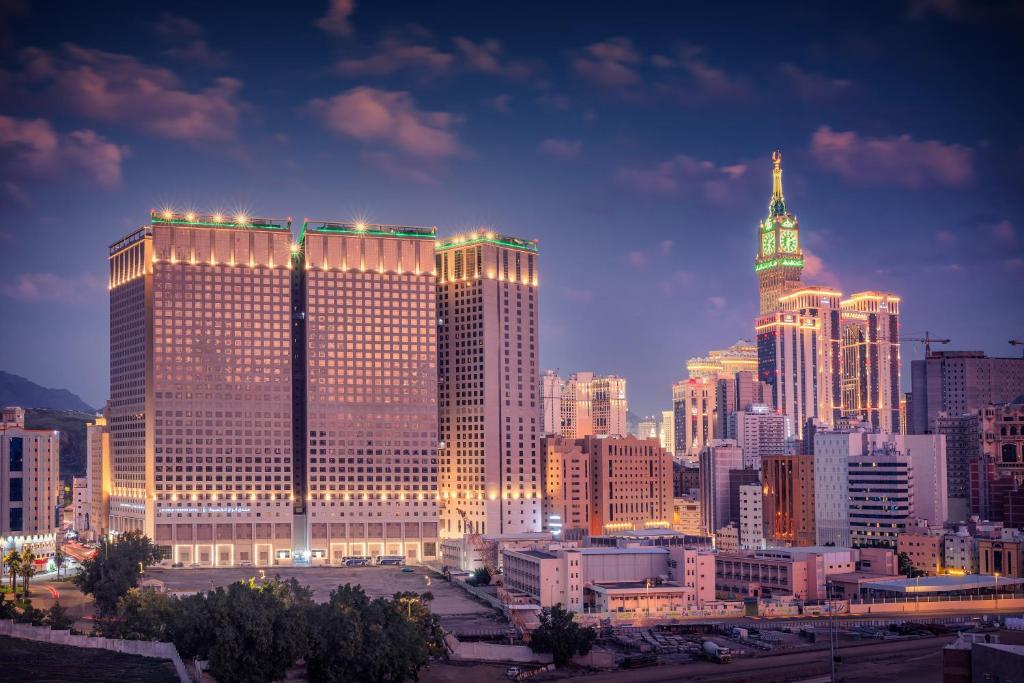
Cooler months often sit outside the highest-demand periods such as Ramadan, and the original price range for some Makkah rooms is SAR 150–350 per night. Rates change quickly, however, so compare the full stay rather than trusting the first nightly figure. A site such as HotelsInMakkah.com can help you check location as well as cost.
This is where people get it wrong: a hotel advertised as 400 metres from the Haram may not feel like a simple 400-metre walk. You may have an uphill section, busy crossings, security diversions or a long route from the mosque entrance to the prayer area you actually need. With a pram, wheelchair or elderly parent, that short distance feels much longer after Sa’i.
Booking two or three months ahead can provide more choice. Before paying, ask which entrance the distance is measured to, whether lifts become crowded around prayer times, and whether breakfast hours suit Fajr. A cheaper room farther away may work for fit adults, but taxis quoted at SAR 15–30 per ride can become less convenient when roads close or queues build.
3. What is the walk to the Haram actually like?
In mild weather, a 300–500-metre hotel walk can be pleasant. You are less likely to arrive overheated, and returning to the room between prayers is more realistic. Even so, allow extra time near the mosque. Pavements become crowded before congregational prayer, families stop unexpectedly, and security staff may redirect people when an entrance fills.
Wear lightweight sandals that have already been broken in. New footwear often causes blisters within the first day. Carry them in a simple shoe bag inside the mosque rather than leaving expensive sandals at an entrance and then trying to remember which door you used.
For Fajr, leave earlier than your normal walking time suggests, especially if someone in the group uses a wheelchair. Hotel lifts can be the first queue of the morning. Prams also slow down at kerbs and security points, so agree on a meeting place in case the group separates.
4. How should we pace Sa’i without becoming exhausted?
Sa’i is indoors and the route is air-conditioned, but it is still a sustained walk. Cooler outdoor weather helps because you arrive less drained from Tawaf and from reaching the mosque. The aim is not to keep up with faster pilgrims. Set a pace that allows you to recite comfortably and remain aware of the people around you.
Drink Zamzam in small amounts during suitable pauses rather than waiting until you feel thirsty. If an older relative needs a wheelchair, discuss this before entering the busiest part of the ritual; deciding halfway through can mean backtracking or searching for assistance in a crowd. Keep medicines, tissues and a small snack for after completion in one person’s bag.
Families sometimes split into fast and slow groups, then waste energy trying to find each other. Choose a clear meeting point away from the main flow and make sure everyone has the hotel name saved on their phone. Cooler conditions reduce fatigue, but sensible pacing is what preserves enough energy for the prayers that follow.
5. Is Madinah more comfortable in the cooler season?
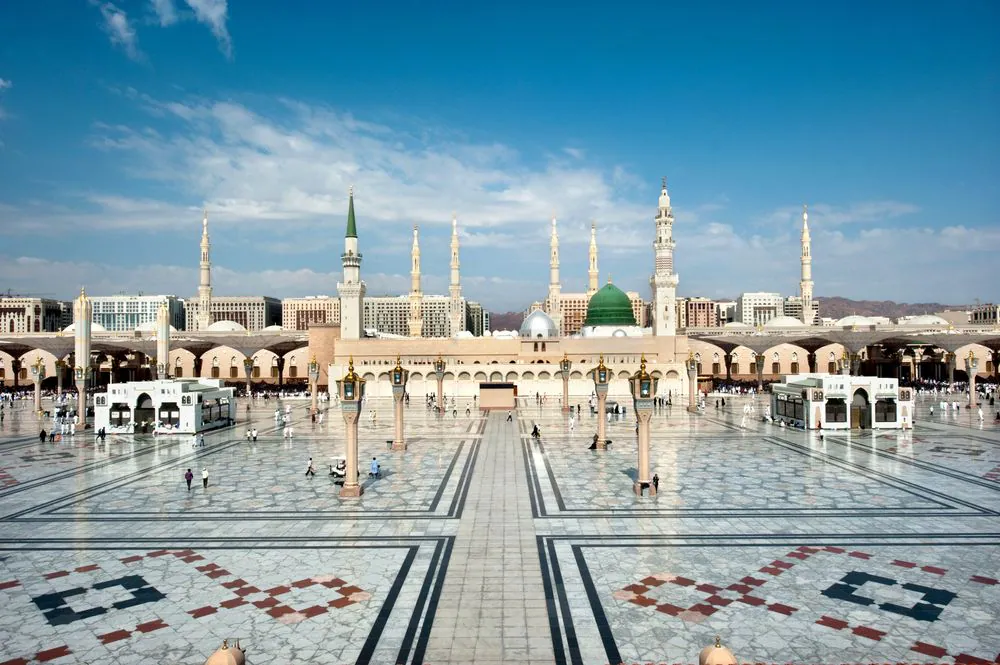
Madinah is particularly pleasant in cooler weather, with temperatures commonly around 20–27°C. Visits to Quba Mosque and Uhud are easier when the sun is less intense, and walking through the open courtyards of Al-Masjid an-Nabawi takes less out of elderly pilgrims.
Pack a light cardigan or jacket for early mornings and evenings. The mistake we see is leaving Makkah in warm midday conditions and arriving in Madinah without an extra layer. Keep that layer in hand luggage, not inside a suitcase buried beneath everyone else’s bags.
Rawdah access follows current mosque arrangements, so check the applicable procedure rather than relying on an old screenshot from a relative. Arrive prepared for queues and follow staff instructions. Staying near the mosque can reduce transport time; compare the practical location through this accommodation directory. The Haramain High-Speed Railway journey from Makkah is about two hours, with fares originally noted at SAR 75–150, but leave time for station entry, luggage checks and boarding.
6. Are flights from India usually better value?
They can be, particularly outside major pilgrimage and school-holiday peaks. The original fare guidance for return flights from Mumbai or Delhi to Jeddah was $300–$450, compared with $600 or more in busier periods. Treat those figures as a guide only: route, baggage allowance, connection time and demand can change the final cost considerably.
Start watching fares three or four months ahead and compare midweek departures. Do not choose solely by the headline price. A cheaper ticket with a long overnight connection, separate baggage rules or an awkward arrival may be hard on parents and older travellers.
Also check whether your itinerary makes more sense as Jeddah in and Madinah out, or the reverse. Avoiding an unnecessary return journey can be worth more than a small airfare saving. Keep Ihram requirements in mind when selecting the route and ask for guidance if you are unsure where you will cross the miqat.
7. Does cooler weather help with prayer and reflection?
Physical comfort does not create spiritual focus by itself, but it removes some obvious distractions. When you are not battling intense heat, you may find it easier to stay for dua, read Quran or attend Tahajjud without needing repeated recovery breaks.
Prepare a short dua list before travelling. Save it on your phone and carry a paper copy because batteries fail at inconvenient moments. Include duas for others as well as yourself, but do not turn the visit into a checklist that must be completed at a particular spot.
Areas near Maqam Ibrahim and other recognised points can become congested. Never block moving pilgrims to secure a preferred position for prayer. Step into a safer space and maintain calm; consideration for others is part of the experience, not an interruption to it.
What should go in the day bag?
Pack two sets of Ihram garments, lightweight layers, broken-in sandals, a shoe bag, unscented toiletries where required, regular medicines and copies of essential documents. A small umbrella can help during sunnier periods, while a reusable water bottle is useful away from Zamzam points. Keep the bag light. Security checks and long walks make every unnecessary item feel heavier.
The original suggested budget was $1,200–$1,800 for a five-to-seven-day trip covering flights, hotels and meals, though actual spending depends heavily on departure city, room location and season. Build in room for local transport, food during delays and baggage charges rather than using every available amount on the hotel.
Rest matters. Plan one demanding activity at a time, eat familiar food where possible and do not let stronger group members dictate everyone’s speed. The person who tires first sets the pace.
Is a cooler-month Umrah the right choice?
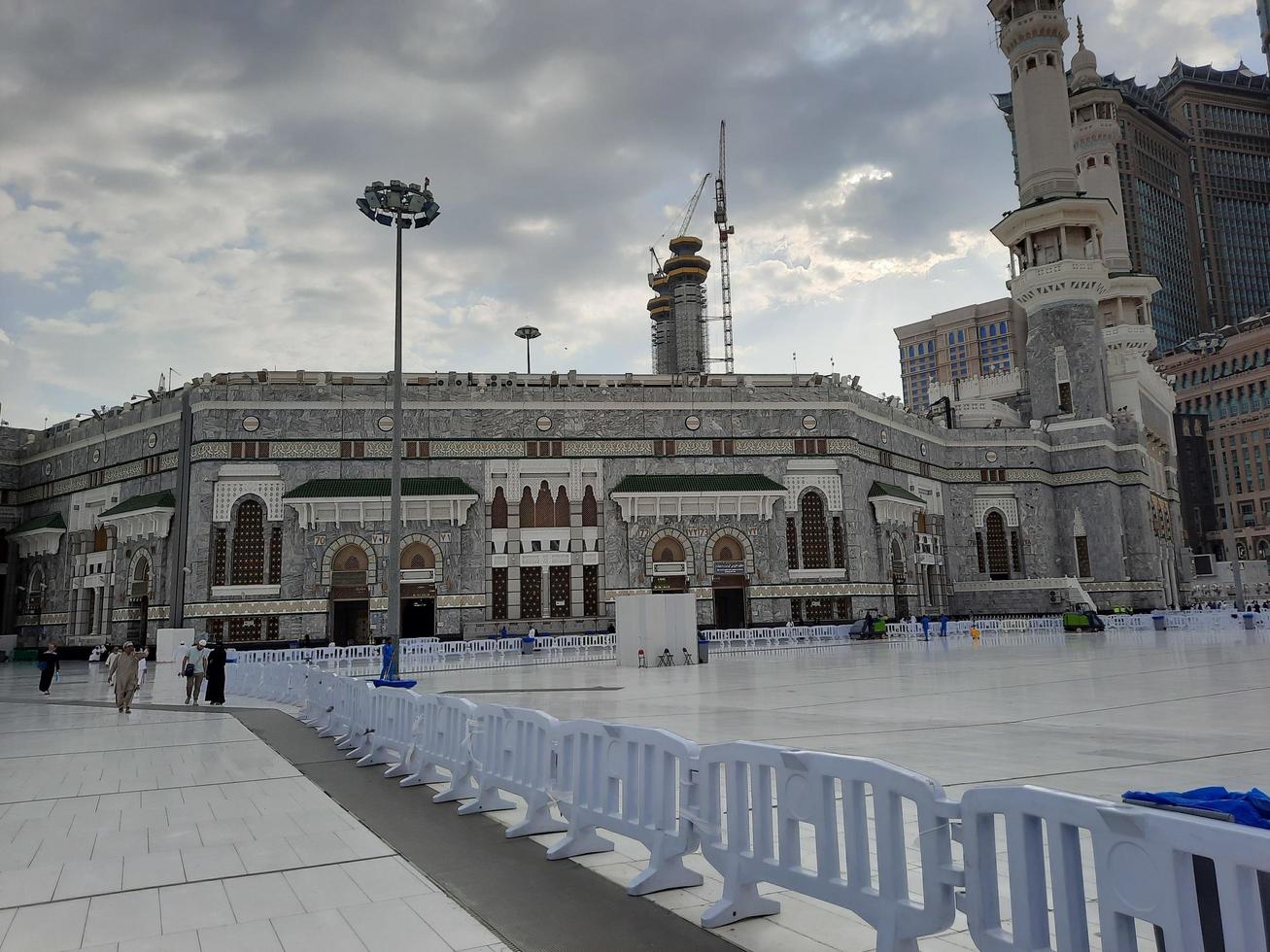
For most families, Umrah during cooler months offers a sensible balance of comfort and flexibility. Tawaf and Sa’i are less punishing, walks to the mosques are easier, and Madinah’s outdoor sites are more pleasant. The trade-off is that good weather attracts other pilgrims, so never assume the Haram will be empty.
Choose accommodation by the real walking route, allow for queues and keep the itinerary loose enough for rest. Those decisions usually matter more than squeezing another activity into the day.
Questions pilgrims often ask
1. Which months are usually coolest for Umrah?
November to February are generally the most comfortable. Makkah temperatures are often around 20–25°C, although afternoons can still feel warm and weather varies from day to day.
2. Is Makkah less crowded then?
It is often less crowded than Ramadan or Hajj season, but Masjid al-Haram remains busy. Prayer times, weekends and group arrivals can quickly change crowd levels.
3. What clothing should I pack?
Bring breathable daytime clothing and a light jacket for evenings, alongside two Ihram sets and comfortable sandals. Women may also appreciate warm socks for cooler marble floors and air-conditioned areas.
4. Are hotel rates always lower?
No. They are often lower outside peak periods, but location, room type and demand still affect prices. Compare the total cost and cancellation terms before booking.
5. Can older pilgrims visit Madinah’s outdoor sites?
Cooler conditions make visits easier, but keep them short and allow seated rest. Arrange wheelchair support beforehand if walking distance is a concern.
6. Why does cooler weather help during Sa’i?
You begin the indoor walk with less heat-related fatigue after Tawaf and the journey to the Haram. Good footwear, hydration and an unhurried pace still matter.
7. Should we complete Umrah immediately after arriving?
That depends on your arrival time and energy. If the group is exhausted after travel, proper rest may lead to a calmer and safer Umrah than pushing through from the airport.
8. Are India–Saudi flights cheaper in cooler months?
They may be cheaper during off-peak periods. Compare baggage, connections and arrival times as well as the fare, and begin checking three or four months ahead.
9. What hotel location works best?
A genuinely walkable hotel is usually best, especially with children or elderly relatives. Confirm gradients, entrances and shuttle arrangements rather than relying only on the advertised distance.
10. Where can I compare locations?
book your Makkah stay with us provides accommodation comparisons. Use any listing as a starting point, then verify the walking route and room details directly before paying.
Also Read This
Five Essential January Umrah Packages
Four Balanced February Umrah Packages
Five Ramadan Umrah Package Options
Seven Makkah Hotels to Consider in December
When you’re ready to price a stay, you can compare Madinah hotels near the Prophet’s Mosque and see what fits your dates and budget.
You Might Also Like
Akhil Shariff ✓
Umrah Specialist with 10+ years experience
Akhil Shariff is an Umrah specialist with over 10 years of experience arranging hotels, transfers and ziyarath for pilgrims travelling to Makkah and Madinah. He works with hotel partners on the ground in both cities and reviews every guide against what pilgrims actually report back.
🏆 Verified Expert
Frequently Asked Questions About Umrah During Cooler Months
- Is it easier to complete Umrah rituals when the weather is cool?
- Yes, the rituals are noticeably easier in cooler weather. You keep a steadier pace and concentrate better without the extra fatigue from heat. However, you still need to pace yourself, avoid rushing after arrival, and look out for hidden fatigue, especially in the elderly or young children.
- Are hotels really close to the Haram as advertised?
- Distances advertised can mislead; a claimed 400 metres to the Haram may involve uphill sections, crowded crossings, or long routes to prayer areas. Always confirm which entrance the hotel measures from, and consider the practicalities for wheelchairs, prams, or elderly companions before booking.
- Do cooler months mean I can skip planning for crowds?
- Crowds are still common even in cooler months, especially near prayer times or weekends. Midday sun is less harsh, but mosque areas fill quickly. Factors like group arrivals and security checks mean you should continue to plan for waits and leave early for key prayers or rituals.
- Should we go straight to Umrah after landing, or rest first?
- Resting first is often better, especially if your group is exhausted from travel. Completing Umrah immediately after a tiring journey often leads to missing the following day’s prayers due to fatigue. Allow everyone enough time to recover for a calmer and safer experience.
- What should I put in my day bag during Umrah in cool weather?
- Carry two Ihram sets, lightweight layers, broken-in sandals, a shoe bag, unscented toiletries, medicines, water, and document copies. A small umbrella and a reusable bottle also help. Don’t overload—the long walks and security checks make extra items burdensome.
- Are India–Saudi Umrah flights always cheaper in cooler seasons?
- They can be, especially outside major pilgrimage and school-holiday periods, but fares change rapidly. Total costs depend on route, luggage, and connections. Begin comparing several months ahead rather than trusting just the headline price.
- Is Madinah much cooler than Makkah during these months?
- Madinah is pleasantly cool, especially in mornings and evenings, making outdoor visits easier for older pilgrims. However, keep a light jacket available for sudden temperature drops and check access procedures for sites like Rawdah as arrangements shift.
- Do I need to book a hotel within a certain walking distance of the mosque?
- A genuinely walkable hotel is best, particularly with elderly relatives or children. Check for gradients, entrance locations, and the real route—not just advertised distance—since factors like shuttles, closed roads, and crowding can all affect accessibility.
Ready to Book Your Umrah Journey?
Compare verified hotels in Makkah and Madinah with guaranteed best prices.
Browse Hotels →