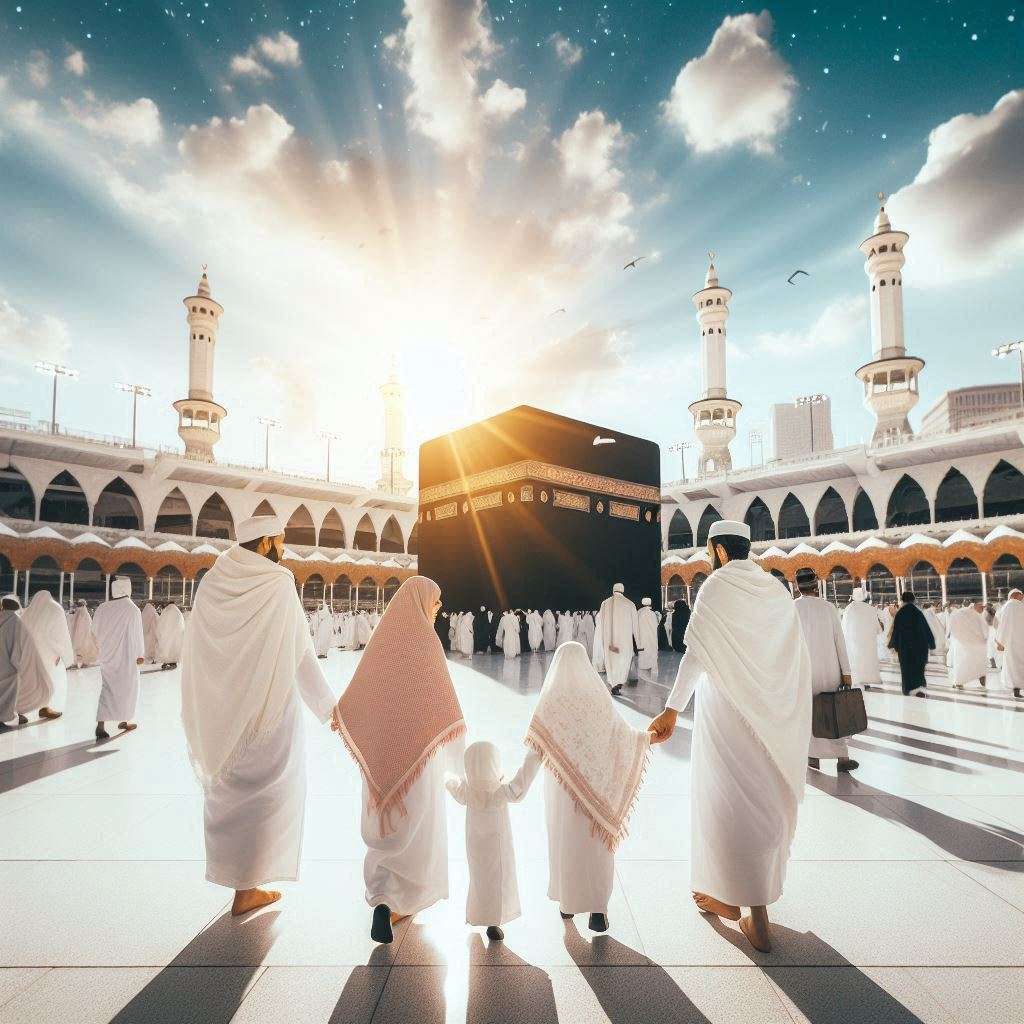
Umrah With Kids: 7 Essential Tips Every Parent Should Know
Umrah with kids — practical, evergreen guidance from our licensed Umrah specialists, written for pilgrims booking hotels in Makkah near Haram and our hotels in Madinah near the Prophet's Mosque. Every claim in this guide is verified against current Saudi Ministry of Hajj guidance and our own operational data from thousands of completed Umrah journeys. If you're planning your trip now, jump to our all-inclusive Umrah packages or read related deep-dives in the section below. Questions? Our WhatsApp team replies in under 30 seconds, 24/7.
Umrah with Kids is no ordinary endeavor—it’s a profound spiritual voyage wrapped in both challenges and treasures. For Umrah Pilgrims heading to Makkah, Saudi Arabia, bringing children along transforms this sacred act into a family experience of unparalleled depth. The opportunity to stand before the Kaaba together, hands raised in prayer, is a moment.
Quick overview
Umrah with kids: quick overview
Umrah with Kids is no ordinary endeavor—it’s a profound spiritual voyage wrapped in both challenges and treasures. For Umrah Pilgrims heading to Makkah, Saudi Arabia, bringing children along transforms this sacred act into a family experience of unparalleled depth. The opportunity to stand before the Kaaba together, hands raised in prayer, is a moment.
- 1. How close to the Haram do you really need to stay?
- 2. Which room layout works for your family?
- 3. How will you handle food and water?
- 4. How can children take part without becoming overwhelmed?
- 5. Which “family-friendly” hotel features will you actually use?
- 🛡️ Licensed Travel Agency
- ⭐ 5-Star Rated Service
- 🏆 Best Umrah Service
- ✅ Verified Information
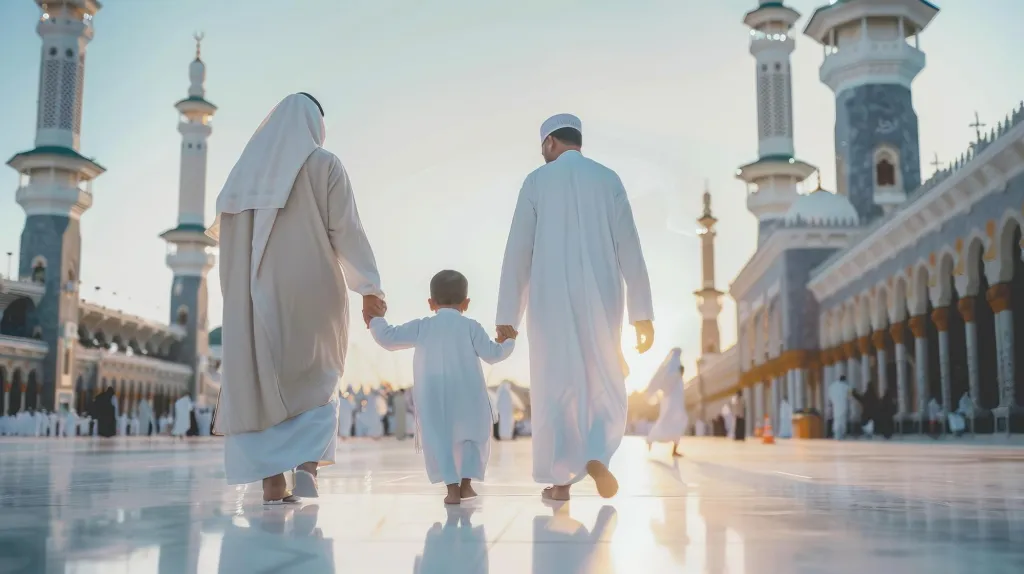
Umrah with kids is entirely manageable, but only if you plan around the children rather than expecting them to follow an adult timetable. Stay close to the Haram, protect sleep and meal times, carry fewer things than you think you need, and accept that a calm Umrah is better than an overfilled one.
Children often remember surprising details: their first sight of the Kaaba, drinking Zamzam, the call to prayer, or walking between Safa and Marwah. Before travelling to Makkah, Saudi Arabia, explain what they will see in simple language. Younger children do not need a long lesson. A short story about the Kaaba, a picture of the Haram and a practice walk in ihram clothing will do more than an hour of instructions.
The biggest mistake is trying to complete every prayer, visit and ritual at the pace of a fit adult. Heat, crowds, broken sleep and unfamiliar food add up quickly. Build the day around one main spiritual activity, then leave room for naps, snacks and unexpected toilet stops. That flexibility is not a failure of planning. With children, it is the plan.
1. How close to the Haram do you really need to stay?
Distance matters more with children than almost any hotel luxury. A property described as “near the Haram” may still involve ramps, underpasses, crowded crossings or a long walk through a shopping complex. Four hundred metres on a map can feel much longer when you are pushing a pram, carrying a sleeping toddler and trying to keep an older child beside you.
We usually tell families to examine the actual walking route, not just the straight-line distance. Ask which entrance you will use, whether there are steps and how busy the route becomes after salah. In Madinah, also check which side of the Prophet’s Mosque your hotel faces. Access arrangements, including entry rules for Rawdah visits, can change, so confirm current guidance rather than choosing a room on that assumption alone.
Can the children manage the walk several times a day?
A genuine five-to-ten-minute walk is useful because you can return for a nap, a change of clothes or a forgotten medicine without losing half the day. Test the stated time honestly. Hotel descriptions usually assume an unhurried adult with no queue for a lift; families should allow longer, especially around prayer times.
Use the map on book your Makkah stay with us, then compare it with the pedestrian route and recent map imagery. Do not plan to leave halfway through Tawaf simply for juice and resume casually later. Complete the ritual properly where possible, while allowing necessary breaks according to reliable religious guidance. Feed children, use the toilet and refill bottles before you begin.
What needs to be within easy reach?
A nearby pharmacy is far more valuable at midnight than a grand hotel lobby. Look for a supermarket or small shop selling nappies, plain yoghurt, bananas, bread and bottled water. Families with babies should not assume their usual nappy size, formula or preferred snack will be available in the first shop they find.
Check nearby services through official Makkah hotel booking site, but verify opening access locally after arrival. Malls can provide an air-conditioned break, although reaching a children’s area may involve several lifts and crowded corridors. Keep one change of clothes and a few wipes in the day bag so a minor spill does not force an immediate hotel return.
Will a shuttle actually make life easier?
A shuttle sounds convenient, but it has trade-offs. You may need to queue, fold the pram and wait for the next departure if the first vehicle fills. A close hotel with a manageable walking route is often easier than a more distant property with an infrequent shuttle.
For airport transfers, reserve enough vehicle space for people, suitcases and a folded buggy. Sedans, H1 vans and 12-seaters may be arranged through HotelsInMakkah.com; driver details are shared 12–24 hours beforehand, with a call around 30 minutes after landing. Keep one adult with the children while another identifies the driver and handles luggage. For the Makkah–Madinah journey, check train baggage rules and allow time to reach the platform without rushing.
2. Which room layout works for your family?
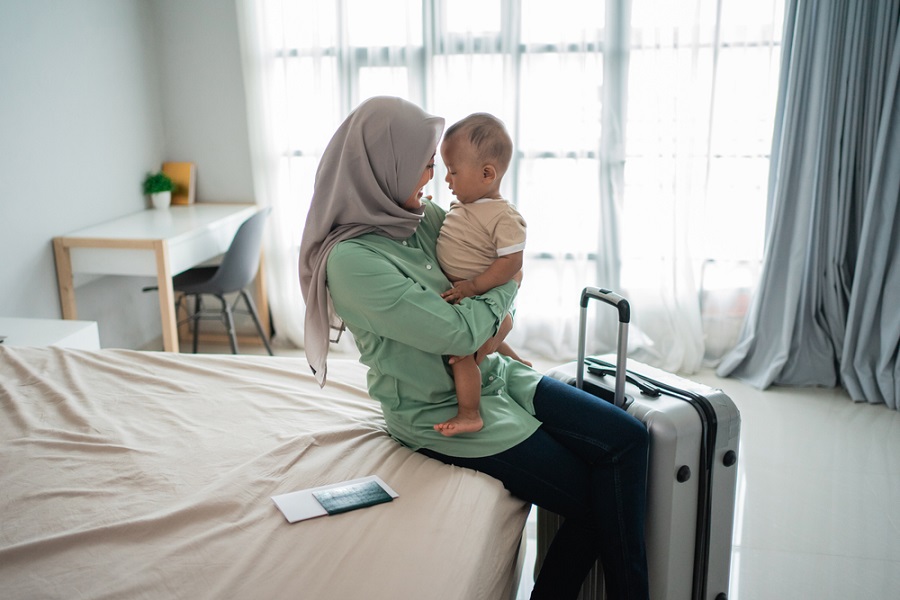
A smaller room close to the Haram can be better than a large suite farther away, but only up to a point. If every suitcase must be moved before a child can sleep, the room will become exhausting within a day. Ask for the exact bed arrangement, not simply whether the room is described as “family-friendly”.
Confirm whether a cot is guaranteed or merely requested, whether an extra bed blocks the doorway and whether connecting rooms have an internal door. Room photographs on hotels in Makkah are useful, though they may show a different room category. A quick written confirmation from the property prevents arguments at reception after a tiring journey.
Do you need connecting rooms or one family suite?
Connecting rooms suit families with older children and give parents somewhere to talk or pray after bedtime. A suite may work better with toddlers because everyone remains behind one main entrance. Either way, check occupancy limits and bed sizes. “Two beds” does not always mean two large beds.
Keep the room simple. Put shoes by the door, medicines out of reach and daily clothes in one open case. Use a separate bag for dirty laundry. Children settle faster when they can find their pyjamas, comfort toy and water bottle without the whole family emptying suitcases across the floor.
Which room facilities are genuinely useful?
A mini-fridge helps with milk, yoghurt and medicine that needs cooling. A kettle can be useful, but keep its lead and hot water well away from small hands. Ask for a non-slip bath mat if available, and bring socket covers if your child is at the curious-fingers stage. Blackout curtains are excellent for daytime sleep.
Do not assume cots, bottle sterilisers, microwaves or baby monitors are standard. Check the listed room facilities on Makkah hotels for Umrah and ask directly about anything essential. One practical item parents often overlook is a small night-light. It makes feeds and toilet trips easier without waking everyone.
Is a Haram view worth paying for?
A Haram view can be deeply moving and gives children a quiet way to observe the mosque between visits. It is not automatically the best family choice, however. A lower room near lifts may save more time than a high-floor view, and some rooms face busy roads or bright signs.
Ask about lift access and noise before choosing from the room options on Umrah hotel booking. After congregational prayers, lift queues can be lengthy. If you have a buggy and sleepy children, waiting for several full lifts is much harder than it sounds from home.
3. How will you handle food and water?
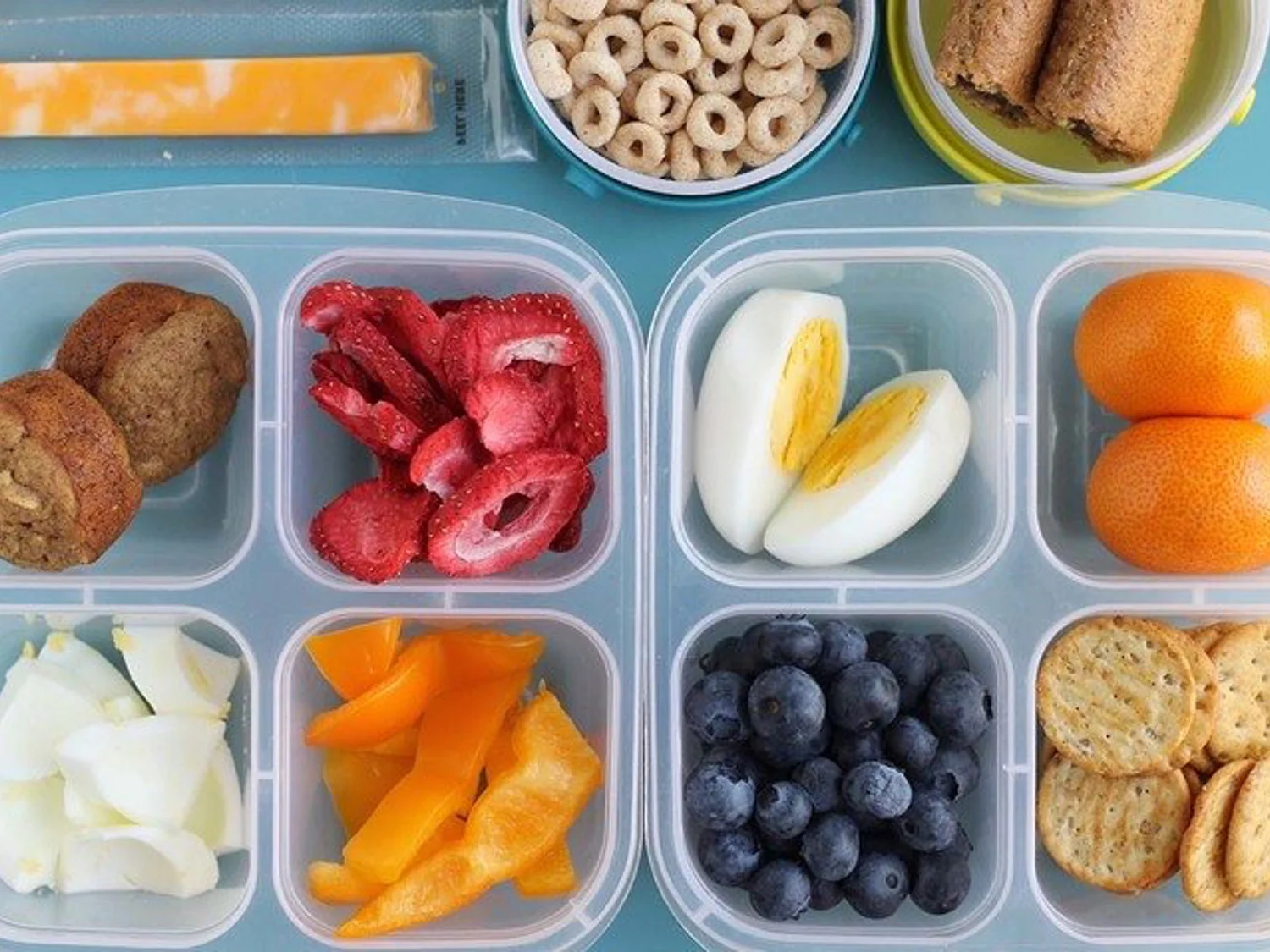
Children who usually eat well can become fussy during Umrah. Their sleep changes, the weather feels different and meals may arrive at unfamiliar times. Carry dependable snacks such as crackers, dry cereal, fruit pouches or whatever your child already tolerates. This is not the trip to test six new foods in one day.
Give a light meal before Tawaf or Sa’i rather than a heavy, oily one. Keep one snack for immediately afterwards, when queues and the walk back may take longer than expected. Room service can help after a late return, but check ordering times; “available all day” does not always mean every dish is available immediately.
What will a fussy eater manage?
Look for plain rice, grilled chicken, bread, eggs, soup, yoghurt and fruit. Buffets offer choice, although tired children can become overwhelmed by noise and long lines. One parent can find a table while the other collects food. If you all queue together, the youngest may have had enough before breakfast begins.
Introduce dates and local dishes gradually, especially if your child has a sensitive stomach. Hotel dining details may be shown on book your Makkah stay with us, but menus change. Families managing allergies should speak directly to kitchen staff and carry written details of the allergy rather than relying only on buffet labels.
How do you keep children drinking enough?
Offer small drinks often instead of waiting for a child to say they are thirsty. A labelled refillable bottle prevents mix-ups, and a spare bottle in the pram is sensible. Zamzam is part of the experience and many children enjoy filling their own cup, but supervise them closely around dispensers and busy walkways.
Water access is worth checking on HotelsInMakkah.com. Avoid relying on sweet drinks for energy; the quick lift is often followed by irritability. Watch for unusual tiredness, headache, dry mouth or reduced urination, and move into a cool place if a child seems affected by the heat.
When should meals fit around the rituals?
Feed younger children before they become desperate. A practical rhythm is a proper breakfast, a light pre-ritual snack and a simple meal after returning. Keep a banana, crackers or another non-messy food ready for unavoidable delays. Avoid foods that melt, leak or need cutlery in a crowded area.
Jet lag may mean a child wants breakfast in the middle of the night. Pack enough familiar food for the first day and shift meal times gently. Trying to force a new schedule immediately usually ends with an overtired child and two exhausted parents.
4. How can children take part without becoming overwhelmed?
Children learn through small repeated moments. Let them copy wudu, carry a little prayer mat or choose a dua to learn. Do not expect a young child to remain silent and still through every long prayer. One parent may need to step out, settle them and return later.
A hotel prayer room can be useful for practice or for salah when the Haram crowds are too much. It does not replace the importance of praying in the sacred mosques, but it gives families breathing room. Explain beforehand what to do if separated: stop, stay in one visible place and approach uniformed staff rather than wandering.
Should you use the hotel prayer room?
Yes, when it helps the family pray calmly. A quiet room allows children to learn the movements without being jostled and lets parents judge how they cope before entering a much larger crowd. Check whether the room has separate areas and whether it remains open at the times you need it.
Properties with prayer facilities can be identified throughbook your Makkah stay with us. Take your own small mat if your child enjoys having one. Keep expectations modest: joining for two raka’ah with attention is more positive than being repeatedly scolded through a longer session.
Can children manage wudu safely?
Ablution areas are wet and slippery. Hold younger children, use any available low sink or step, and avoid busy times while they are learning. A small microfibre towel and spare socks are useful because sleeves, cuffs and shoes somehow get wet even when everyone is being careful.
Practise wudu at home in the correct order. Once in Makkah, the process will already feel familiar. Children who are too small to do it independently can still name the steps or copy a parent in the room.
Do special prayer items help?
A child-sized prayer mat or simple tasbih can help a child feel included, but avoid turning the mosque into a play area. Choose quiet items with no flashing lights or loose pieces. Some hotels may provide small mats on request, although bringing a familiar one is more reliable.
Give one short explanation at a time: why families face the Kaaba, why people make Tawaf, or what Zamzam means. Children rarely absorb a full lecture after a long walk. They do remember a gentle conversation beside a parent.
5. Which “family-friendly” hotel features will you actually use?
Playrooms, children’s clubs and babysitting can be useful, but they should not decide the booking before location, room layout and lifts. This is where people get it wrong. A hotel may advertise many family facilities, yet reaching the Haram with a pram may still be difficult.
Choose the basics first: safe sleeping arrangements, manageable access, food your children will eat and space to wash and change them. Treat every extra facility as a bonus. Pools and play areas may have limited hours, supervision rules or maintenance closures.
Will a play area save the day?
Sometimes. Twenty minutes of drawing or free play can reset a child after hours of being told where to stand and walk. Indoor areas are particularly useful during the hottest part of the day. Bring a small activity pouch anyway: pencils, stickers, a thin book and one quiet toy.
Do not carry a full toy box into the Haram. Pieces get lost, bags become heavy and parents spend the ritual retrieving dropped objects. Rotate two or three small activities in the hotel room instead.
Would you be comfortable using babysitting?
Never assume babysitting is available simply because a listing mentions it. Ask who provides the service, where care takes place, what ages are accepted and how the hotel handles emergencies. Meet the carer first and leave written instructions, contact numbers, food information and medicines only where properly agreed.
Some parents find the service helpful for a quiet Tawaf; others are not comfortable leaving their child in an unfamiliar place. Both choices are reasonable. If travelling with extended family, taking turns may be easier.
What makes hotel dining manageable?
High chairs, quick access to plain food and enough table space matter more than an elaborate menu. At a buffet, seat children away from hot drink stations and busy serving paths. Carry disposable bibs and a few wipes, even with older children.
If a family member has dietary requirements, contact the property before arrival. Verbal explanations made during a crowded breakfast service can be misunderstood. A written note in English and Arabic is useful for serious allergies.
6. What should you confirm before paying?
Family rooms and connecting rooms are limited, so booking early gives you more choice. Yet the lowest non-refundable rate is not always the sensible one. Children become ill, school arrangements change and travel documents can be delayed. Read the cancellation deadline, payment conditions and room occupancy rules before entering card details.
Ask for written confirmation of cots, extra beds and transfers. Compare room descriptions carefully on official Makkah hotel booking site, but confirm critical requirements with the property. “Request submitted” is not the same as “guaranteed”.
How flexible does the cancellation policy need to be?
More flexible terms may cost slightly more, but they can protect the family if a child develops a fever or another problem arises. Policy details displayed on hotels in Makkah should be read line by line, including local time cut-offs and whether any deposit is refundable.
Save the confirmation, transfer contact and hotel address offline. Airport internet may be patchy, batteries run down and tired children are not patient while a parent searches through emails. Give another adult a copy as well.
7. What should go in the children’s bags?
Preparation starts before packing. Show children pictures of ihram, the Kaaba, Safa and Marwah, and explain that there will be crowds. Practise holding hands or gripping the pram when asked. Older children should memorise a parent’s phone number and carry it on a wristband or card.
Each day bag should contain wipes, tissues, hand sanitiser, a change of clothes, underwear, a small towel, snacks, water and any essential medicine. Add a lightweight jumper for strong indoor air conditioning. Keep passports and large amounts of money in a separate secure bag, not in a child’s backpack.
How do you prepare children spiritually?
Use short stories, pictures and role-play. Walk seven slow circles around a chair or simple Kaaba model so children understand the idea of Tawaf, while making clear that the real ritual is different and sacred. Practise walking as a family without overtaking one another or suddenly stopping.
Let each child choose one dua for the trip. They may ask for something very small and personal. That is fine. The aim is to help them speak to Allah naturally, not to test how much they can memorise.
Which health items belong in your kit?
Pack medicines your child already uses, in original packaging, plus a thermometer, plasters, antiseptic wipes and any prescribed treatments. Bring comfortable, broken-in footwear, sun hats and suitable sunscreen. New sandals bought for the trip often cause blisters within the first long walk.
Check current health and vaccination requirements with official sources and your clinician well before travel. You can also use Makkah hotels for Umrah to see whether a pharmacy or clinic is nearby, but carry enough essential medicine for delays. Never rely on finding an exact brand abroad.
How much should you schedule each day?
Less than you would schedule without children. Alternate demanding periods with rest, and protect at least one proper sleep window. A toddler who misses a nap may cope at first and then unravel just as the family reaches the Haram.
Build buffer time around every departure. Toilets, lifts, missing shoes and snack requests can easily add twenty minutes. If you want to reach the mosque before a busy prayer, leave earlier than your adult walking time suggests. A relaxed arrival sets a far better tone than hurrying children through crowds.
What makes a family Umrah feel successful?
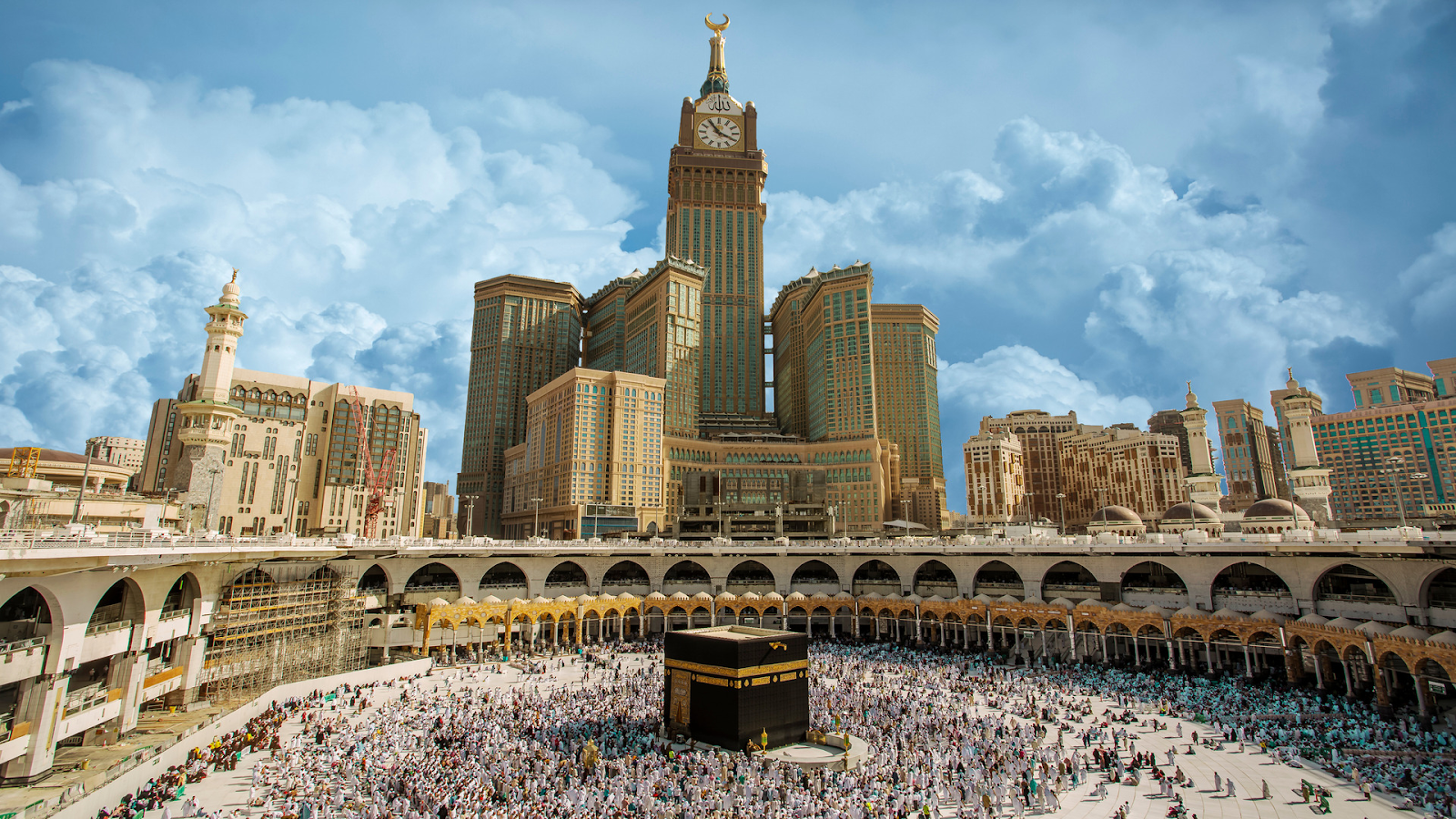
A successful Umrah with kids is not measured by how many activities you squeeze into each day. It is the pilgrimage in which the essential rituals are completed properly, the children feel safe and the parents retain enough patience to explain why the family has come.
Stay close enough to return easily, choose a workable room and keep food, water and rest predictable. Expect plans to change. One parent may pray while the other settles a child, then swap later. You may leave an outing early or spend an afternoon in the room. None of that removes the value of the journey.
If you want to compare family room layouts, nearby amenities and transfer options in one place, use Umrah hotel booking. Whatever you book, confirm the details that matter directly and keep the daily plan gentle. Children are far more likely to remember warmth, wonder and calm than a packed itinerary.
FAQs
1. How should parents prepare children for Umrah?
Show them pictures of the holy sites, tell short stories about the Prophet ﷺ and practise the basic movements at home. Explain crowds, waiting and hand-holding clearly. Let children pack a small bag with a prayer mat, quiet activity and familiar comfort item.
2. Are family transfer services available?
Yes. official Makkah hotel booking site can arrange sedans, H1 vans or 12-seaters. Driver details are usually shared 12–24 hours before arrival, followed by a confirmation call around 30 minutes after landing. State the number of suitcases, prams and child seats required when arranging transport.
3. What food works best during Umrah with kids?
Choose familiar, plain food such as rice, bread, eggs, yoghurt, fruit and grilled chicken. Give light meals before rituals and carry a non-messy snack for delays. For allergies, contact the hotel directly and keep a written explanation with you.
4. Is a family suite better than connecting rooms?
A suite often suits younger children because everyone stays behind one entrance. Connecting rooms give older children and parents more privacy. Confirm bed sizes, internal doors, cot availability and maximum occupancy rather than relying on the room name.
5. Why does hotel location matter so much?
Shorter walks reduce tiredness and make it easier to return for naps, medicine or clothing changes. Check the real pedestrian route, including ramps, steps, crossings and lift queues. The distance shown on a map may not reflect the effort required with a buggy.
6. What should parents pack?
Bring broken-in shoes, sun protection, refillable bottles, snacks, wipes, spare clothes and prescribed medicines. Add a thermometer, basic first-aid supplies, a small towel and a light layer for air-conditioned spaces. Keep one complete change in the day bag.
7. Do hotels provide child-friendly spiritual facilities?
Some have prayer rooms, easier ablution access or small prayer mats, but facilities vary. Confirm them before travel. Even without special equipment, children can join short prayers in the room and practise wudu safely under a parent’s supervision.
8. Is flexible cancellation worth considering?
Yes. Children can become unwell unexpectedly, so flexible terms provide useful protection. Check the exact cancellation deadline, deposit conditions and local time cut-off. Do not assume that every rate at the same hotel follows the same policy.
9. How should meals be timed around Tawaf and Sa’i?
Offer a light meal beforehand, visit the toilet and carry water plus a simple snack for afterwards. Avoid a heavy meal immediately before walking. Allow extra time because crowds, lifts and the return to the hotel may delay the next proper meal.
10. How can families compare suitable hotels?
Families can compare location, room types, practical facilities and transfers through HotelsInMakkah.com. Treat listings as a starting point, then obtain written confirmation for connecting rooms, cots, accessibility or any other requirement that could affect the children.
Also Read This
Best Hotels in Madinah for Families with Kids
Family Guide to Booking a Hotel Near Nabawi Mosque
Family Umrah Packages from UK | Safe, Child-Friendly & Affordable
When you’re ready to price a stay, you can compare Madinah hotels near the Prophet’s Mosque and see what fits your dates and budget.
You Might Also Like
Akhil Shariff ✓
Umrah Specialist with 10+ years experience
Akhil Shariff is an Umrah specialist with over 10 years of experience arranging hotels, transfers and ziyarath for pilgrims travelling to Makkah and Madinah. He works with hotel partners on the ground in both cities and reviews every guide against what pilgrims actually report back.
🏆 Verified Expert
Frequently Asked Questions About Umrah with kids
- 1. How close to the Haram do you really need to stay?
- Distance matters more with children than almost any hotel luxury. A property described as “near the Haram” may still involve ramps, underpasses, crowded crossings or a long walk through a shopping complex. Four hundred metres on a map can feel much longer when you are pushing a pram, carrying a sleeping toddler and trying to keep an older child beside you. We usually tell families to examine the actual walking route, not just the straight-line distance. Ask which entrance you
- Can the children manage the walk several times a day?
- A genuine five-to-ten-minute walk is useful because you can return for a nap, a change of clothes or a forgotten medicine without losing half the day. Test the stated time honestly. Hotel descriptions usually assume an unhurried adult with no queue for a lift; families should allow longer, especially around prayer times. Use the map on hotels in Makkah , then compare it with the pedestrian route and recent map imagery. Do not plan to leave halfway through Tawaf simply for j
- What needs to be within easy reach?
- A nearby pharmacy is far more valuable at midnight than a grand hotel lobby. Look for a supermarket or small shop selling nappies, plain yoghurt, bananas, bread and bottled water. Families with babies should not assume their usual nappy size, formula or preferred snack will be available in the first shop they find. Check nearby services through Makkah hotels for Umrah , but verify opening access locally after arrival. Malls can provide an air-conditioned break, although reaching a
- Will a shuttle actually make life easier?
- A shuttle sounds convenient, but it has trade-offs. You may need to queue, fold the pram and wait for the next departure if the first vehicle fills. A close hotel with a manageable walking route is often easier than a more distant property with an infrequent shuttle. For airport transfers, reserve enough vehicle space for people, suitcases and a folded buggy. Sedans, H1 vans and 12-seaters may be arranged through Umrah hotel booking; driver details are shared 12–24 hours befor
- 2. Which room layout works for your family?
- A smaller room close to the Haram can be better than a large suite farther away, but only up to a point. If every suitcase must be moved before a child can sleep, the room will become exhausting within a day. Ask for the exact bed arrangement, not simply whether the room is described as “family-friendly”. Confirm whether a cot is guaranteed or merely requested, whether an extra bed blocks the doorway and whether connecting rooms have an internal door. Room photographs on Hote
- Do you need connecting rooms or one family suite?
- Connecting rooms suit families with older children and give parents somewhere to talk or pray after bedtime. A suite may work better with toddlers because everyone remains behind one main entrance. Either way, check occupancy limits and bed sizes. “Two beds” does not always mean two large beds. Keep the room simple. Put shoes by the door, medicines out of reach and daily clothes in one open case. Use a separate bag for dirty laundry. Children settle faster when they can find
Ready to Book Your Umrah Journey?
Compare verified hotels in Makkah and Madinah with guaranteed best prices.
Browse Hotels →