Cost of Umrah in Ramadan: Budgeting & Money-Saving Tips
Cost of Umrah in Ramadan — practical, evergreen guidance from our licensed Umrah specialists, written for pilgrims booking hotels in Makkah near Haram and our hotels in Madinah near the Prophet's Mosque. Every claim in this guide is verified against current Saudi Ministry of Hajj guidance and our own operational data from thousands of completed Umrah journeys. If you're planning your trip now, jump to our all-inclusive Umrah packages or read related deep-dives in the section below. Questions? Our WhatsApp team replies in under 30 seconds, 24/7.
Understand the Cost of Umrah in Ramadan and learn practical budgeting tips to manage expenses while ensuring a comfortable and spiritually focused umrah pilgrimage.
Quick overview
Cost of Umrah in Ramadan: quick overview
Understand the Cost of Umrah in Ramadan and learn practical budgeting tips to manage expenses while ensuring a comfortable and spiritually focused umrah pilgrimage.
- Ramadan Umrah costs more due to demand, especially late in the month.
- Hotels near the Haram can rise 40-100% above normal prices.
- Book flights and rooms 4-6 months early for better deals.
- Budget for transfers, baggage, insurance, daily needs, and emergencies.
- The real cost depends on family needs and physical ability.
- 🛡️ Licensed Travel Agency
- ⭐ 5-Star Rated Service
- 🏆 Best Umrah Service
- ✅ Verified Information
Key Takeaways
- Ramadan Umrah costs more due to demand, especially late in the month.
- Hotels near the Haram can rise 40-100% above normal prices.
- Book flights and rooms 4-6 months early for better deals.
- Budget for transfers, baggage, insurance, daily needs, and emergencies.
- The real cost depends on family needs and physical ability.
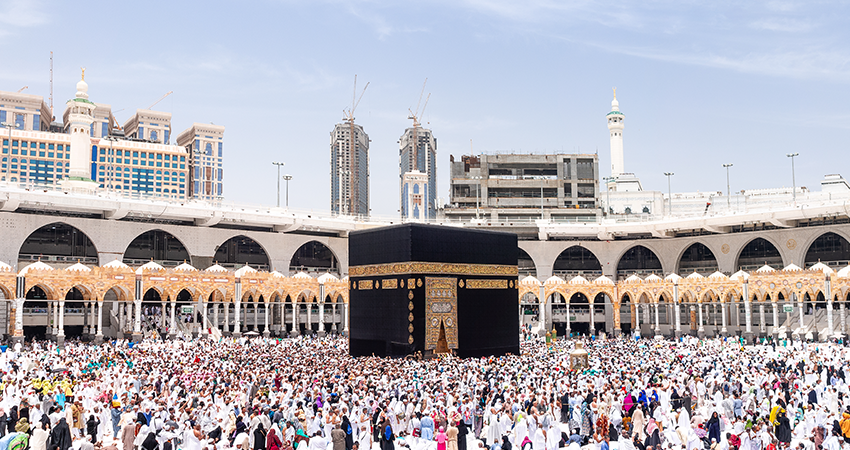
The Cost of Umrah in Ramadan is usually much higher than at other times, mainly because flights and rooms near the Haram are in heavy demand. Your final figure will depend on your travel dates, hotel distance, room arrangements and how early you book, with the last ten nights generally costing the most.
This is where people often get it wrong: they compare only the flight fare and hotel rate. The real budget also includes baggage, airport transfers, travel between Makkah and Madinah, food, local taxis, card charges, laundry, medication and the inevitable last-minute purchase.
After organising Ramadan trips for families, elderly parents and first-time pilgrims, we usually advise building the budget around physical needs first. A cheaper hotel is not a saving if an elderly pilgrim cannot manage the walk, the shuttle is full at prayer time, or the family needs several taxis each day.
You do not need luxury to perform Umrah comfortably. You do, however, need an honest plan. Work out what must be paid before departure, what you are likely to spend each day, and how much emergency money should remain untouched.
Why does Ramadan Umrah cost so much more?
Demand is the main reason. Large numbers of pilgrims travel to Makkah during Ramadan, putting pressure on flights, hotels, transfers and local services. Prices rise throughout the month, but the last ten nights are especially busy because many pilgrims want to spend that period close to the Haram.
Accommodation usually shows the sharpest difference. Rates near the Haram can rise by 40% to 100%, particularly towards the end of Ramadan. Air fares also climb as seats fill, and direct routes are often the first convenient options to become expensive.
Availability matters just as much as price. Good-value rooms, family rooms and hotels with genuinely manageable walking routes may be booked months ahead. Pilgrims who wait are often left choosing between an expensive nearby property and a cheaper room much farther out.
That second option can look sensible on a booking screen. On the ground, it may mean waiting for a crowded shuttle, paying for taxis or walking farther than expected while fasting. Road closures and crowd controls can also prevent a taxi from dropping you exactly where you assumed it would.
Early planning will not make Ramadan cheap, but it gives you more control. You can compare sensible flight times, inspect room arrangements and choose a location before the best practical options disappear.
What should go into the total budget?
Start with the major items, then add the less obvious daily costs. A realistic Cost of Umrah in Ramadan should include everything from checked baggage to the journey home, not merely the headline package price.
Flights Air fares to Jeddah or Madinah can rise by 30% to 70% during Ramadan. The last ten days are normally the costliest. Check whether the fare includes checked baggage, meals and seat selection; a low basic fare can become much less attractive once those extras are added.
Accommodation Rooms near the Haram are one of the largest expenses. Budget hotels that may usually cost SAR 300–400 per night can reach SAR 600–900 in Ramadan, while mid-range and premium properties can rise further. Room occupancy also matters. Confirm how many proper beds are supplied rather than assuming every listed guest receives one.
Visa and insurance Umrah visa fees generally remain the same through the year, although travel insurance premiums may increase slightly because of higher travel volume. Check what insurance is included, what medical situations are covered and whether you need separate protection for your particular circumstances.
Transfers and intercity travel Airport pickups and journeys between Makkah and Madinah become busier in Ramadan. Pre-booking can be more cost-effective than negotiating after arrival, especially for a family with several suitcases. Give the company your actual luggage count; a vehicle that seats everyone may still have too little boot space.
Food and daily spending Iftar and suhoor can be included, partly included or charged separately. Read the meal terms carefully. Add bottled water, snacks, laundry, toiletries and occasional restaurant meals to the calculation rather than treating them as negligible.
Is a hotel near the Haram worth paying more for?

Sometimes, yes. Accommodation takes a large share of the Cost of Umrah in Ramadan, but the cheapest room is not automatically the cheapest trip. A well-located hotel can reduce taxi spending and preserve the energy you need for tawaf, prayers and the walk back through heavy crowds.
Do not judge distance by the number shown beside the hotel name alone. Ask where the route begins, which entrance pilgrims normally use, whether there are slopes or steps, and how long the walk feels at prayer time. A stated 400-metre walk feels very different with a pram, a wheelchair or an elderly parent after tawaf.
Lifts deserve attention too. A tall hotel may be close to the Haram, yet guests can spend a long time waiting for lifts before and after congregational prayers. Families should ask about connecting rooms, cot availability and whether breakfast or suhoor service creates queues at the busiest times.
Hotels farther away can still be good value if the shuttle is frequent and the boarding point is convenient. Ask whether it runs around every prayer, where it drops passengers and what happens during road restrictions. “Free shuttle” is not enough information.
When comparing properties, use maps, recent location details and platforms such as hotels in Makkah to check the claimed walking distance. Then match the route to the least mobile person in your group, not the fittest.
Pack with that walk in mind: supportive sandals, blister plasters, a small refillable bottle, a light prayer mat and a compact bag that leaves both hands free. Heavy shopping bags become tiresome surprisingly quickly.
When should flights be booked?
Flights are a major part of the Cost of Umrah in Ramadan, and waiting for a dramatic last-minute reduction is risky. Booking around 4 to 6 months ahead usually gives you a better choice than leaving it until the final two months, particularly if you need direct flights or specific school-holiday dates.
Use comparison sites and fare alerts, but compare the finished price. Add baggage, seats and any payment charges before deciding. Also check arrival time: landing very late with children and then waiting for luggage and a transfer can turn a cheap itinerary into an exhausting first night.
Indirect flights may save money, provided the connection is sensible. A long or overnight layover is easier for a fit solo traveller than for an elderly couple, a baby or someone travelling in ihram. Check whether bags are transferred automatically and whether a terminal change is required.
If your dates are flexible, compare different parts of Ramadan. The final ten nights usually carry the greatest premium. Returning a few days before Eid can sometimes produce a lower fare than joining the last rush, although that choice naturally depends on the worship plans that brought you there.
Package prices are worth checking against separate bookings. Do not compare totals alone: match the same baggage allowance, room type, meal plan, transfer arrangement and cancellation terms.
Which extra charges catch pilgrims out?
Baggage is a common one. Pilgrims may budget for the outward allowance but forget that gifts, dates and extra clothing make the return case heavier. Weigh bags at the hotel before leaving rather than discovering the problem at the airport counter.
Seat selection, excess luggage and meals can all be charged separately by airlines. Currency conversion fees and foreign transaction charges also chip away at the budget. Airport exchange counters may offer less favourable rates, so arrange a sensible mix of payment card and cash beforehand.
Local transport is another weak spot. If the hotel is not comfortably walkable, one taxi in the plan can become several journeys each day. During busy periods, fares and waiting times may rise, while pickup points can move because of crowd controls.
Allow for hotel service charges, tips, laundry and basic medicine. Carry familiar essentials such as prescribed medication, oral rehydration sachets, plasters, unscented toiletries where required and copies of prescriptions. Buying everything after arrival costs money and takes time when you would rather be resting.
Keep an emergency amount separate from shopping cash. It should cover an unexpected transfer, medical need, replacement item or altered travel arrangement. If it remains unused, excellent. That is what emergency money is for.
Where can you save without making the trip harder?
Book early, but only after checking the cancellation and amendment conditions. Plans can change, and a non-refundable bargain may become expensive if one family member cannot travel.
Choose location over decorative extras. A clean mid-range room on a practical route often serves pilgrims better than a luxurious property requiring daily transport. At the same time, do not pay a large premium merely for a famous hotel name if a nearby alternative offers the access and room layout you need.
Group packages can provide value, especially where transfers and guidance are included. Read the itinerary carefully. Some low package prices rely on distant hotels, shared rooms or transport at fixed times, leaving little flexibility for families and older travellers.
Food is another area where small decisions help. If meals are included, check the service hours and whether they suit your routine. Local restaurants may cost less than hotel buffets, but queues just before iftar can be long. Buy simple items before the rush, keep a few shelf-stable snacks in the room and never compromise on hygiene merely to save a little.
Set a separate gift budget before departure. Shopping expands to fill whatever cash is available. Make a short list, agree the amount with the family and leave large purchases until you know your baggage space.
Most importantly, protect your stamina. Walking back to a distant hotel once may seem manageable; repeating it while fasting, in crowds, after late-night prayers is a different calculation.
How should families, older people and solo pilgrims budget?
Families need to examine room layout, not only occupancy. Connecting rooms may cost more but can be far more practical than separating adults and children across different floors. Ask about extra beds, breakfast entitlement for children, pram storage and lift access. A lightweight folding pushchair can help, though crowd restrictions may limit where it can be used.
Elderly pilgrims should normally prioritise proximity, reliable lifts and a straightforward route. Saving on the hotel makes little sense if fatigue prevents them from attending prayers or requires repeated taxi journeys. Arrange airport assistance early where needed, and pack medication in hand luggage rather than checked baggage.
First-time pilgrims tend to spend more because every decision is made in unfamiliar surroundings. Confirm transfers, hotel location and room terms before departure. Keep the hotel address saved on each phone and on a printed card, particularly for anyone who may become separated from the group.
Solo pilgrims have more flexibility. A shared room, sensible indirect flight or shared transfer may reduce costs considerably. Still, check who organises the arrangement, where you will be dropped and whether late-night transport is dependable.
There is no single correct Ramadan Umrah budget. The right amount depends on health, mobility, family size, departure city and the level of uncertainty you can comfortably manage.
How do you judge value rather than the lowest price?
Put each option on the same footing. Compare the full flight fare, total room cost, taxes, meals, transfers and likely local transport. Then consider the non-financial cost: extra walking, long connections, uncertain shuttles and time lost in queues.
A nearby hotel may lower your overall Cost of Umrah in Ramadan even if its room rate is higher. Equally, a slightly more distant hotel may be perfectly suitable for fit adults if its shuttle is dependable. The answer changes with the people travelling.
You can use Makkah hotels for Umrah alongside maps and hotel details when checking locations. Whatever platform you use, ask direct questions and save written confirmation of the room type, meal plan and cancellation terms.
Be cautious with deals that are far below comparable prices. Look for omitted taxes, shared occupancy, distant accommodation or transfers that are not actually included. Cheap is useful only when the arrangement still works after you land.
What should your final Ramadan Umrah budget look like?
Divide the money into three parts: costs paid before travel, expected daily spending and an emergency reserve. Include flights, visa and insurance, accommodation, transfers, meals, local travel, baggage and shopping. Add a small allowance for laundry, medicine and changes of plan.
The strongest savings usually come from early decisions, not small sacrifices after arrival. Secure suitable flights, choose a workable hotel route and understand what is included before paying. Once in Makkah, your attention should be on worship rather than repeatedly solving transport and room problems.
If you want another place to compare accommodation near the Haram, HotelsInMakkah.com lists hotel and location information. Treat it as one part of your checking process, and always choose according to your group’s mobility and budget.
Questions pilgrims regularly ask
Why is the Cost of Umrah in Ramadan higher than in other months?
Demand for flights, rooms and services rises sharply, especially during the last ten nights. Limited availability then pushes up prices and leaves fewer practical budget options for late bookers.
How can I spend less without giving up basic comfort?
Book early, compare complete prices and choose a practical location rather than paying for luxury. Avoid a hotel that requires frequent taxis unless the saving still works after transport is added.
What are the main Ramadan Umrah expenses?
The largest items are usually flights and accommodation, followed by visa and insurance, airport and intercity transfers, food and local transport. Baggage, laundry, card fees and shopping should also be included.
Which hidden costs should I allow for?
Common surprises include extra baggage, seat selection, foreign transaction charges, taxi fares, hotel service charges, medication and last-minute transport. Keep a separate emergency reserve for these situations.
Is a package better than booking separately?
Neither method is always cheaper. A package can simplify transfers and group arrangements, while separate booking offers more control over flights and hotel choice. Compare identical inclusions before deciding.
Also Read This
A Complete Guide to Umrah in Ramadan
Is Umrah in Ramadan Worth It? Rewards & Practical Tips
Performing Umrah in Ramadan: What You Need to Know
Umrah in Ramadan vs. Other Months: Which is Best?
How to Plan Umrah in Ramadan: A Step-by-Step Guide
When you’re ready to price a stay, you can compare Madinah hotels near the Prophet’s Mosque and see what fits your dates and budget.
You Might Also Like
Akhil Shariff ✓
Umrah Specialist with 10+ years experience
Akhil Shariff is an Umrah specialist with over 10 years of experience arranging hotels, transfers and ziyarath for pilgrims travelling to Makkah and Madinah. He works with hotel partners on the ground in both cities and reviews every guide against what pilgrims actually report back.
🏆 Verified Expert
Frequently Asked Questions About Cost of Umrah in Ramadan
- Why is Umrah so much more expensive during Ramadan?
- Ramadan Umrah costs more because demand for flights, hotels, and local services rises sharply, peaking in the last ten nights. This pressure pushes up prices and limits affordable options, especially for rooms near the Haram and convenient transport.
- Will booking a cheaper hotel farther from the Haram really save money?
- A cheaper distant hotel can backfire if you need frequent taxis, crowded shuttles, or long walks, especially for elders. Increased local transport and fatigue may offset any savings. Always consider your group’s mobility before booking far from the Haram.
- When should I book flights for Umrah in Ramadan?
- Booking flights around 4 to 6 months ahead usually gives you better options and prices. Waiting risks both higher fares and fewer convenient itineraries, especially for families or those needing direct flights or specific travel dates.
- What hidden costs do people often miss when planning Ramadan Umrah?
- Pilgrims often forget about baggage charges, airport transfers, local taxis, meals not included, laundry, medication, and card transaction fees. Extra costs like shopping, medicine, and emergency expenses quickly add up if not planned for in the budget.
- Is it worth paying more for a hotel close to the Haram?
- Staying near the Haram can reduce taxi costs, walking distance, and fatigue, especially for families and older pilgrims. However, the closest hotels can be the most expensive. Weigh the higher price against your group’s needs and physical ability.
- How should families with kids or elderly pilgrims budget differently?
- Families and elderly pilgrims should focus on practical room arrangements, location, and reliable lifts, not just price. Saving on a distant hotel can lead to extra costs and more exhaustion. Connecting rooms and easy routes are often worth the premium.
- Are group packages a good way to save money during Ramadan Umrah?
- Group packages can be good value if transfers and guidance are included, but always check hotel location, room sharing, meal plans, and flexibility first. Low prices may rely on distant hotels or fixed transport, which may not suit families or older travellers.
- What’s the best way to avoid overspending on gifts and shopping during Umrah?
- Set a separate gift budget before you leave and make a short shopping list. Shopping can expand to fill any amount of cash or baggage space if not controlled. Leave major purchases until you are sure you have the space and allowance for them.
Ready to Book Your Umrah Journey?
Compare verified hotels in Makkah and Madinah with guaranteed best prices.
Browse Hotels →