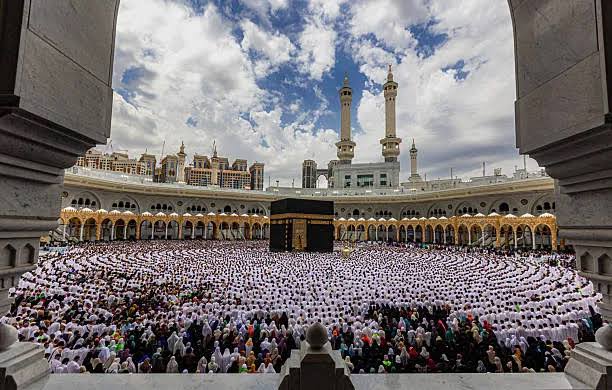
How to Plan Umrah in Ramadan: A Step-by-Step Guide
Plan Umrah in Ramadan — practical, evergreen guidance from our licensed Umrah specialists, written for pilgrims booking hotels in Makkah near Haram and our hotels in Madinah near the Prophet's Mosque. Every claim in this guide is verified against current Saudi Ministry of Hajj guidance and our own operational data from thousands of completed Umrah journeys. If you're planning your trip now, jump to our all-inclusive Umrah packages or read related deep-dives in the section below. Questions? Our WhatsApp team replies in under 30 seconds, 24/7.
Learn how to plan Umrah in Ramadan with this complete step-by-step guide. Get practical advice on booking, health preparation, hotel location, permits, and daily logistics for a smooth and spiritually rewarding pilgrimage.
Quick overview
Plan Umrah in Ramadan: quick overview
Learn how to plan Umrah in Ramadan with this complete step-by-step guide. Get practical advice on booking, health preparation, hotel location, permits, and daily logistics for a smooth and spiritually rewarding pilgrimage.
- Start planning 4-6 months before your intended trip.
- Book flights and hotels before Ramadan rates rise.
- Prepare digitally: download and verify Nusuk app and permits before travel.
- Choose a hotel based on honest walking routes, not just price or distance.
- Pace worship and walking realistically, especially if fasting or with elderly family.
- 🛡️ Licensed Travel Agency
- ⭐ 5-Star Rated Service
- 🏆 Best Umrah Service
- ✅ Verified Information
Key Takeaways
- Start planning 4-6 months before your intended trip.
- Book flights and hotels before Ramadan rates rise.
- Prepare digitally: download and verify Nusuk app and permits before travel.
- Choose a hotel based on honest walking routes, not just price or distance.
- Pace worship and walking realistically, especially if fasting or with elderly family.
To plan Umrah in Ramadan properly, start four to six months ahead, secure your travel and permits early, and build the trip around your health and energy rather than an overpacked worship schedule. The practical aim is simple: arrive prepared enough that queues, crowds and tired legs do not take over the journey.
Ramadan Umrah is demanding. You may be fasting in warm weather, walking repeatedly between the hotel and the Haram, waiting for lifts, and moving through crowds that become much heavier around prayer times. A distance that looks short on a hotel map can feel very different after Tawaf, especially with children, elderly parents or a wheelchair.
That does not mean the trip needs to feel overwhelming. I have found that most avoidable problems come from the same few decisions: booking too late, choosing a hotel without checking the real route, leaving permits until the final week, wearing the wrong footwear, and trying to do too much on the first day.
A sensible plan covers travel documents, accommodation, physical preparation, worship priorities and a realistic daily routine. Leave room for changes too. Gates may be redirected, roads may be crowded, and the quiet time you hoped for may not be quiet at all.
How early should you begin planning?
Begin four to six months before you intend to travel if you can. Ramadan creates strong demand for flights, rooms and permits, and the pressure becomes greater during the last ten nights. Starting early gives you choices; starting late often means accepting whatever flight time, room layout or hotel location remains.
Hotel rates near the Haram can increase by 50% to 100% during Ramadan, particularly in the last ten days. Flights can also become more expensive and less convenient as departure approaches. A cheaper itinerary may involve a long connection, an awkward arrival or a room that cannot comfortably hold the whole family.
Early planning is not only about price. It gives you time to check whether names on visas and tickets match the passports exactly, confirm baggage allowances, request mobility assistance and sort out any missing paperwork. If one traveller’s documents need correcting, you still have some breathing space.
This is where people often get it wrong: they book the first package that looks affordable without checking the daily reality. Ask which entrance the hotel faces, whether the walk includes a slope or road crossing, how busy the lifts become at prayer times, and whether breakfast or Suhoor is included. “Near the Haram” is too vague to be useful.
Once the main arrangements are fixed, turn your attention to preparation. Learn the Umrah sequence, begin walking regularly and discuss any health concerns with your doctor. Good organisation should create more space for worship, not turn the entire journey into a timetable.
Which digital arrangements must be completed before travel?
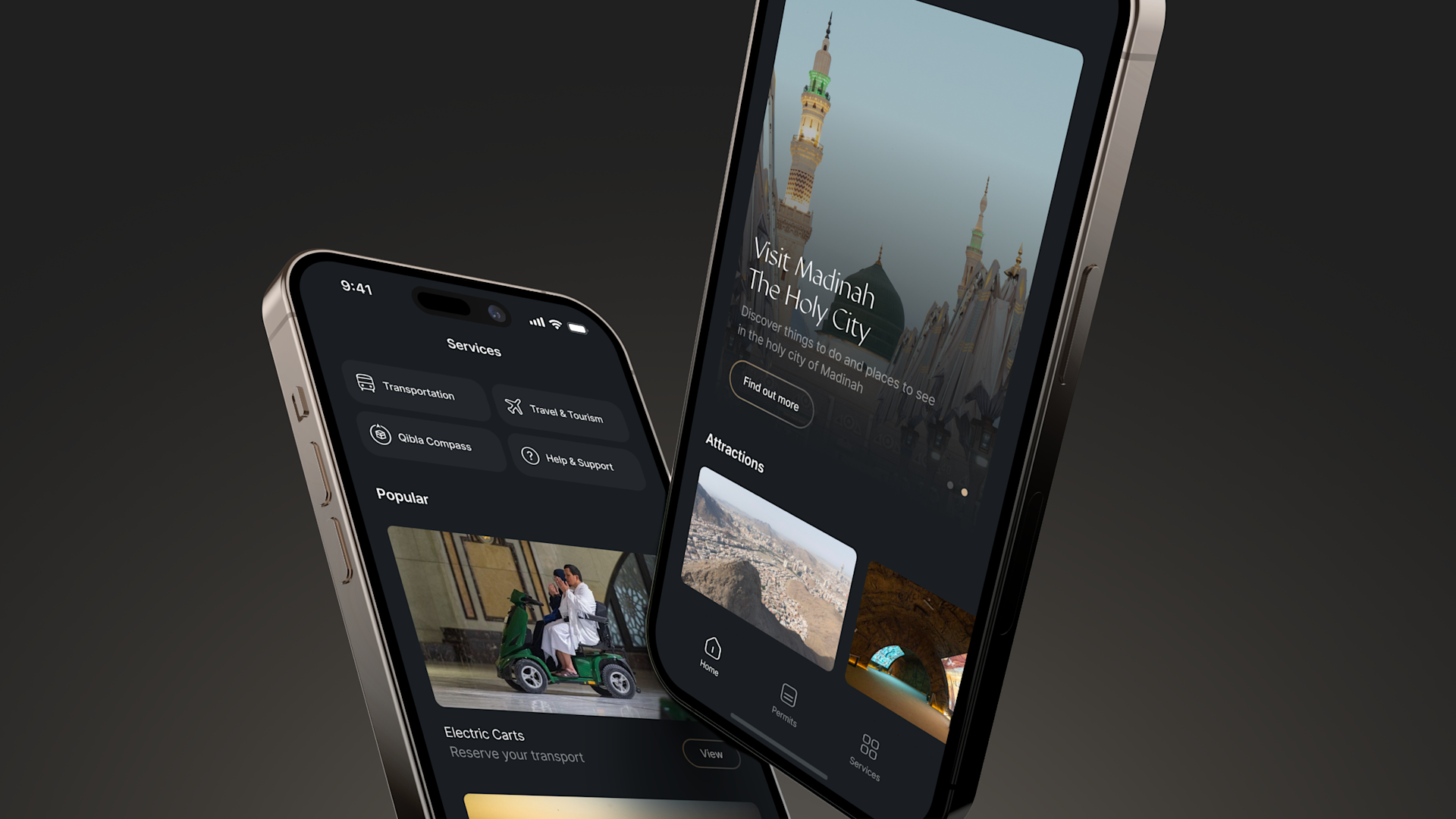
Sort out the digital side while you are still at home. Do not wait until you reach Makkah, when you may be tired, relying on hotel Wi-Fi or trying to help several family members at once.
Download the Nusuk app, register each traveller correctly and become familiar with the screens you may need. The platform is used for Umrah permits, Rawdah bookings and related services. Requirements and availability can change, so check the current instructions rather than relying on an old screenshot or a forwarded message.
Rawdah slots are especially sought after during Ramadan, with the last ten nights filling quickly. Check as soon as the relevant booking window opens. If your preferred time is unavailable, keep your wider itinerary flexible rather than building the entire trip around one hoped-for slot.
We usually tell families to complete registrations at least one month before travel where possible. That leaves time to deal with verification delays, an incorrect passport number or a phone that will not receive the required code. Make sure the account holder understands the app; it should not depend entirely on one relative who may be elsewhere when a permit needs to be shown.
Save the visa, tickets, hotel confirmation and permits on every relevant phone. Take screenshots that can be opened without internet access, store copies in secure cloud storage and print a small set as backup. Keep the hotel name, address and telephone number on paper as well. A flat battery should be an inconvenience, not a crisis.
How fit do you need to be for Ramadan Umrah?
You do not need to be an athlete, but you should prepare for much more standing and walking than an ordinary day at home. Tawaf and Sa’i are only part of it. There is also the walk to the mosque, movement within the complex, security diversions, searching for your group and waiting for lifts or transport.
Start walking regularly two to three months before departure. Build up gradually rather than doing one exhausting walk at the weekend. If you normally use a lift, include some gentle stairs where medically suitable. Wear the shoes you intend to take so that any rubbing or lack of support becomes obvious before the trip.
Warm-weather practice can help, but do not deliberately push yourself into dehydration. The purpose is to improve stamina, not to prove toughness. Anyone with diabetes, high blood pressure, breathing problems, joint pain or another medical condition should speak to their doctor about fasting, medication timing and the physical demands of the journey.
Carry enough prescribed medicine for the full stay, preferably with some margin for travel disruption. Keep it in original packaging and split essential supplies between hand luggage and another suitable bag where practical. A small kit with plasters, pain relief, rehydration salts and basic first-aid items is useful, but it does not replace medical advice.
Plan Suhoor around steady energy rather than a huge meal that leaves you uncomfortable. Familiar slow-digesting foods are usually easier than experimenting with a rich hotel buffet. Between Maghrib and Fajr, drink regularly instead of trying to take all your water at once. If a doctor has given you specific fluid or dietary instructions, follow those.
Which flight and hotel will make the trip manageable?
Book flights around the needs of the least mobile person in your group. A low fare loses its appeal if it includes a punishing connection, a middle-of-the-night transfer and no realistic chance to rest before Umrah. Where possible, allow time after arrival to check in, eat, hydrate and settle before beginning the rites.
Flights to Jeddah and Madinah generally become more expensive and limited as Ramadan approaches, particularly for the last ten days, so booking four to five months ahead can provide better options. Check the arrival airport, transfer arrangements, baggage allowance and Ihram plan before paying. Men travelling by air need to know where the Miqat falls on their route and when they will enter Ihram.
For accommodation, location matters more than the star rating printed beside the name. Check the actual walking route to the entrance you expect to use. A hotel may be geographically close but awkward in practice because of barriers, slopes, construction, crowded crossings or an entrance on the far side of a large building.
The walk also changes with the group. A distance manageable for two healthy adults can be hard with a pram, a wheelchair or an elderly parent. Then there are the hotel lifts. Just before and after prayers, several full lifts may pass before you can get in, especially on high floors. Ask about step-free access and room position rather than assuming both are straightforward.
Choosing a cheaper hotel farther away can work for fit travellers who are comfortable using a shuttle or taxi. It is not automatically a bad decision. The trade-off is less flexibility: traffic may delay you, shuttle queues can be long, and returning for a short rest may no longer be worthwhile.
If you are comparing locations, Makkah hotels for Umrah provides walking-distance information. Whichever booking service you use, verify the route yourself on a map and ask the hotel direct about access. Do not choose on price alone.
What should you do if the app or permit plan fails?
Digital preparation needs a backup because phones fail at inconvenient moments. Keep the Nusuk app updated, check that you can still log in and confirm that passport details are correct. Before leaving the hotel for an appointment, open the relevant permit and take a current screenshot if permitted.
For a family group, write down which account holds each booking. Parents often assume another relative has the children’s details, while that relative assumes everything is on the parent’s phone. Check together. Keep phones charged and carry a power bank, but remember that security staff may still need to see the live information required at the time.
If a Rawdah time is unavailable, do not buy access from unofficial sellers or trust strangers promising a guaranteed entry. Look for other available times through the official platform and keep checking legitimate updates. A Rawdah visit is deeply valued, but missing your preferred slot should not spoil the rest of the pilgrimage.
Arrive with enough time to find the correct gathering point, particularly in Madinah. Gate numbers and access arrangements can be confusing when crowds are moving quickly. Keep the group together, agree on a meeting place and do not leave an elderly person standing while someone walks off to ask directions.
Printed copies remain useful for identification and general reference, even where a digital permit is required. Store passport copies separately from the original passports. If one bag goes missing, you should still have access to your main details.
How should you pace yourself while fasting?
The mistake I see most often is a pilgrim arriving full of enthusiasm and using all their energy on the first day. Ramadan is not a one-session challenge. If you exhaust yourself immediately, sore feet and lost sleep can affect several days of worship.
Plan one demanding activity at a time. Tawaf, Sa’i, a long walk to the mosque and extended standing may each feel manageable separately; stacked together while fasting, they can become too much. Older pilgrims and anyone with a health condition may need a slower plan, a wheelchair or more hotel rest.
Protect the hottest part of the day for rest where possible. After returning to the room, wash, change socks, treat any developing blister and lie down before fatigue becomes severe. Short breaks are not wasted time. They may be what allows you to return for prayer with attention rather than simply enduring it.
At Iftar, keep a small accessible pack rather than burying everything in a large bag. Dates or another simple food, water for non-fasting hours, tissues and essential medication are easier to manage than a heavy picnic. Follow local rules about food and waste, and be considerate when spaces are tight.
Know the signs that you need help. Dizziness, confusion, unusual weakness or worsening pain should not be ignored for the sake of keeping a schedule. Speak to medical staff and follow professional advice. Religious questions about fasting and illness should be taken to a trusted scholar who understands your circumstances.
What spiritual preparation is genuinely useful?
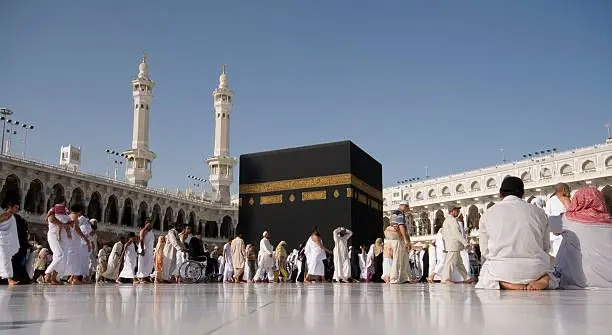
Prepare the heart as carefully as the suitcase. Begin with a clear Niyyah and think honestly about what you want from the journey. It helps to identify a few priorities rather than creating an impossible programme copied from somebody else.
Learn the order and basic rulings of Ihram, Tawaf, Sa’i and cutting or shortening the hair before departure. Men should know how to wear Ihram securely, and everyone should understand the restrictions that apply. Practise putting it on at home. The airport or coach is not the ideal place to discover that the cloth keeps slipping.
Keep your guidance simple and use a trusted source. First-time pilgrims sometimes become so worried about reading every line from a booklet that they stop looking where they are walking or lose contact with their group. Understand what is required, what is recommended and where there is legitimate flexibility.
Write a personal dua list on paper or in your phone. Include prayers for yourself and others, but do not feel you must read through pages at a particular spot. Dua can be made in your own language. A short list often helps more than a large document that becomes another task to complete.
Prepare for irritation too. Someone may push, a child may cry, a gate may close or your group may disagree about the route. Crowds do not always bring out the best in people. Patience, apology and letting a small matter go are part of the preparation.
When should you perform Umrah and how should you manage the gates?
There is no guaranteed quiet period in Ramadan. After Fajr and late at night can sometimes be easier than the busiest prayer periods, but conditions vary, especially in the final ten nights. Ask hotel staff or authorised personnel about current access and be willing to change your plan.
If you are fasting, consider whether performing Umrah after some food, water and rest will suit you better than beginning in the afternoon. Families arriving from a long flight often benefit from sleeping first. Starting tired can lead to arguments, lost belongings and confusion over where to meet.
A gate strategy is useful, but it must be accurate. In Makkah, identify the practical Haram entrance for your hotel and choose a clear meeting point outside the main flow of people. In Madinah, different gates of the Prophet’s Mosque serve different areas, and access for men, women and Rawdah appointments needs separate attention.
Take a photo of the gate number and nearby landmark when you enter. Do not rely on “the big clock side” or “near the shops”; those descriptions are not precise enough in a crowd. Children and older relatives should carry the hotel details and a contact number.
Leave earlier than you would outside Ramadan. The final part of the walk often slows sharply near prayer time, and security may redirect people to another entrance or prayer area. If you are using a wheelchair or pram, allow still more time for ramps, lifts and crowd control.
During the last ten nights, simplify the schedule. Decide which prayers and acts of worship matter most to your group, then protect energy for them. Flexibility is not poor planning; in Makkah during Ramadan, it is part of good planning.
What belongs in your Ramadan Umrah bag?
Pack light, but test the important items before leaving home. Comfortable, broken-in footwear is essential. Marble floors are unforgiving, and a small area of rubbing can become a painful blister after repeated walks. Take spare socks and a light shoe bag so footwear is easy to carry and identify.
Keep a small day bag for your phone, permit, room key, tissues, medication and a modest amount of food or water for the appropriate hours. It should be light enough to keep close to you. Large bags are awkward in crowded prayer areas and easier to leave behind.
Your health kit can include plasters, rehydration salts, basic pain relief and prescribed medicines. Choose unscented personal-care products for use while in Ihram and check any product you are unsure about. Carry a reusable water bottle if practical, but do not overfill your bag when water is available nearby.
Bring a reliable power bank, charging cable and suitable adapter. A small torch can help in a dark hotel room without waking everyone, though a phone light is often sufficient. Label chargers and power banks; identical black cables disappear quickly in shared rooms.
For clothing, choose loose, breathable layers that wash and dry easily. Take enough Ihram cloths or suitable garments for your plan, but remember that laundry services or handwashing may be available. A light outer layer can be useful in strong air conditioning.
Keep passport, visa, tickets, booking confirmation and permit copies organised in one slim folder. Put emergency contacts, medical information and the hotel address in a small notebook. Avoid taking jewellery, unnecessary electronics and “just in case” items that add weight without solving a likely problem.
Which planning mistakes cause the most trouble?
The first is judging a hotel by the advertised distance alone. Check the route, entrance, slope, lifts and road access. If a shuttle is involved, ask where it drops passengers and whether the service changes around prayer times.
The second is ignoring fitness. Pilgrims may assume spiritual determination will carry them through, then discover that their knees or feet cannot match the programme. Regular walking two to three months beforehand is basic preparation, not an optional extra.
Another is delaying Nusuk registration and permit checks. Technical problems are far easier to solve from home than from a crowded hotel lobby. Complete the setup early, verify everyone’s details and keep backups.
Overplanning is just as troublesome as having no plan. A schedule that allows no time for lift queues, meals, sleep or a slower family member will collapse quickly. Build each day around a few priorities and accept that some optional activities may need to be dropped.
Families also forget to set a meeting point. Mobile signals, batteries and messaging apps can all let you down. Agree on one specific, safe place and explain what each person should do if separated. Young children should know not to wander in search of the group.
Finally, do not underestimate the final ten nights. Crowds rise, movement slows and the easiest route may change. Lower the number of journeys between the hotel and Haram, carry only what you need, and protect the patience of the group.
What should be on your final checklist?
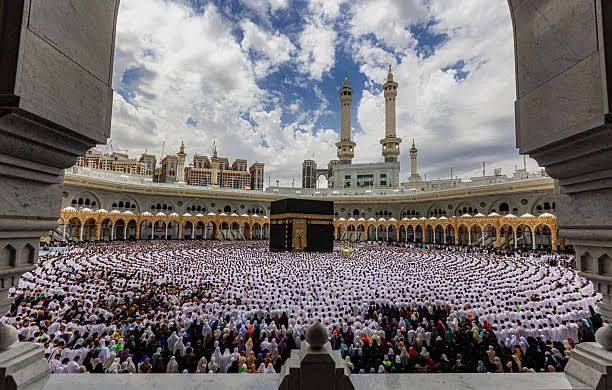
A good Ramadan Umrah plan should reduce decisions once you arrive. It cannot remove crowds or fatigue, but it can stop ordinary logistical problems from consuming the time and attention you hoped to give to worship.
Before departure, work through this list:
- Book flights and accommodation four to six months ahead where possible.
- Check passport names, visa details, baggage rules and airport transfers.
- Confirm the actual walking route between the hotel and Haram.
- Download Nusuk, complete registrations and check current permit requirements.
- Save digital copies and carry a small set of printed documents.
- Build stamina with regular walking for two to three months.
- Discuss medical conditions, fasting and medication timing with your doctor.
- Learn the Umrah rites and prepare a short personal dua list.
- Pack broken-in footwear, plasters, medicines, chargers and a power bank.
- Set a clear family meeting point and share the hotel contact details.
- Plan rest periods instead of filling every hour with activity.
Then check the plan once more from the viewpoint of the oldest, youngest or least mobile traveller. Can that person manage the hotel walk? Are the transfers realistic? Is there enough rest after arrival? If the answer is no, adjust the itinerary before travel rather than hoping it will somehow work on the ground.
For hotel comparisons and realistic location details near the Haram, you can visit HotelsInMakkah.com. Wherever you book, confirm the room, route and access directly before departure.
Plan carefully, but hold the plan lightly. Ramadan in Makkah has its own rhythm, and the pilgrims who cope best are usually those who arrive prepared, pace themselves and adapt without letting a changed gate or missed slot dominate the journey.
Also Read This
Umrah in Ramadan vs. Other Months: Which Is Best?
Performing Umrah in Ramadan: What You Need to Know
Is Umrah in Ramadan Worth It? Rewards and Practical Tips
A Complete Ramadan Umrah Guide for Pilgrims
Cost of Umrah in Ramadan: Budgeting and Money-Saving Tips
When you’re ready to price a stay, you can compare Madinah hotels near the Prophet’s Mosque and see what fits your dates and budget.
You Might Also Like
Akhil Shariff ✓
Umrah Specialist with 10+ years experience
Akhil Shariff is an Umrah specialist with over 10 years of experience arranging hotels, transfers and ziyarath for pilgrims travelling to Makkah and Madinah. He works with hotel partners on the ground in both cities and reviews every guide against what pilgrims actually report back.
🏆 Verified Expert
Frequently Asked Questions About Plan Umrah in Ramadan
- How early should I book flights and hotels for Ramadan Umrah?
- Book flights and hotels four to six months in advance for best choice. Waiting until closer to Ramadan means higher prices, fewer options, and possibly inconvenient routes or room layouts. The final ten nights are especially busy, so early booking avoids stressful compromises.
- Do I need to use the Nusuk app before I arrive for Umrah?
- Yes, every pilgrim should download and register on the Nusuk app before arriving. It is required for Umrah permits, Rawdah bookings, and related services, and completing registrations at home reduces problems like verification delays or missing codes once in Makkah.
- What kind of physical preparation should I do for Umrah in Ramadan?
- Start walking regularly two to three months before your trip to build stamina. Expect much more walking and standing than you do at home, and practise in the footwear you plan to take. Consult your doctor if you have diabetes, joint pain, or other health conditions.
- How do I choose a hotel that’s really close to the Haram?
- Check the actual walking route from your hotel to the Haram, not just the stated distance. Ask about entrance location, potential slopes or crossings, lift crowding, and step-free access. Physical obstacles or crowded areas may make a short distance feel much harder, especially for families.
- What should I do if the Nusuk app or my permit is not working?
- Take screenshots of permits in advance so you have backup even if the app fails. Keep printed copies of all important documents, and make sure each family member knows which account holds their booking. If problems persist, speak to authorized personnel or staff for help—never use unofficial sellers.
- How much worship and walking should I plan for each day?
- Plan one demanding activity at a time and leave room for breaks, especially when fasting. Overloading your schedule can leave you exhausted for days. Prioritize comfort and rest, particularly for children, elderly or anyone with health issues—it’s better to do less with focus than struggle through fatigue.
- What should I know about meal planning and hydration during Ramadan Umrah?
- Plan Suhoor with simple, familiar foods for steady energy, and drink regularly between Maghrib and Fajr. Don’t try to hydrate all in one go. Follow specific medical dietary advice, and pack essentials like dates, water and any needed medications for Iftar in an accessible spot.
- When is the best time to perform Umrah rituals during Ramadan?
- There’s no guaranteed quiet time; Fajr or late at night can be easier than main prayer periods, but this varies. Ask hotel staff about current crowd patterns. If arriving after a long journey, resting before starting the rites can prevent fatigue and confusion.
Ready to Book Your Umrah Journey?
Compare verified hotels in Makkah and Madinah with guaranteed best prices.
Browse Hotels →