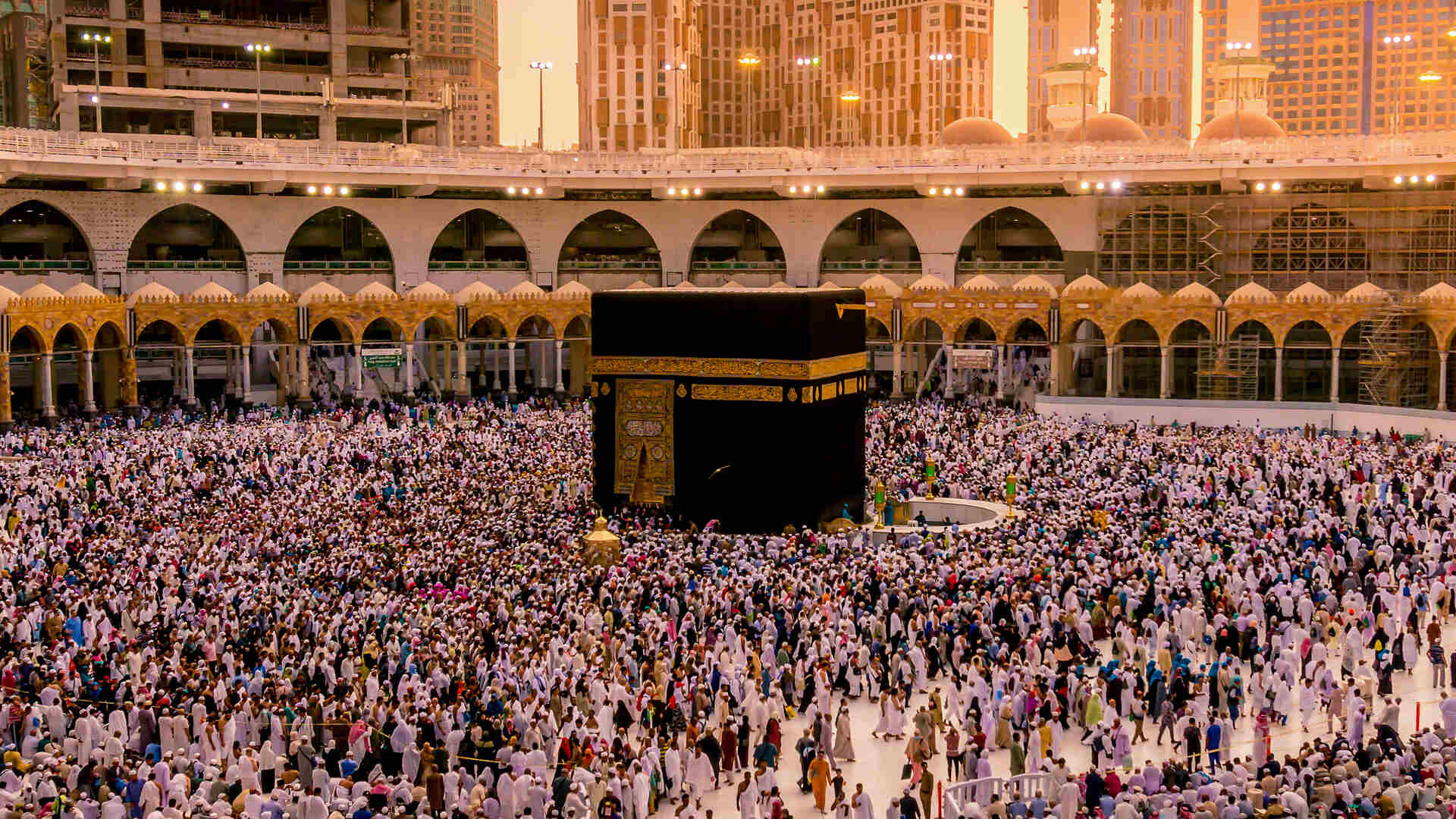
How to Avoid Crowd During Ramadan Umrah: A Step-by-Step Guide
Avoid Crowd During Ramadan Umrah — practical, evergreen guidance from our licensed Umrah specialists, written for pilgrims booking hotels in Makkah near Haram and our hotels in Madinah near the Prophet's Mosque. Every claim in this guide is verified against current Saudi Ministry of Hajj guidance and our own operational data from thousands of completed Umrah journeys. If you're planning your trip now, jump to our all-inclusive Umrah packages or read related deep-dives in the section below. Questions? Our WhatsApp team replies in under 30 seconds, 24/7.
You cannot completely avoid crowds during Ramadan Umrah, but you can greatly reduce pressure by choosing less busy times, using upper floors, and staying flexible. Plan each mosque visit around prayer movement, adapt if conditions change, and prioritize your group’s condition to make the experience manageable and safer.
Quick overview
Avoid Crowd During Ramadan Umrah: quick overview
You cannot completely avoid crowds during Ramadan Umrah, but you can greatly reduce pressure by choosing less busy times, using upper floors, and staying flexible. Plan each mosque visit around prayer movement, adapt if conditions change, and prioritize your group’s condition to make the experience manageable and safer.
- No genuinely empty periods exist during Ramadan, especially the last ten nights.
- Late night after Taraweeh or early morning can be less crowded.
- Upper floors or roof offer more space but require longer Tawaf circuits.
- Move at your group’s slowest member’s pace to maintain safety.
- Arrive early for prayers or Iftar, but always have a backup plan.
- 🛡️ Licensed Travel Agency
- ⭐ 5-Star Rated Service
- 🏆 Best Umrah Service
- ✅ Verified Information
Key Takeaways
- No genuinely empty periods exist during Ramadan, especially the last ten nights.
- Late night after Taraweeh or early morning can be less crowded.
- Upper floors or roof offer more space but require longer Tawaf circuits.
- Move at your group’s slowest member’s pace to maintain safety.
- Arrive early for prayers or Iftar, but always have a backup plan.
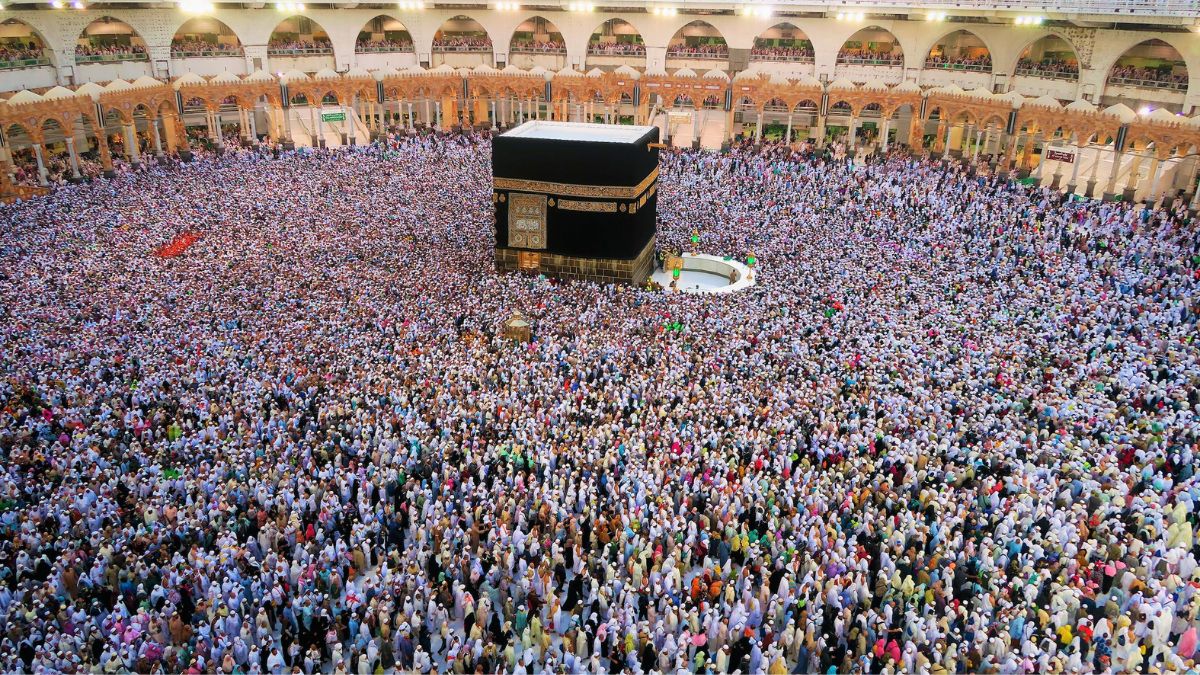
You cannot remove the crowds from Ramadan Umrah, but you can avoid the worst pressure by choosing your ritual times carefully, using less congested floors and planning every mosque visit around prayer movements. The biggest gains usually come from flexibility: if a gate is closing, a route is packed or your family is tired, stop forcing the original plan and change it.
Ramadan in Makkah is unlike an ordinary Umrah trip. The atmosphere is deeply moving, particularly during the night prayers, but the combination of fasting, long walks and tightly packed entrances can wear down even fit pilgrims. Before travelling, check your documents and the current official requirements for your Umrah journey, then build a daily plan that includes proper rest rather than treating every hour as available worship time.
First-time visitors often imagine the main challenge will be Tawaf itself. In practice, the difficult part may begin earlier: waiting for a lift, reaching the correct gate, being redirected by security or trying to keep a family together when the flow suddenly changes direction. The last ten nights are especially demanding. There may be no genuinely quiet period, only times that are more manageable than others.
That distinction matters. The aim is not to chase an “empty Haram”, because in Ramadan you are unlikely to find one. It is to reduce unnecessary strain so that you still have the strength and patience to complete your rites properly.
What makes Ramadan crowds difficult in practice?
Masjid al-Haram fills and empties in waves. A passage that looked comfortable twenty minutes ago may become slow-moving as people arrive for prayer, leave after prayer or gather for Iftar. Security staff may also change access routes according to conditions on the ground. A gate you used in the afternoon is not guaranteed to be available that evening.
This is where people often get it wrong: they judge distance only by the hotel map. A short walk can become a much longer outing once you include lift queues, road crossings, barriers, gate diversions and the walk inside the mosque. With an elderly parent, a wheelchair or a sleeping child, the return journey feels longer still.
Crowd management is therefore part of safety, not merely comfort. Pushing ahead to save a few minutes rarely helps. It raises stress, separates groups and drains the energy you need for Tawaf and Sa’i. We usually tell families to move at the pace of their least mobile member and to agree in advance that nobody will turn back against the crowd to look for someone.
Carry as little as possible. A small cross-body bag is easier than a loose shopping bag in a compressed queue. Keep your phone, identification, hotel card, tissues and any essential medicine in fixed pockets. During non-fasting hours, carry water if permitted and suitable for your route. Bulky luggage does not belong in a Haram visit, and a large pram can become difficult when lifts and access points are busy.
When should you perform Tawaf and Sa’i?
There is no single quiet hour that works every night. Crowd levels change with prayer schedules, the stage of Ramadan and access controls. Even so, the period after Taraweeh and before Suhoor can sometimes be more manageable because some worshippers return to their accommodation. Do not assume it will be calm, particularly during the last ten nights.
The commonly suggested window of roughly 1 AM to 4 AM may offer better movement on some nights. It also has a trade-off: everyone in your party may already be tired, and you still need time for Suhoor and Fajr. Starting a full Umrah when an elderly pilgrim is exhausted is not good planning simply because the crowd appears lighter.
Between Dhuhr and Asr can also be less congested than the evening rush, though fasting and heat may make the outing physically harder. If you choose this period, rest beforehand, avoid unnecessary outdoor walking and do not underestimate dehydration. Fajr and Maghrib movements tend to be particularly busy because large numbers of people are arriving, leaving or preparing to break the fast.
Watch the direction of movement before entering a route. If streams of pilgrims are coming out after prayer, stand aside for a few minutes rather than pushing in against them. Those few minutes often save far more time than they cost.
Keep Tawaf and Sa’i in the same plan, but allow a sensible pause if needed. Sa’i is sometimes treated as the easier section; after seven circuits of Tawaf, however, tired legs, crowded approaches and the distance through the complex can make it feel substantial. Wear comfortable, broken-in footwear for the journey to and from the mosque, and keep it in a light shoe bag rather than relying on remembering a rack number in a huge crowd.
Should you use the Mataf, an upper floor or the roof?
The ground-level Mataf gives the closest view of the Kaaba, so naturally many pilgrims hope to perform Tawaf there. It is also the area most likely to feel intense. If movement is compressed or access is restricted, an upper level may be the wiser choice.
Upper-floor and roof circuits are longer. That is the honest trade-off. You walk farther, but you may gain steadier movement, more personal space and less jostling. For a pilgrim who becomes anxious in tight crowds, that can be far better than attempting the shortest possible circuit in heavy pressure.
Do not wait until the night of your Umrah to understand the building. On your first visit, identify the entrances nearest your accommodation, the route towards Sa’i, suitable toilets and the lifts or ramps your group may need. Take a photograph of the gate name or number. “Meet at the big clock” is not a useful family plan when thousands of other people can see the same landmark.
Wheelchair users and older pilgrims should follow the access route currently directed by mosque staff. Dedicated areas and routes can change with crowd controls. Lifts are often the hidden delay: a floor may be less crowded, yet reaching it with a wheelchair can involve a long wait. Build that time into the plan and let the wheelchair user enter the lift first rather than allowing the group to become split across separate lifts.
For families using a stroller, check whether it is accepted on the intended route before setting out. If it is not, you need a realistic alternative, not a last-minute argument at the entrance. A soft baby carrier may be practical for some parents, but only if it is already comfortable and safe for both parent and child.
How early should you arrive for prayers and Iftar?
Arriving early helps, but “early” is relative in Ramadan. Reaching the mosque 30–45 minutes before Taraweeh may improve your chance of finding a place on an ordinary busy night, yet it may not be enough during the busiest period. Access can close as sections fill, so always follow staff instructions and have a fallback prayer location in mind.
Iftar creates its own movement pattern. People begin settling well before Maghrib, while others are trying to enter carrying food or looking for relatives. If you want to break your fast inside the Haram, arrive with only simple food, sit where directed and avoid blocking a walkway. Dates and a small, secure packet are easier to manage than several containers and shopping bags.
Do not plan to arrive just after the adhan and expect the rush to have disappeared. Immediately after Maghrib there can be strong movement as people rearrange themselves, leave, enter or prepare for the next prayer. If your family is already in a safe place, staying put briefly may be better than joining the first outward surge.
A workable routine normally includes a daytime sleep and another short rest where possible. Trying to attend every prayer in the same place, perform a late-night Umrah and remain awake until Fajr can leave a family exhausted after one day. Protecting energy is not lost worship. It is what allows you to continue with patience.
What should you check on Nusuk before leaving?

Download the Nusuk app before travel, sign in and make sure each traveller’s details appear correctly. Where permits or bookings are required, arrange them in advance rather than trying to solve account problems in a hotel lobby shortly before departure.
Nusuk is particularly useful for checking available Umrah arrangements and Rawdah visit slots. Availability can fill quickly in Ramadan. Take a screenshot of confirmed details as a backup, but keep the app accessible because staff may need to see the current booking rather than an old image.
Technology helps, but do not build the entire day around a phone. Mobile data can be slow in dense crowds, batteries run down and people miss each other’s calls in noisy areas. Carry a small power bank, keep phones charged before leaving and write the hotel details on a physical card for children and older relatives.
Prayer notifications and any available crowd information can guide your decision, but conditions at the gate always take priority. If security redirects you, follow the route. Arguing that an app or map shows another entrance will not open a closed access point.
Which part of Ramadan is easier to manage?
The first fortnight generally offers a more manageable experience than the last ten nights. If your dates are flexible and your main concern is completing Umrah with an elderly relative or young children, performing the core rites earlier in Ramadan may be the more sensible choice.
The last ten nights attract many pilgrims seeking Laylatul Qadr, and crowd pressure rises accordingly. Anyone travelling then should expect route changes, full prayer areas and longer waits. Complete the obligatory practical tasks before the busiest nights: sort permits, learn the mosque layout and buy essential supplies. Do not spend a packed evening searching for a pharmacy item that could have been brought from home.
Thursdays to Saturdays can also bring more local and regional visitors. If you have several days in Makkah, consider placing your main Umrah on a weekday rather than automatically doing it the moment you check in. There is a caveat: waiting only helps if your permit, health and travel schedule allow it. A forecast of lighter crowds is never a guarantee.
Arrival day is another poor choice for many families. Flights, immigration, road transfers and hotel check-in take more out of people than expected. Unless timing requires otherwise, eat, sleep and orient yourself before starting the rites. A rested pilgrim makes calmer decisions.
How do you keep a family together safely?
Agree on one precise meeting point before each visit. It should be outside the strongest pedestrian flow and identifiable from both directions, such as a named gate or a particular hotel reception. Choose a second point in case the first becomes inaccessible.
- Give every person the hotel name, room number and two contact numbers on paper.
- Photograph children’s clothing before leaving so you have a current image if someone becomes separated.
- Keep essential medicines with the person who needs them, not in another relative’s bag.
- Use simple instructions: stop, move to the side and contact the group. Do not wander between gates.
- If someone remains missing, approach security personnel or an information desk promptly.
Groups should appoint a leader and a rear person. The leader sets a pace that everyone can follow; the person at the back checks that nobody has fallen behind. Avoid holding a long human chain across a walkway. It blocks others and can pull people off balance.
During non-fasting hours, drink enough water and eat food that gives sustained energy. Rehydration salts can be useful to carry, particularly for those prone to weakness, but anyone with a medical condition should follow professional advice. Dizziness, confusion, chest pain or severe breathlessness are not signs to “push through”. Move out of the flow and seek help.
Women, older pilgrims and anyone unsteady on their feet should avoid the centre of a forceful crowd. Stay towards a safer edge without blocking an exit. If pressure builds, keep your hands free, protect your balance and move with the directed flow rather than trying to turn sharply against it.
What does a realistic low-stress plan look like?
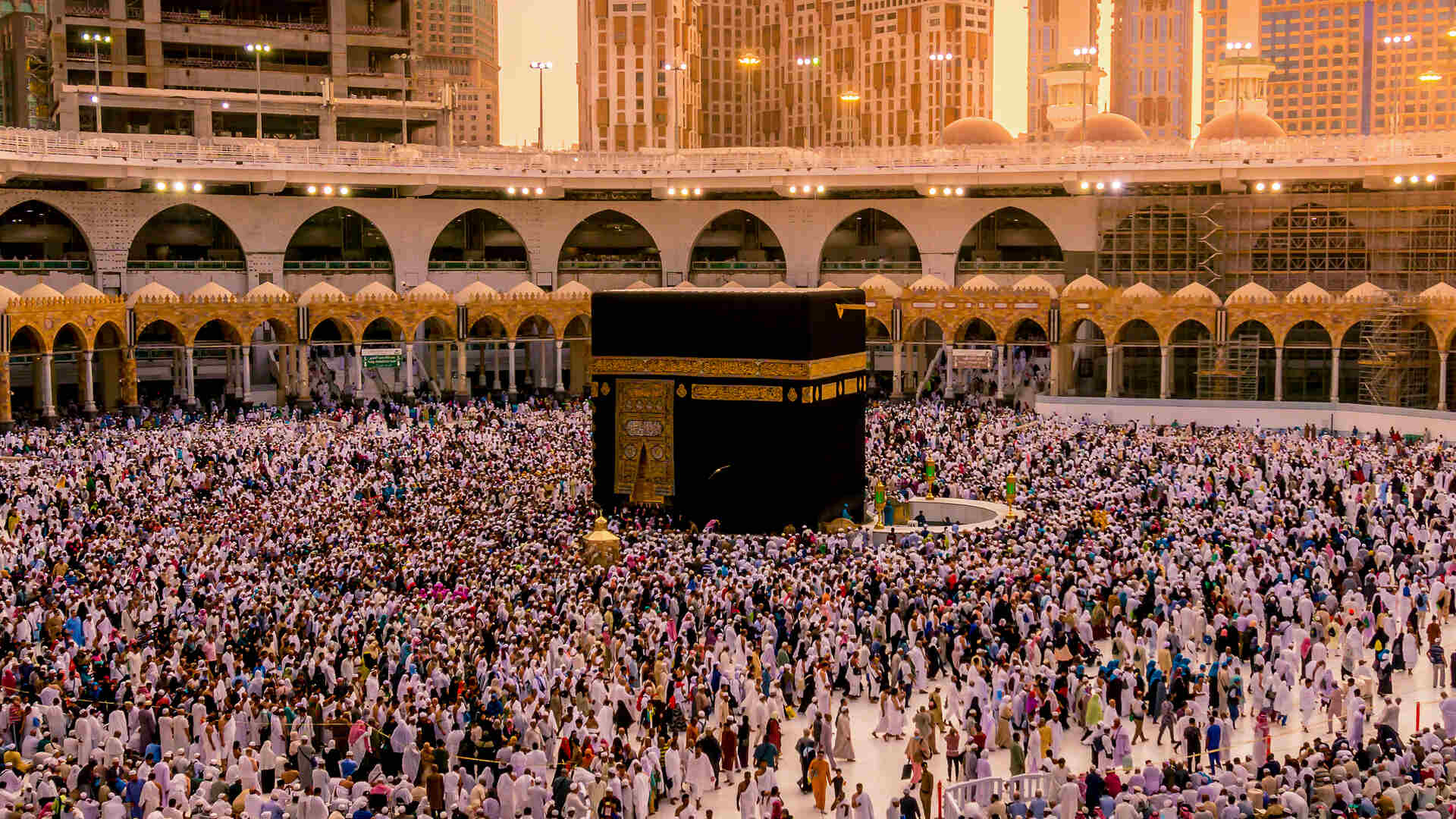
A sensible Ramadan Umrah plan starts with rest, a confirmed permit where required and a clear route from the hotel. Check the group’s condition before leaving. At the mosque, accept that the upper floor may be preferable to the Mataf, and allow enough time for lifts, diversions and Sa’i.
Keep the rest of that day light. Do not attach shopping, a distant restaurant and several visits to an already demanding Umrah. Return to the hotel, hydrate during permitted hours and sleep. This simple spacing usually does more for the quality of worship than an overfilled itinerary.
Hotel location can help, though the advertised distance never tells the whole story. Ask which entrance pedestrians actually use, whether the route has a steep section and how long the lifts take at prayer time. For verified hotels with realistic walking-distance information near the Haram, visit HotelsInMakkah.com. Wherever you book, judge the property by the practical route your family must manage, not only the distance shown on a map.
You will not avoid every queue or crowded passage in Ramadan. You can, however, avoid many of the situations that turn a demanding pilgrimage into an exhausting one. Stay flexible, listen to crowd-control staff and choose steady progress over the closest possible position.
Questions pilgrims often ask
1. How can I avoid the worst crowds during Tawaf?
Try a late-night period after Taraweeh or the early hours before Suhoor, while remembering that these times can still be busy. Check the group’s energy, observe the current flow and use an upper floor if the Mataf is heavily compressed.
2. Can I avoid crowds completely during Ramadan Umrah?
No. Ramadan, especially its last ten nights, draws very large numbers of worshippers. Good timing, flexible routes and less congested floors reduce pressure, but an empty Haram should never be the expectation.
3. Is 1 AM to 4 AM always the best time?
It can be a useful window after Taraweeh, but it is not reliably quiet every night. Suhoor, Fajr, the stage of Ramadan and access controls all affect movement. Use it as a planning option, not a promise.
4. Does staying close to the Haram solve the crowd problem?
It reduces travel time and makes it easier to return for rest, but nearby hotels may still have busy lifts and congested pedestrian routes. Ask about the actual walking route, not just the straight-line distance.
5. Can Nusuk help me choose a quieter visit?
Nusuk can help with required bookings, including available Umrah arrangements and Rawdah slots. It supports better planning, but live instructions from security staff and conditions at the mosque must guide your final movements.
Also Read This
Cost of Umrah in Ramadan: Budgeting & Money-Saving Tips
7 Common Mistakes to Avoid During Umrah in Ramadan
How to Plan Umrah in Ramadan: A Step-by-Step Guide
Umrah in Ramadan vs. Other Months: Which is Best?
Performing Umrah in Ramadan: What You Need to Know
When you’re ready to price a stay, you can browse every Makkah hotel with live nightly rates and see what fits your dates and budget.
You Might Also Like

Akhil Shariff ✓
Umrah Specialist with 10+ years experience
Akhil Shariff is an Umrah specialist with over 10 years of experience arranging hotels, transfers and ziyarath for pilgrims travelling to Makkah and Madinah. He works with hotel partners on the ground in both cities and reviews every guide against what pilgrims actually report back.
🏆 Verified Expert
Frequently Asked Questions About Avoid Crowd During Ramadan Umrah
- When is the best time to perform Tawaf with fewer crowds?
- The period after Taraweeh and just before Suhoor can be more manageable, but not truly quiet, especially in the last ten nights. The window around 1 AM to 4 AM sometimes offers steadier movement; however, your group’s energy and readiness are more important than chasing a quieter crowd.
- Is it realistic to expect an empty Haram during Ramadan?
- No, the Haram is never empty during Ramadan, especially during the last ten nights. Your goal should be to avoid unnecessary crowd strain, not to find a deserted mosque. Modify your schedule for safer, more manageable moments rather than searching for calm that rarely exists.
- Should I use the ground Mataf or choose an upper floor for Tawaf?
- The ground Mataf is closest to the Kaaba but usually most crowded and intense. Upper floors and the roof require a longer walk but provide steadier movement and more personal space. Choose the level that matches your comfort in crowds and your group’s mobility.
- How early do I need to arrive at the mosque for prayers or Iftar?
- Arriving 30–45 minutes before Taraweeh generally improves your chance of finding a spot, but access may close earlier during peak nights. Always have a backup plan, follow staff instructions, and for Iftar, bring only simple food to avoid blocking walkways.
- What is the safest way to keep my family together inside Masjid al-Haram?
- Agree on an exact meeting point before each visit, outside the main pedestrian flow. Give everyone written hotel and contact details, photograph children’s outfits, and use appointed leaders. Avoid turning back in crowds and seek help from staff if someone is missing.
- Which part of Ramadan is least crowded for Umrah?
- The first two weeks of Ramadan are generally more manageable than the last ten nights, when crowd numbers rise sharply. If you have the option and are worried about older family members or children, perform core rites earlier rather than closer to the end.
- Can I bring a stroller or large bag inside the mosque during busy periods?
- Strollers may not be accepted on all routes and can cause difficulties during crowd surges and lift waits. Check acceptance in advance and bring a soft baby carrier if suitable. Carry small bags only—bulky luggage and shopping bags complicate movement in compressed queues.
- What should I check on the Nusuk app before my trip?
- Download Nusuk and ensure every traveller’s details appear correctly. Book permits or slots in advance, as they can fill fast during Ramadan. Take screenshots of confirmed bookings but keep your phone accessible, because staff may need to see an active document; always follow live security instructions on-site.
Ready to Book Your Umrah Journey?
Compare verified hotels in Makkah and Madinah with guaranteed best prices.
Browse Hotels →