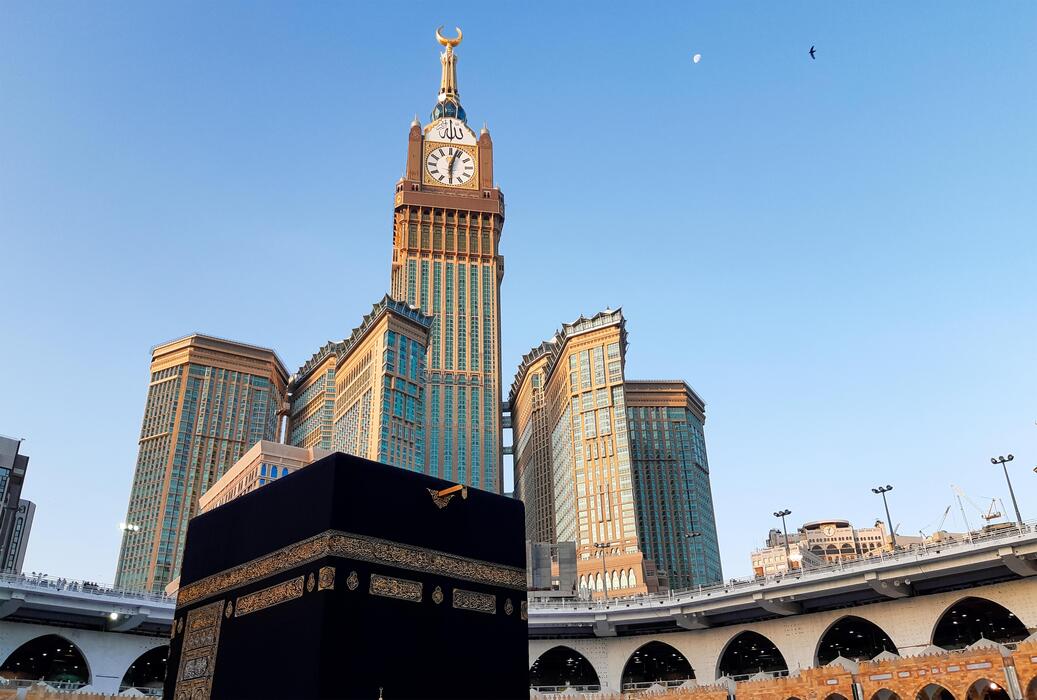
How to Save Money on Umrah Journey
How to Save Money on Umrah Journey — practical, evergreen guidance from our licensed Umrah specialists, written for pilgrims booking hotels in Makkah near Haram and our hotels in Madinah near the Prophet's Mosque. Every claim in this guide is verified against current Saudi Ministry of Hajj guidance and our own operational data from thousands of completed Umrah journeys. If you're planning your trip now, jump to our all-inclusive Umrah packages or read related deep-dives in the section below. Questions? Our WhatsApp team replies in under 30 seconds, 24/7.
Learn how to save money on Umrah journey with smart tips on flights, hotels, transport, and daily expenses while keeping your pilgrimage comfortable and peaceful.
Quick overview
How to Save Money on Umrah Journey: quick overview
Learn how to save money on Umrah journey with smart tips on flights, hotels, transport, and daily expenses while keeping your pilgrimage comfortable and peaceful.
- Book early and avoid busiest periods for better rates.
- Check total trip costs, not just hotel rates.
- Staying close to Haram can sometimes save overall.
- Agree on a budget and payment plan before booking.
- Group travel can cut costs if well-organised.
- 🛡️ Licensed Travel Agency
- ⭐ 5-Star Rated Service
- 🏆 Best Umrah Service
- ✅ Verified Information
Key Takeaways
- Book early and avoid busiest periods for better rates.
- Check total trip costs, not just hotel rates.
- Staying close to Haram can sometimes save overall.
- Agree on a budget and payment plan before booking.
- Group travel can cut costs if well-organised.
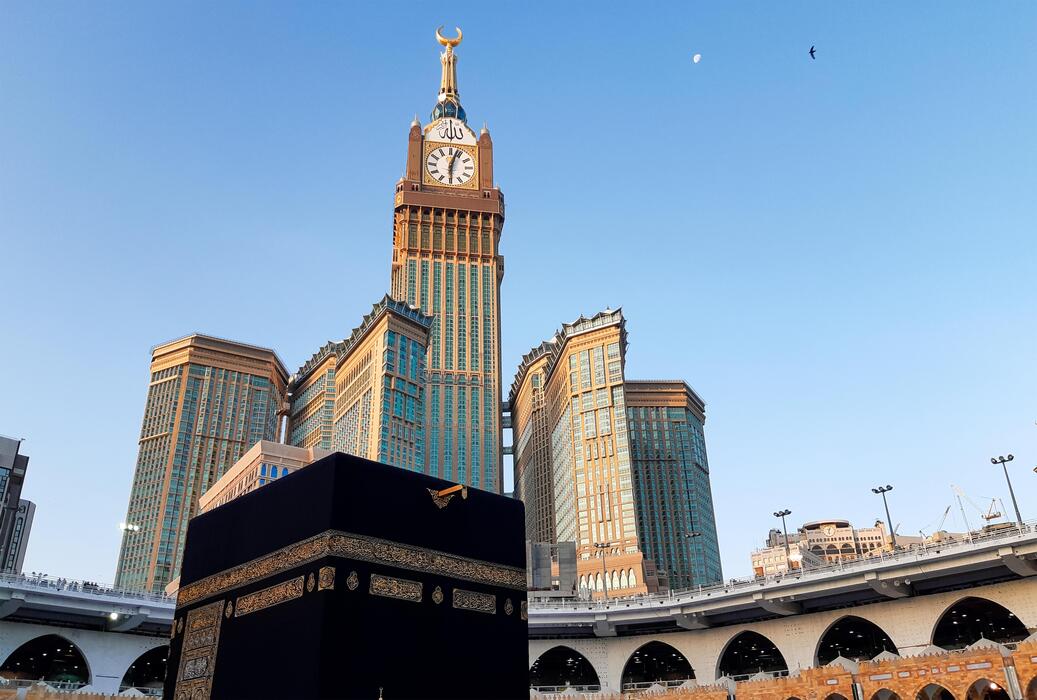
The best way to save money on an Umrah journey is to book early, travel outside the busiest periods, choose your hotel by total daily cost rather than room rate alone, and agree a realistic spending plan before leaving home. Done properly, you can reduce the cost of visiting Makkah, Saudi Arabia without making the trip exhausting for children, elderly parents or yourself.
Flights and accommodation usually take the largest share of the budget, but small daily expenses also add up: repeated taxi rides, hotel meals, bottled drinks, snacks and last-minute shopping. I usually tell families to compare the whole trip, not one attractive price on a booking page. A cheaper room several kilometres away may stop being cheap once transport, waiting time and missed rest are included. Start by listing flights, visas, rooms, transfers, food and local travel, then leave some money aside for changes or emergencies. If you are comparing affordable hotels near Masjid al-Haram, check the actual walking route as carefully as the rate.
Is it worth paying more to stay near the Haram?
Work out the cost of the room and the commute
A hotel close to Masjid al-Haram can cost more per night, yet still be the better-value choice. If you intend to attend several prayers each day, repeated taxis or shuttle journeys soon become tiring and expensive. Walking also gives you more control; you are not waiting for a vehicle while roads are busy or trying to find your driver among dozens of similar cars.
Check what “near” means on foot
This is where people often get it wrong. A hotel may look close on a map, but the usable entrance can be on the other side of the building, with slopes, crossings or crowded pavements in between. A short walk feels much longer after Tawaf, in heat, or while pushing a pram. Ask for the walking time to the gate you are likely to use, and check whether lifts become congested around prayer times.
Think about who is travelling
For a fit adult, a more distant hotel with a reliable shuttle may save money. For an elderly pilgrim, a wheelchair user or a family with small children, staying closer can reduce both transport costs and physical strain. Being able to return for a shower, medication or a short sleep between prayers is genuinely useful. Free basics such as prayer mats, Wi-Fi or Zamzam water are welcome, but they should not decide the booking on their own.
Which room type gives you the best value?
Choose function before views and extra space
Most pilgrims spend limited waking time in the room, so a clean standard room is often enough. Before paying for a suite or a Haram view, ask what the upgrade changes in practical terms. A quiet room, working air conditioning, suitable beds and dependable lifts usually matter more than the view. Confirm whether taxes, breakfast and extra beds are included in the final amount.
Can the family share comfortably?
Connecting rooms or a family room may cost less than several separate rooms, but read the bed arrangement carefully. “Family room” does not always mean everyone receives a proper bed. Ask whether an extra bed or cot is available, whether it carries a charge, and how much floor space remains once it is installed. Too many people in a cramped room can ruin sleep and make getting ready for prayer unnecessarily slow.
Do not pay for facilities you will not use
A larger room, premium floor or elaborate dining package may sound appealing during planning. In practice, many pilgrims need somewhere safe, clean and convenient to rest. Spend on an upgrade only if it solves a real issue, such as accessibility, separate sleeping space or a shorter walk to the lift. Otherwise, keep that money for transport, meals or unexpected changes.
How can you spend less on food?
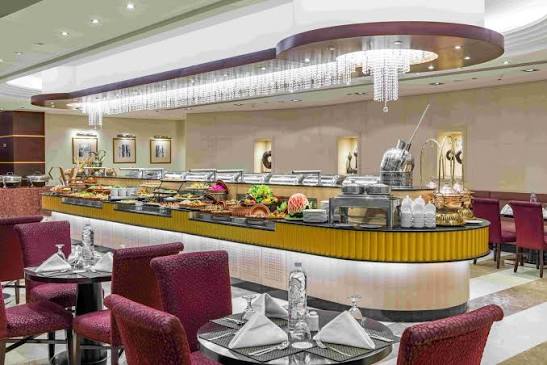
Eat where local workers and families eat
Food courts and small local restaurants are generally better value than hotel restaurants. Portions can be generous, so families should order gradually rather than buying one dish per person immediately. Takeaway meals are useful when children or older relatives need to eat in the room, but carry a few disposable spoons and tissues; these are easy to forget when everyone is tired.
Use breakfast if it is genuinely included
An included breakfast can cover the morning meal and reduce snack spending later. Check serving times against your prayer plans, however. Paying extra for breakfast is poor value if the family will regularly miss it or prefers simple food elsewhere. Fill reusable water bottles where permitted, and avoid buying drinks individually every time someone feels thirsty.
Pack a small supply of familiar snacks
Dates, dry fruit, plain biscuits and energy bars are useful between prayers or during transfers. Pack modest quantities in sealed bags rather than filling a suitcase with food. Anyone travelling with children, diabetes or dietary restrictions should carry suitable snacks in hand luggage, along with any essential medication. That prevents expensive, hurried purchases when the nearest option is not suitable.
How should families and groups divide the costs?
Agree the budget before anyone books
Group travel saves money only when expectations are clear. Decide who pays for rooms, airport transfers and shared meals, and record payments as they are made. One person should keep the booking references, while another family member has copies. Small misunderstandings over upgrades or private taxis can become uncomfortable during a journey meant for worship.
Share transport without overloading it
A larger vehicle divided among several passengers can be economical. Count suitcases as well as people before booking. A vehicle that technically seats the group may not hold everyone’s luggage, a folded wheelchair and a pushchair. Confirm the luggage capacity and collection point in writing so you do not need a second vehicle at the airport.
Keep some independence in the schedule
Not every outing needs the whole group. Older pilgrims may need more rest, while younger adults may wish to remain at the Haram longer. Forcing everyone into one timetable can lead to extra waiting and last-minute transport. Agree meeting points and room keys in advance, and make sure each person carries the hotel name and contact details.
Which comforts actually support your worship?
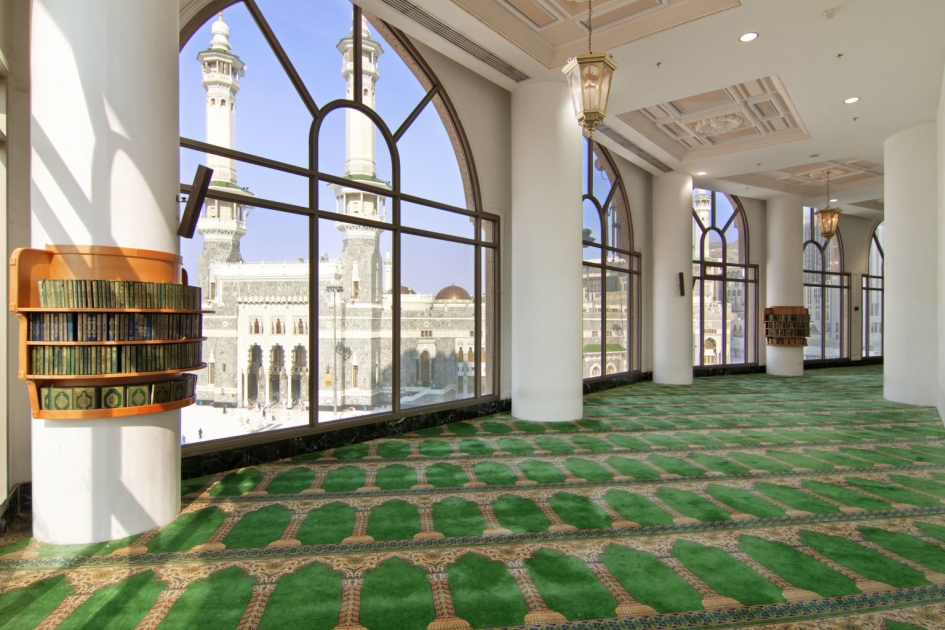
Pack the essentials, not half the house
Hotels commonly provide a Qibla indicator and prayer mat, though it is sensible to confirm rather than assume. Bring comfortable walking footwear, a light drawstring bag, unscented toiletries for ihram, basic medicines, charging cables and a labelled water bottle. Keep medication and one change of clothing in hand luggage in case checked bags are delayed.
Plan meals and rest around prayer
Flexible dining hours can prevent costly late-night food orders, but location matters more than a long list of facilities. A nearby room gives elderly pilgrims and families somewhere to rest between prayers. Do not treat rest as wasted time. Poor sleep often leads to more taxi use, missed meals and unnecessary spending because nobody has the energy to follow the original plan.
When should you book flights and accommodation?
Start comparing early, then read the conditions
Booking several months ahead often provides better availability, especially for rooms close to the Haram. Early does not automatically mean cheapest, though. Compare the total price, cancellation terms, luggage allowance and payment schedule. A non-refundable deal can become expensive if flights change or one member of the family cannot travel.
Compare like with like
One rate may include breakfast and taxes while another displays only the basic room charge. Check the room occupancy, bed type, distance, shuttle arrangements and cancellation policy before deciding. Special offers can be useful, but a large discount on an unsuitable hotel is not a saving. Take screenshots or save written confirmations of everything included.
What is the cheapest sensible way to arrange transport?
Book the correct vehicle for people and bags
Shared transfers are usually cheaper than arranging a private car for every journey. Sedans, H1 vans and 12-seater vehicles may be available for airport transfers. Driver details are often shared 12–24 hours before arrival, with a call around 30 minutes after landing, but procedures vary. Keep your phone switched on, use airport Wi-Fi if needed, and allow time for immigration and baggage collection.
Reduce unnecessary taxi journeys
Group errands together. Buy water, toiletries and snacks in one visit instead of taking repeated trips. For longer journeys, compare local buses, the Haramain Railway and shared vehicles with private taxis. Walking is useful for genuinely short routes, but do not underestimate heat, crowds or fatigue after Umrah.
Confirm transfers in writing
Use a reliable booking source and confirm the fare, vehicle, luggage allowance, terminal and waiting policy. Airport confusion often begins when the passenger assumes the driver will be at one exit and the driver is waiting at another. Save the driver’s number and the operator’s number separately.
How do you avoid overspending on shopping and visits?
Buy essentials away from hotel convenience shops
Local markets and supermarkets can offer better value for everyday items than shops inside premium hotels. Make a list before going. Gifts bought in a rush tend to cost more and add luggage weight, so check your airline allowance before purchasing bulky boxes or large quantities.
Combine nearby stops
If you plan to visit markets or other areas, combine stops that are close together and fit them around prayer and rest. Avoid filling every free hour with sightseeing. More outings mean more fares, more meals outside and less energy for the purpose of the journey.
What should you look for in hotel reviews?
Read the practical complaints first
Look for repeated comments about lift queues, cleanliness, noise, shuttle reliability and the real walking route. Lift waiting times matter in tall hotels, especially around prayers. A review saying “close to the Haram” is less useful than one explaining the entrance, slope or time taken with an elderly parent.
Check for charges that are easy to miss
Reviews may reveal charges for extra beds, breakfast, parking or late checkout. Confirm these directly before paying. One angry review may reflect an isolated problem, but the same complaint repeated by different guests deserves attention.
A simple way to keep the Umrah budget under control
Saving money on Umrah is mostly about preventing avoidable costs. Book early enough to compare properly, choose a location that suits the least mobile person in your party, and keep food and transport plans simple. Leave a contingency amount untouched. If you want one place to compare hotel options near Masjid al-Haram, visit HotelsInMakkah.com, but always check the final terms against your family’s actual needs.
FAQs
1. How can I save money on an Umrah journey?
Travel outside the busiest periods where possible, compare flights and rooms early, share suitable transfers and budget for meals before leaving. Judge a hotel by its total cost, including daily transport, rather than its room rate alone.
2. Which months are usually cheaper for Umrah?
Muharram, Safar and Rabi al-Thani can offer more budget-friendly flight and hotel options. Demand changes, however, so compare your exact dates and avoid assuming that every day within those months will be inexpensive.
3. How early should I book?
Many pilgrims begin checking flights and hotels 3 to 6 months ahead. Flights may be worth booking 2 to 3 months early, particularly for mid-week travel, but cancellation terms and baggage allowances matter as much as the advertised fare.
4. Is a hotel far from Masjid al-Haram always cheaper?
No. The room may cost less, but taxis or other daily transport can remove the saving. A distant hotel can still work well if it has a dependable shuttle and everyone in the party can manage the schedule comfortably.
5. Does group travel reduce costs?
It can reduce room and transport costs when these are shared. Confirm bed arrangements, luggage capacity and payment responsibilities beforehand; otherwise, last-minute changes can cost more than travelling separately.
6. How do I find cheaper flights?
Compare several platforms, search flexible dates and check mid-week departures. Look at the complete fare with checked luggage, seat needs and airport transfers included, not just the first price shown.
7. How can I reduce food spending?
Use an included breakfast, eat at local restaurants or food courts, share larger portions and carry a few suitable snacks. Avoid paying for a full hotel meal plan unless its times and menu fit your routine.
8. Is an Umrah package cheaper than booking separately?
A well-planned package can be cheaper because flights, rooms and transfers are combined. It is not automatic. Compare the package with the same services booked separately and check exactly what is excluded.
9. Which hotel facilities can save money?
Useful inclusions may include breakfast, Wi-Fi, prayer mats, Zamzam water and a reliable shuttle. Free facilities only represent a saving if you would otherwise pay for them, so prioritise location, cleanliness and accessibility.
10. How can I spend less on transport?
Use the Haramain Railway, local buses or shared transfers where they suit the route. Walk manageable distances, combine errands and reserve private taxis for situations where time, luggage or mobility makes them the sensible option.
Also Read This
Umrah Budget: Practical Tips to Save and Avoid Hidden Costs
Top 10 Budget-Friendly Umrah Tips: Save Money Without Sacrificing Comfort
Affordable Umrah Packages for Different Budgets
Affordable Hotels in Makkah: A Guide for Budget Travellers
When you’re ready to price a stay, you can browse every Makkah hotel with live nightly rates and see what fits your dates and budget.
You Might Also Like
Akhil Shariff ✓
Umrah Specialist with 10+ years experience
Akhil Shariff is an Umrah specialist with over 10 years of experience arranging hotels, transfers and ziyarath for pilgrims travelling to Makkah and Madinah. He works with hotel partners on the ground in both cities and reviews every guide against what pilgrims actually report back.
🏆 Verified Expert
Frequently Asked Questions About How to Save Money on Umrah Journey
- If a hotel looks close to Masjid al-Haram on the map, is it always walkable?
- Not always—maps can be misleading. Entrances may be on the far side, and routes might include slopes, crossings, or crowded pavements. After Tawaf or during heat, even a short walk feels much longer, especially for families or elderly pilgrims, so ask about walking time to your intended gate.
- Is it worth paying more for a hotel closer to the Haram?
- Yes, for many pilgrims staying closer can save money and energy. Nearby hotels may cost more per night but reduce taxi or shuttle expenses and physical strain—especially if you attend several prayers daily or travel with children or elderly family members. Balance the room rate with the commute and practical needs.
- What should I check before choosing a 'family room'?
- Read the bed arrangement carefully because 'family room' does not always mean everyone gets a proper bed. Confirm if extra beds or cots are available, their charges, and the remaining floor space. Too many people in a cramped room can ruin rest and delay getting ready for prayers.
- How can groups avoid arguments over money during Umrah?
- Agree on the overall budget, who pays for what, and record all payments before booking. Assign someone to keep booking references and another person to carry copies. Decide on shared costs like rooms and transport clearly, as misunderstandings often arise from last-minute upgrades or private taxis.
- Do I need to pay for premium hotel facilities to save money?
- No, only pay extra if an upgrade solves a real issue such as accessibility or sleeping space. Many pilgrims just need a clean, safe place to rest—spending on premium floors or dining packages rarely saves money unless it directly fits your travel needs.
- Are hotel breakfasts always a good deal?
- Not always—only use included breakfasts if they fit your prayer or outing schedule. Extra-cost breakfasts are poor value if your group often misses them or prefers to eat elsewhere. Check serving times before choosing and consider simple alternatives at local restaurants or food courts.
- Can I just share one large taxi or van with my whole group and luggage?
- Sometimes, but always count both people and bags before booking. Vehicles may seat everyone but not hold all luggage, wheelchairs, or prams. Confirm luggage capacity and pickup details in writing to avoid needing a second vehicle or last-minute costs at the airport.
- How do I avoid overspending on shopping and souvenirs in Makkah?
- Buy essentials from local markets or supermarkets, not hotel shops. Make a list to avoid rushed, expensive buys, and check airline luggage allowances before purchasing bulky items. Plan shopping trips around prayer times and combine stops to reduce transport and impulse purchases.
Ready to Book Your Umrah Journey?
Compare verified hotels in Makkah and Madinah with guaranteed best prices.
Browse Hotels →