Is Umrah in Ramadan Worth It? Rewards & Practical Tips
Is Umrah in Ramadan Worth It — practical, evergreen guidance from our licensed Umrah specialists, written for pilgrims booking hotels in Makkah near Haram and our hotels in Madinah near the Prophet's Mosque. Every claim in this guide is verified against current Saudi Ministry of Hajj guidance and our own operational data from thousands of completed Umrah journeys. If you're planning your trip now, jump to our all-inclusive Umrah packages or read related deep-dives in the section below. Questions? Our WhatsApp team replies in under 30 seconds, 24/7.
Is Umrah in Ramadan worth it? Discover the spiritual rewards and get essential, practical tips to manage the crowds and heat for a stress-free pilgrimage experience.
Quick overview
Is Umrah in Ramadan Worth It: quick overview
Is Umrah in Ramadan worth it? Discover the spiritual rewards and get essential, practical tips to manage the crowds and heat for a stress-free pilgrimage experience.
- Rewards are higher in Ramadan, but the experience is physically tougher.
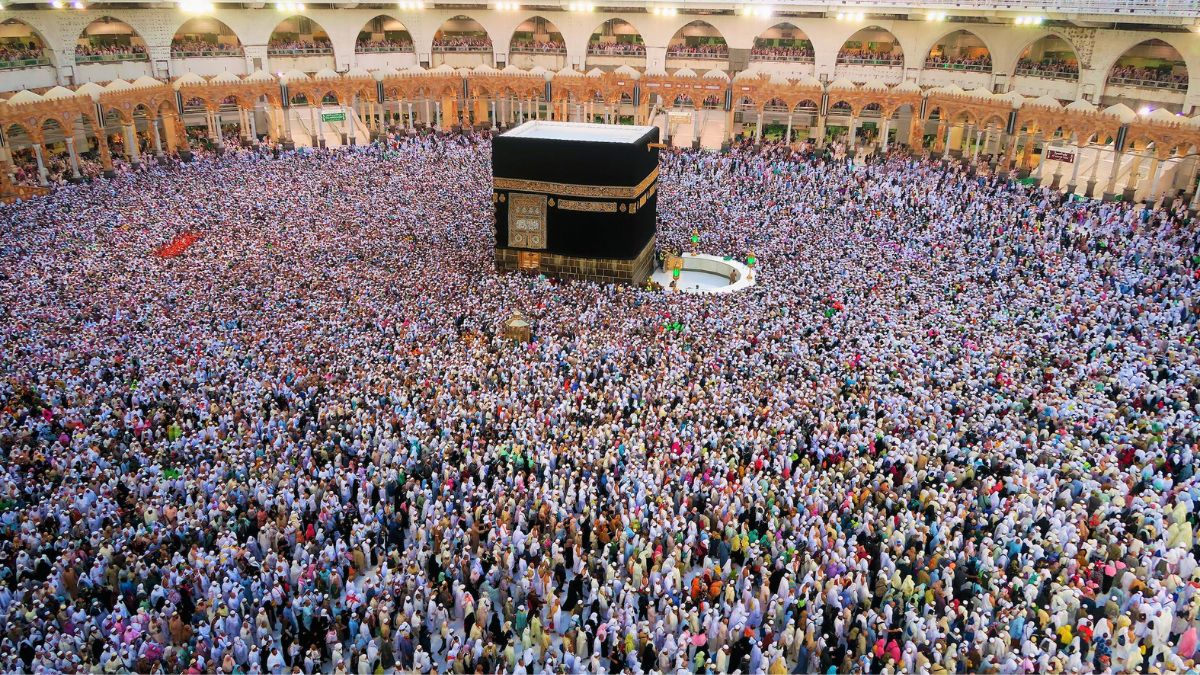
- Expect heavy crowds, especially during the last ten nights.
- Accommodation near the Haram is up to triple the usual price.
- Families with children or elderly should plan carefully.
- Preparation on the Nusuk app is essential before travelling.
- 🛡️ Licensed Travel Agency
- ⭐ 5-Star Rated Service
- 🏆 Best Umrah Service
- ✅ Verified Information
Key Takeaways
- Rewards are higher in Ramadan, but the experience is physically tougher.
- Expect heavy crowds, especially during the last ten nights.
- Accommodation near the Haram is up to triple the usual price.
- Families with children or elderly should plan carefully.
- Preparation on the Nusuk app is essential before travelling.
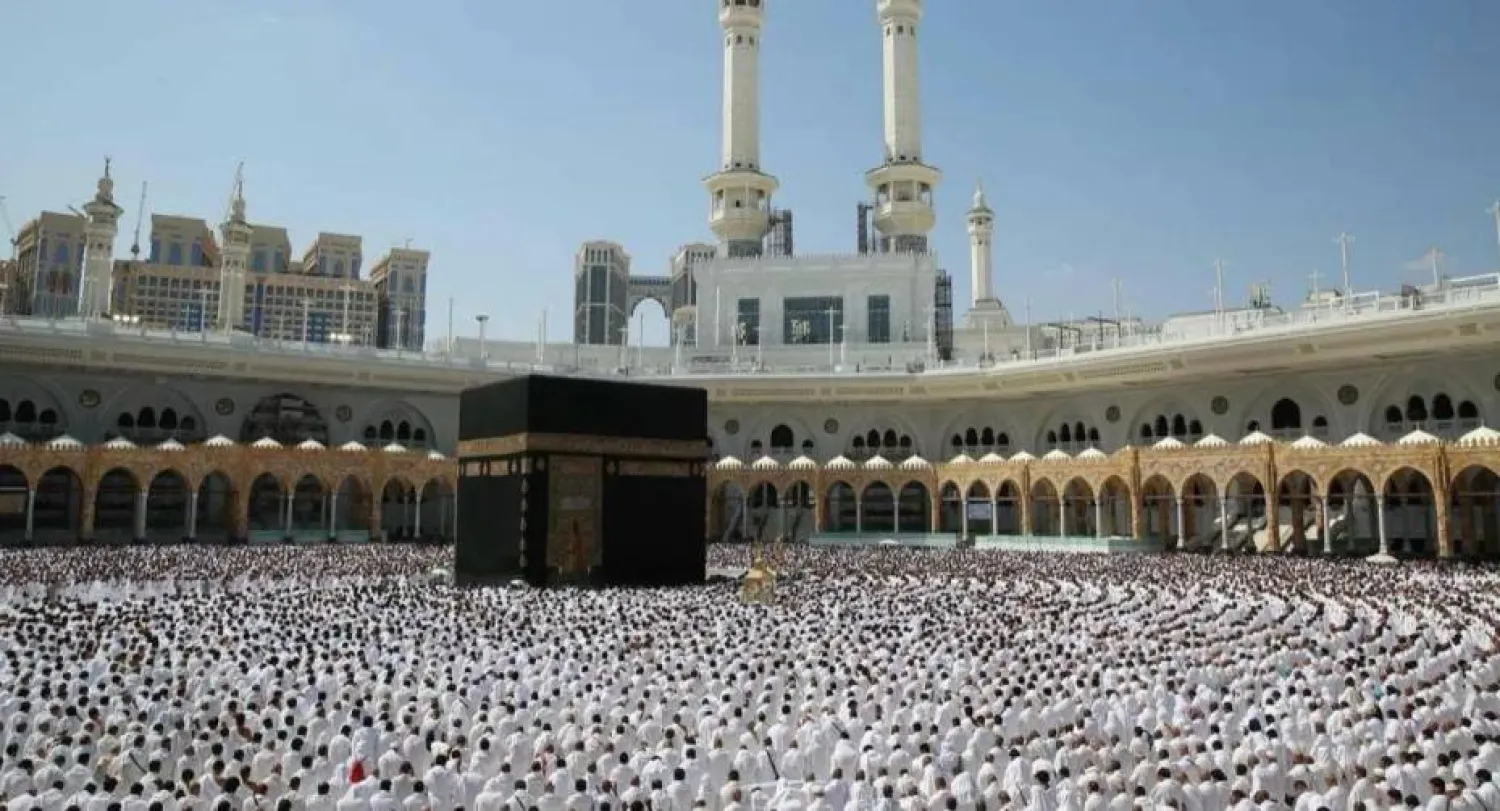
Yes, Umrah in Ramadan can be worth it, especially if you value the spiritual atmosphere and are physically ready for a demanding trip. But it is not automatically the best choice for every pilgrim: the crowds, fasting, walking and higher accommodation costs can turn poor planning into real exhaustion.
I usually tell first-time pilgrims to decide with their body and budget, not only their heart. Makkah in Ramadan is deeply moving, particularly at Iftar, Taraweeh and during the final nights, but ordinary tasks take longer. A short walk becomes slow in a crowd. Lifts fill up before prayer. Getting back to your room may involve barriers and diverted routes. If you expect these things, the experience is far easier to handle.
What makes Umrah in Ramadan so special?
The main reason pilgrims choose Ramadan is the spiritual merit. The reward of performing Umrah in this month is described as equivalent to Hajj in reward, although it does not replace the obligatory Hajj. That alone makes Ramadan a cherished time to visit Makkah, Saudi Arabia.
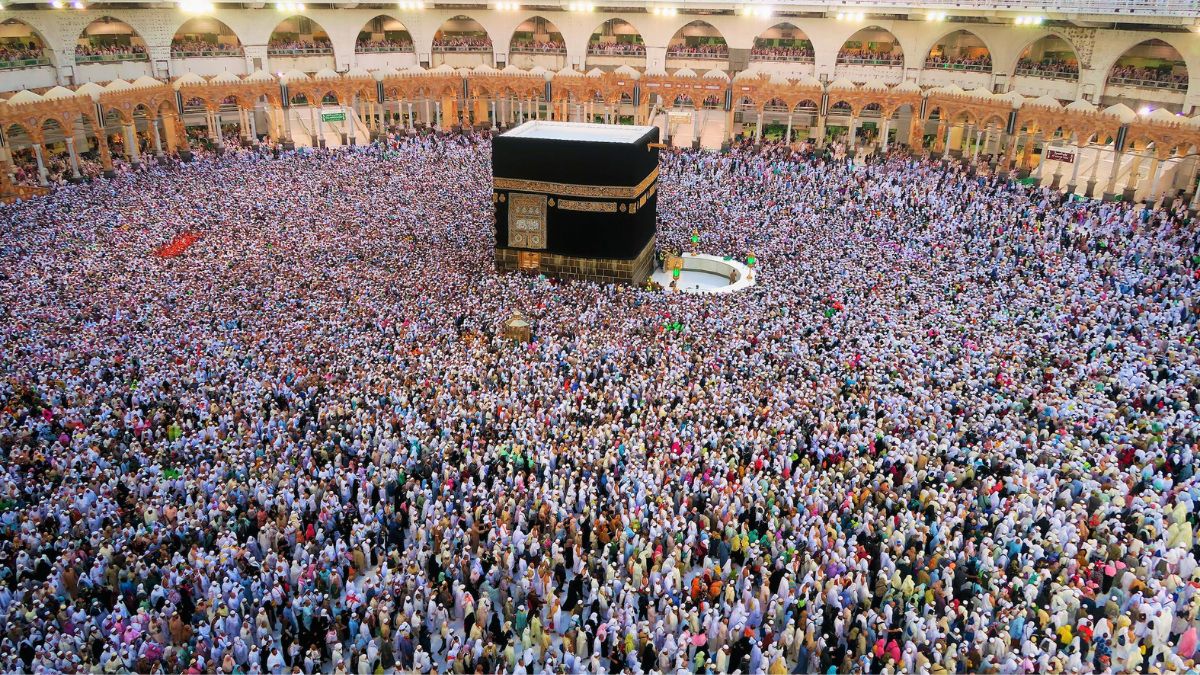
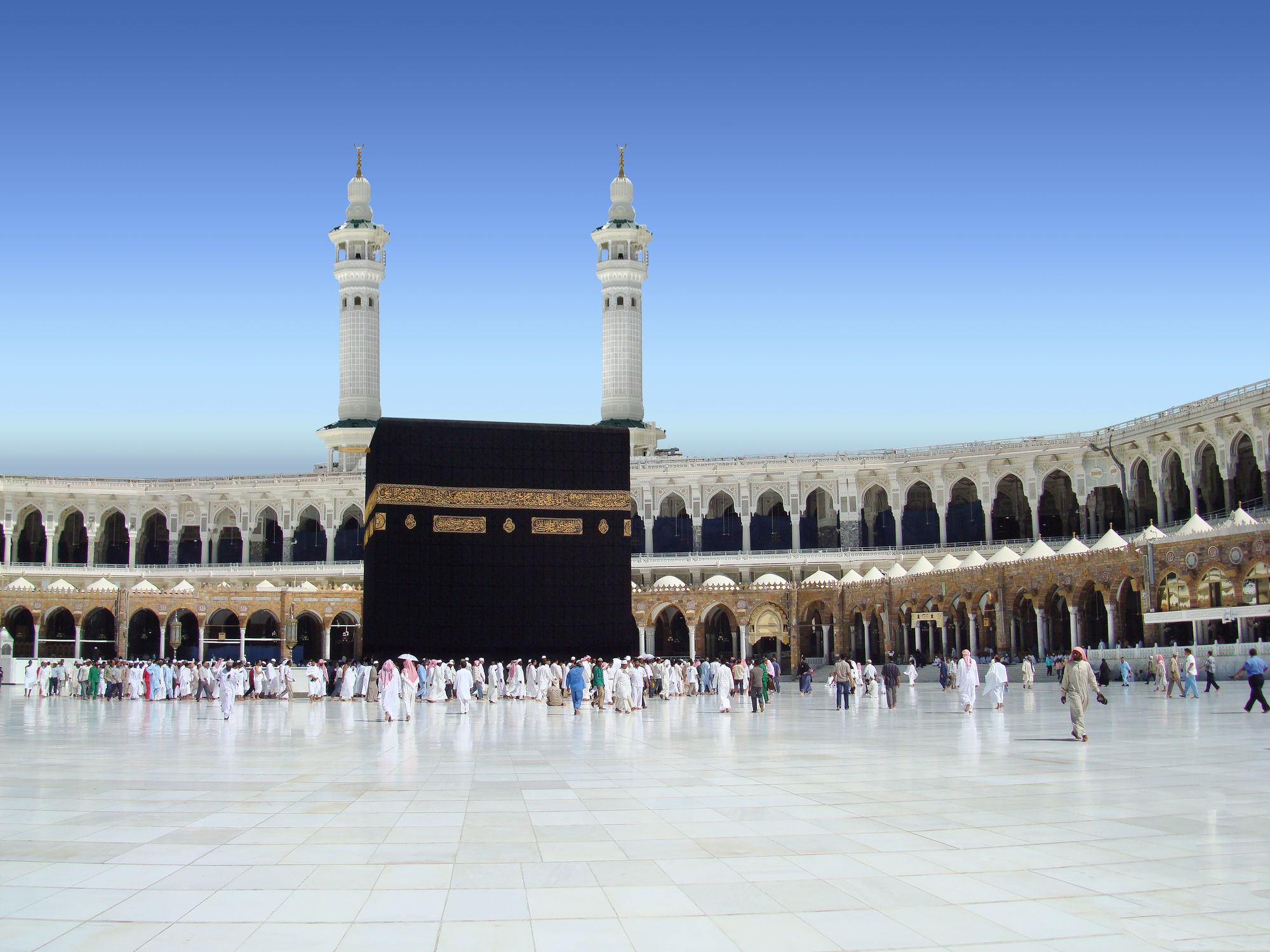
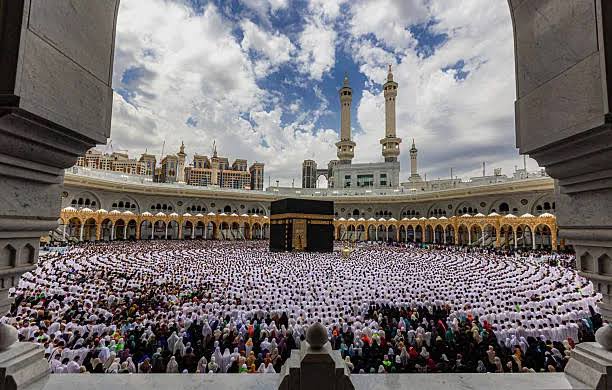
Then there is the atmosphere. Thousands of people break their fast together, often sharing dates and water with strangers. The Haram remains alive well into the night, and the recitation during Taraweeh gives the month a character you simply do not find at quieter times. Many pilgrims arrive tired and discover that the shared purpose carries them through.
There is a caveat. A crowded Haram does not always feel peaceful in the ordinary sense. You may be redirected from a gate, separated temporarily from family or unable to pray in the exact place you wanted. This is where people get it wrong: they imagine that a spiritually important trip will also be physically easy. It will not. Patience with people, security staff and changing routes becomes part of the worship.
Can your budget cope with Ramadan prices?
Accommodation in Makkah is generally at its most expensive during Ramadan, particularly close to the Haram. Rooms within straightforward walking distance can cost double or triple their usual nightly rate because demand is so concentrated. The last ten nights are normally the hardest period for both availability and cost.
Do not judge a hotel only by the distance shown on a booking page. A property described as 400 metres away may involve a steep section, a crowded road crossing or an entrance on the opposite side of a large building. With a pram, wheelchair or elderly parent, that walk feels much longer. It feels longer again after Taraweeh, when thousands of people are leaving together.
A cheaper hotel further out can still work, but check the transport honestly. Ask where the shuttle drops passengers, how often it runs around prayer times and whether you will need another walk after getting off. Shuttle queues can be disorderly at peak periods, and vehicles may be delayed by road closures. Compare the map and access details rather than relying on phrases such as “near the Haram”; resources including Makkah hotels for Umrah can help you check the practical difference between properties.
Spend more for location only if it solves a real problem. For a fit couple, a longer walk may be manageable. For a family taking children back for sleep, or someone who needs regular medication and rest, proximity can be worth more than a larger room or elaborate breakfast.
Should you choose the beginning or the last ten nights?
Ramadan is commonly described in three phases: the first ten days associated with mercy, the middle ten with forgiveness, and the final ten with seeking protection from the Fire. Throughout the month, pilgrims try to increase prayer, repentance and charity.
The last ten nights carry particular importance because they include Laylat al-Qadr, the Night of Power. They also bring the heaviest pressure on rooms, roads and prayer space. If your priority is being present for those nights and you can tolerate serious crowding, the effort may be worthwhile. If you are elderly, travelling with small children or performing Umrah for the first time, the earlier part of Ramadan may give you more room to learn the routes and complete the rites calmly.
Whichever period you choose, do not build a schedule that requires you to attend every prayer in exactly the same place. Gates can close when sections fill. Agree on a family meeting point outside the main flow, and make it specific: a named hotel entrance or numbered landmark is better than “near the clock tower”.
What must be sorted on the Nusuk app?
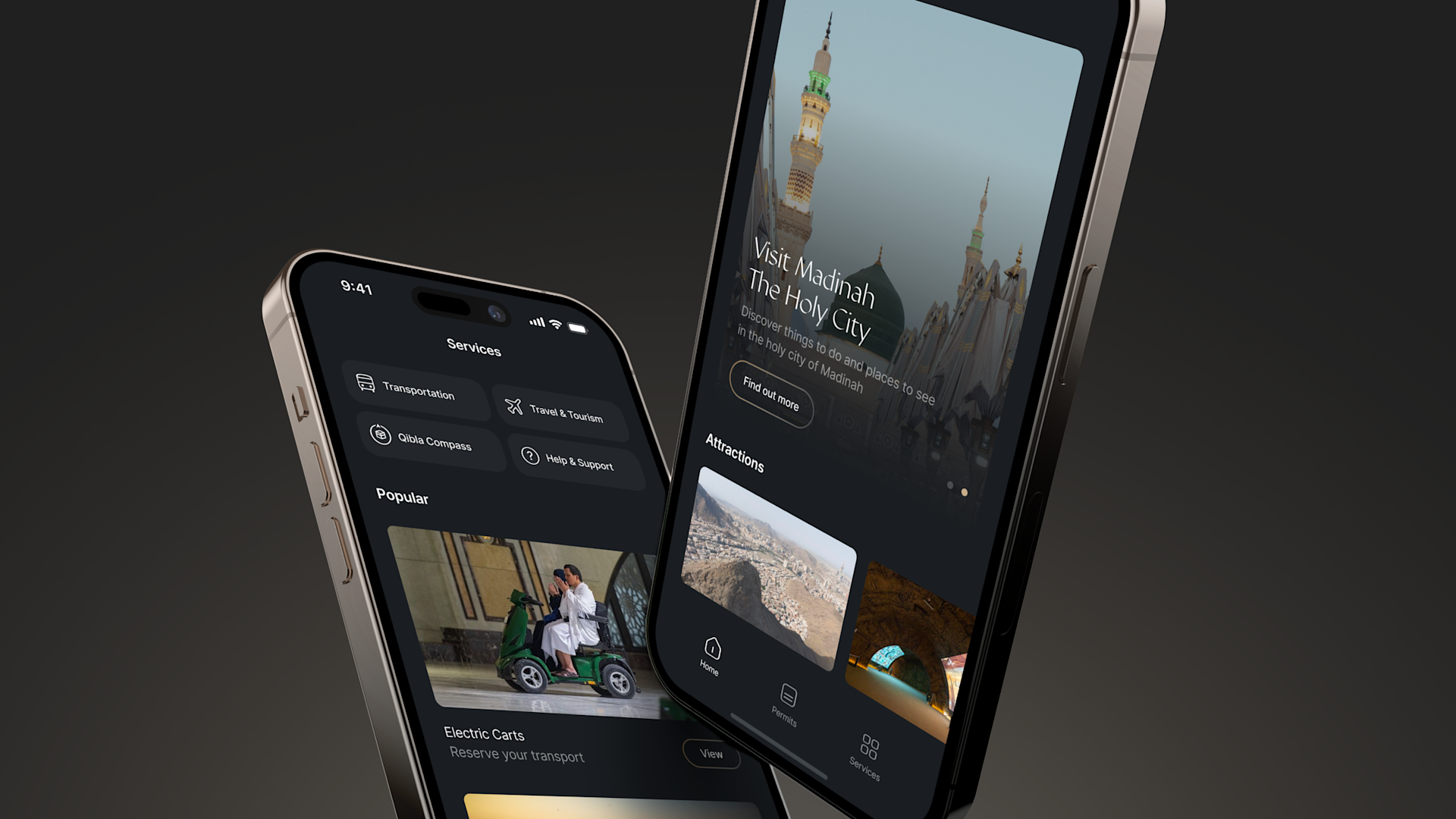
Digital preparation now matters. Download the Nusuk app, the official platform connected with the Saudi Ministry of Hajj and Umrah, and register your passport and visa details before travelling. Permit requirements and available time slots can change, so check what the app shows for your visit rather than depending on an old screenshot or forwarded message.
Rawdah appointments in Madinah are particularly sought after and can disappear quickly. Repeat visits may also be restricted, sometimes to one within 365 days. Make sure every adult has access to their own booking details, keep the phone charged and save the confirmation where it can be opened without searching through messages. A small power bank is useful, but keep the cable short and tidy in crowded areas.
Do not leave registration until arrival if you can avoid it. Name mismatches, passport-number errors and verification problems are much less stressful at home than in a hotel lobby with weak Wi-Fi and a tired family waiting.
What do the crowds actually change?
They change almost everything: when you leave, which gate you use, how long food takes and whether the nearest prayer area is still open. Before Maghrib, movement near the Haram slows as people settle for Iftar. Before Isha and Taraweeh, expect security lines and busy escalators. After prayers, standing still near an exit is unsafe and usually not allowed, so move with the flow before heading towards your meeting point.
For obligatory prayers, leave much earlier than you would in a quieter month. Depending on your location and the night, even an hour may not be enough for the prayer area you hoped to reach. Carry only what you need: hotel key, phone, identification, a small water bottle for non-fasting hours, tissues, a light prayer mat and essential medicine. Large bags slow security checks and become awkward during Tawaf.
Strollers and wheelchairs need extra planning. You may be directed to another level for Tawaf, and lifts can have long queues. Never assume the whole family can squeeze into the first available lift. One adult should stay responsible for the child or wheelchair while another handles bags; passing belongings back and forth in the doorway holds everyone up and risks separation.
If your hotel is nearby, use it properly. Rest during the hotter part of the day rather than repeatedly walking between the room, shops and mosque. Check the actual entrance and route on a map or a distance resource such as Umrah hotel booking, then walk it once without luggage before relying on it at a busy prayer time.
Is Ramadan suitable for your travel group?
If you are fit and comfortable in crowds
A healthy adult who walks regularly will usually cope better, but do not underestimate the full Umrah route. Tawaf is followed by Sa’i, standing, queues and the walk back to the hotel. The distance increases if you perform Tawaf on an upper floor. Start walking regularly before travel and wear supportive, broken-in footwear outside ihram rather than brand-new sandals.
If you are travelling with children
Children need sleep more than they need an ambitious mosque timetable. Keep snacks ready for non-fasting children, label them with a parent’s name and phone number, and photograph what they are wearing each day. Pack a thin change of clothes, wipes and a small plastic bag. Prams are useful outside but can become cumbersome around lifts and dense pedestrian routes.
One adult may need to remain at the hotel while the other attends prayer. Accept that before travelling. Families often become frustrated because everyone is trying to follow an adult schedule, when a calmer rotation would protect the children and the parents.
If an elderly relative is coming
Look beyond the phrase “wheelchair accessible”. Check whether there are steps between the street and reception, how many lifts serve the rooms, and whether the bathroom has a safe shower arrangement. Lift efficiency matters greatly in a tall hotel just before prayer. A room close to the lift sounds convenient, but corridor noise can disturb light sleepers, so ask for a practical balance.
Discuss health concerns with their doctor before booking. Carry medicines in hand luggage, in original packaging, with a written list of doses. If the pilgrim becomes dizzy, breathless or confused, stop. Missing one planned activity is better than turning fatigue into an emergency.
How should you time Umrah while fasting?
There is no single quiet time in Ramadan, particularly during the final nights. Late at night or after Fajr may be more manageable than the period around Taraweeh, but crowd levels can change without warning. If possible, observe the Haram flow once before entering ihram and committing the whole group.
Some pilgrims prefer to complete Umrah after Iftar so they can drink during the rites. The problem is that this overlaps with busy evening prayers. Others start later at night, accepting a very late finish. After Fajr can be cooler and more comfortable, though you may already be tired from worship overnight. Choose the option that matches your energy rather than chasing a supposedly perfect hour.
Eat sensibly at Suhoor. Include slow-release carbohydrates, protein, fruit and enough water, and avoid making salty restaurant food the centre of every meal. During non-fasting hours, drink steadily instead of consuming a large amount just before Fajr. Rehydration salts can be useful after heavy sweating, especially if advised for your health needs.
What should go in your day bag?
- Foot care: Carry blister plasters, ordinary plasters and a small amount of suitable balm. Treat rubbing early; a minor hotspot can make Sa’i miserable by the next day.
- Health essentials: Pack prescribed medicine, rehydration salts, tissues, hand sanitiser and a face covering if you choose to use one in dense areas.
- Phone basics: Save the hotel address in Arabic and English, keep emergency contacts accessible and carry a compact power bank.
- Simple identification: Children, elderly pilgrims and anyone likely to become disoriented should carry the hotel name and a working contact number.
- Very little else: Heavy guidebooks, several bottles and spare shoes quickly become a burden. Keep valuable documents secured at the hotel where appropriate.
Agree on what to do if separated. Do not fight against the crowd trying to walk backwards. Continue to a safe edge, contact the group and use the fixed meeting point. Hotel staff can write the property address in Arabic, and the location details on HotelsInMakkah.com may also help when checking your route before departure.
So, is Umrah in Ramadan the right choice?
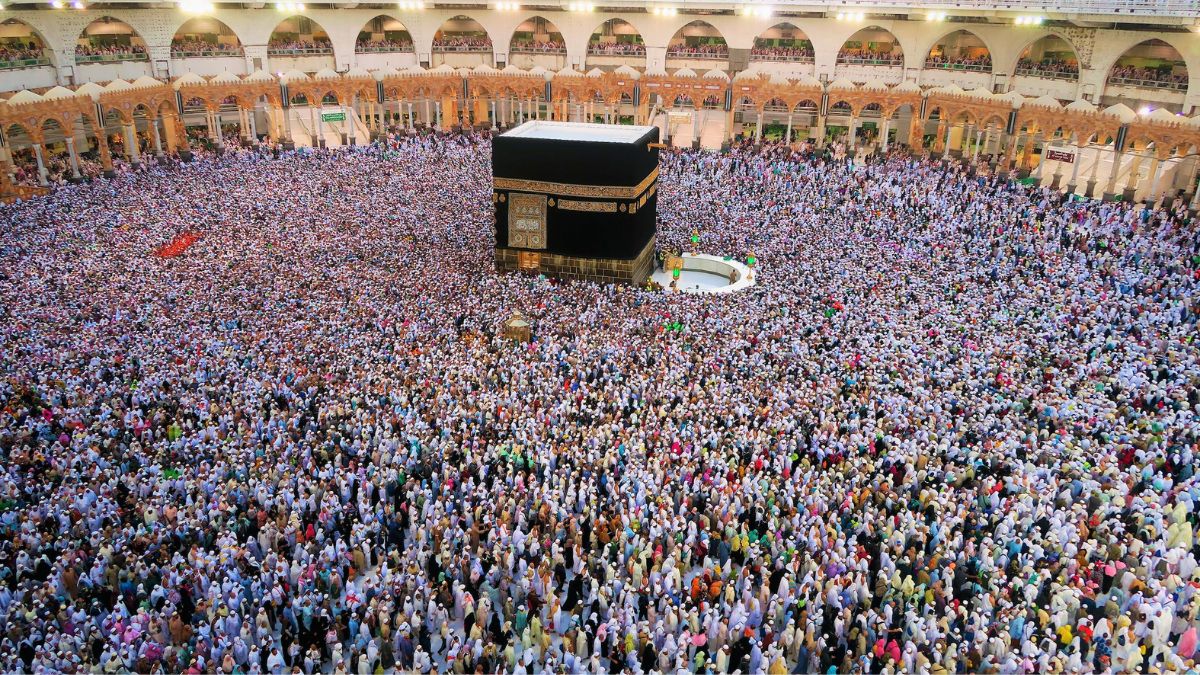
It is worth it for pilgrims who understand the trade-off. You gain an exceptional month of worship in Makkah, shared Iftar, Taraweeh and the possibility of spending precious nights close to the Haram. In return, you accept higher costs, interrupted sleep, long walks and crowded public spaces.
Do not measure a successful trip by how many hours you remained inside the mosque. A well-paced Umrah, completed with patience and care for your family, is better than an exhausting timetable that ends in illness or arguments. Prepare your permits, practise walking, choose realistic accommodation and leave spare time around every movement.
If those demands fit your health, finances and family circumstances, the answer is yes. Umrah in Ramadan can be one of the most meaningful journeys you make. If they do not, travelling in a quieter month is not a lesser decision; it may allow you to perform the rites with more calm and concentration.
Questions pilgrims usually ask before booking
1. Is Umrah in Ramadan suitable for a first visit?
Yes, provided you prepare for crowds and do not overload the itinerary. Learn the route between your hotel and the Haram, arrange a meeting point and allow more time than you think you need.
2. How much more does Ramadan cost?
Accommodation close to the Haram can be double or triple the normal nightly rate, with the last ten nights attracting particularly heavy demand. Compare the full cost, including transport and the physical effort of staying further away.
3. Is a hotel beside the Haram essential?
No, but it can make a major difference for children, elderly relatives and anyone with limited mobility. A more distant hotel is workable if its shuttle and walking route are genuinely practical.
4. How can I cope with heat while fasting?
Rest indoors during the hotter hours, reduce unnecessary daytime journeys and hydrate steadily between Iftar and Suhoor. Seek medical help if you develop worrying symptoms rather than trying to push through them.
5. What if I have an existing health condition?
Speak to your doctor before travelling and ask specifically about fasting, medication timing and strenuous walking. Keep essential medicine with you and make sure a companion understands your needs.
6. How crowded does Makkah become?
Very crowded around prayer times, with the greatest intensity usually during the last ten nights. Entrances, escalators and roads may be redirected or temporarily restricted as areas fill.
7. Can young children manage?
They can, but the adults must adapt. Build in naps, carry basic supplies and accept that one parent may miss a planned prayer in the Haram to care for a tired child.
8. How should I prepare physically?
Walk regularly before the trip and gradually increase the distance. Practise in the footwear you intend to use outside ihram, and address knee, foot or breathing problems before departure.
9. When is Tawaf less crowded?
Late-night and post-Fajr periods can sometimes be easier, but there is no guaranteed quiet window in Ramadan. Follow local directions and avoid forcing the group into a crowded Mataf area when another permitted level is safer.
10. What should I check before reserving a room?
Check the real walking route, gradient, entrance, lift arrangements and shuttle drop-off. Do not rely on the advertised distance alone, especially if your party includes a wheelchair or pram.
Also Read This
Cost of Umrah in Ramadan: Budgeting & Money-Saving Tips
7 Common Mistakes to Avoid During Umrah in Ramadan
Luxury Hotel Near Nabawi Mosque: Is It Worth the Price?
Hotel Near Nabawi Mosque
When you’re ready to price a stay, you can compare Madinah hotels near the Prophet’s Mosque and see what fits your dates and budget.
You Might Also Like
Akhil Shariff ✓
Umrah Specialist with 10+ years experience
Akhil Shariff is an Umrah specialist with over 10 years of experience arranging hotels, transfers and ziyarath for pilgrims travelling to Makkah and Madinah. He works with hotel partners on the ground in both cities and reviews every guide against what pilgrims actually report back.
🏆 Verified Expert
Frequently Asked Questions About Is Umrah in Ramadan Worth It
- Is going for Umrah in Ramadan recommended for my first time?
- Yes, but only if you’re ready for very large crowds and tiring days. Give yourself extra time for every step, prepare a simple plan, and expect delays. The spiritual atmosphere is special, yet practical challenges can be overwhelming for first-time visitors without careful planning and flexibility.
- Will it be too hot or crowded for an elderly parent or young children?
- Ramadan is the busiest and often hottest period for Umrah. Older adults and families with young kids face long walks, crowded lifts, and delays, which can become exhausting. Choose accommodation with easy access and limit outdoor activity during the hottest part of the day.
- How much more expensive is accommodation during Ramadan?
- Hotels near the Haram can be double or triple their usual rates during Ramadan, especially in the last ten nights. Further hotels may save money, but be sure shuttle routes and walking distances are manageable, especially for families or those with limited mobility.
- Do I need to stay beside the Haram to have a good Umrah in Ramadan?
- It’s not essential, but being close is a big help for the elderly or those with children. Distant hotels work if their transport and walking routes are genuinely manageable. Always check these practical details before booking rather than trusting general descriptions.
- How can I avoid exhaustion while fasting during Umrah?
- Plan your rituals when your energy is highest, either after Iftar or Fajr, and rest during the hottest hours of the day. Hydrate steadily from Iftar to Suhoor, avoid salty meals, and don’t pressure yourself to attend every prayer inside the mosque.
- What happens if I get separated from my group in the crowds?
- Before you travel, agree on a clear, specific meeting point outside the main crowd flow—like a hotel entrance or numbered landmark. If separated, do not fight against the crowd but move to a safe edge and contact your group. Children and elderly should carry your hotel name and contact number.
- Do I need to use the Nusuk app for my Umrah trip in Ramadan?
- Yes, you need to register your passport and visa details on the Nusuk app before travelling. Appointment requirements for areas like the Rawdah can change quickly, so register early and make sure every adult can access their documents. Problems are easier to handle before you leave home.
- Is every prayer spot accessible during Ramadan or could I get blocked from entering?
- Not all gates or prayer areas are available at all times in Ramadan—security may close sections as soon as they fill. Always plan extra time to reach prayers and accept that you may be redirected or separated from your family in the crowd.
Ready to Book Your Umrah Journey?
Compare verified hotels in Makkah and Madinah with guaranteed best prices.
Browse Hotels →