Performing Umrah in Ramadan: What You Need to Know
Performing Umrah in Ramadan — practical, evergreen guidance from our licensed Umrah specialists, written for pilgrims booking hotels in Makkah near Haram and hotels in Madinah near the Prophet's Mosque. Every claim in this guide is verified against current Saudi Ministry of Hajj guidance and our own operational data from thousands of completed Umrah journeys. If you're planning your trip now, jump to our all-inclusive Umrah packages or read related deep-dives in the section below. Questions? Our WhatsApp team replies in under 30 seconds, 24/7.
Performing Umrah in Ramadan is a dream for many Muslims seeking immense spiritual rewards. Discover the blessings, real challenges of crowds and heat, and practical tips to help you prepare for a meaningful and manageable experience during the holy month.
Quick overview
Performing Umrah in Ramadan: quick overview
Performing Umrah in Ramadan is a dream for many Muslims seeking immense spiritual rewards. Discover the blessings, real challenges of crowds and heat, and practical tips to help you prepare for a meaningful and manageable experience during the holy month.
- Umrah in Ramadan carries a reward equal to Hajj, but does not replace it.
- Crowds are heaviest near prayers and during the last ten nights.
- Rest, hydration and flexible schedules are vital for all ages.
- Accommodation near the Haram fills quickly and routes may be tiring.
- Carefully plan group movements to avoid separation.
- 🛡️ Licensed Travel Agency
- ⭐ 5-Star Rated Service
- 🏆 Best Umrah Service
- ✅ Verified Information
Key Takeaways
- Umrah in Ramadan carries a reward equal to Hajj, but does not replace it.
- Crowds are heaviest near prayers and during the last ten nights.
- Rest, hydration and flexible schedules are vital for all ages.
- Accommodation near the Haram fills quickly and routes may be tiring.
- Carefully plan group movements to avoid separation.
Performing Umrah in Ramadan is deeply rewarding, but it is also more crowded, tiring and logistically demanding than Umrah at quieter times. If you prepare for the fasting hours, choose your timings carefully and allow far more time than usual for every movement, it can be manageable even for a first-time pilgrim.
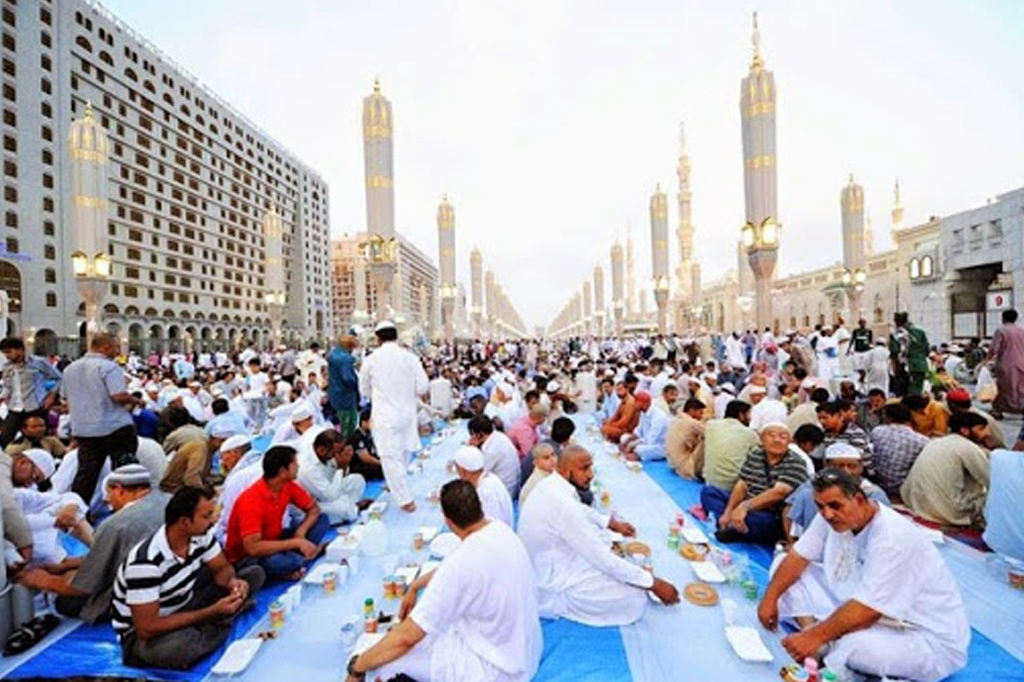
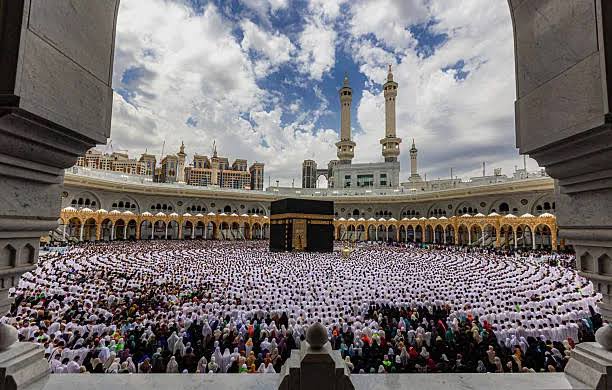
The atmosphere in Makkah changes completely during Ramadan. The Haram remains busy deep into the night, families arrive early for prayers, and the roads, lifts and food areas all work under heavy pressure. That shared devotion is moving, but it does not remove the practical strain of heat, fasting and dense crowds.
This is where people sometimes get it wrong: they plan the trip around flight and hotel dates, but not around their own stamina. Ramadan Umrah needs a daily plan with proper rest built into it. Trying to attend every prayer in the same place, complete Umrah at the busiest hour and stay awake all night can leave you exhausted within a few days.
Why does Umrah in Ramadan mean so much?
Authentic traditions state that Umrah performed in Ramadan carries a reward equivalent to Hajj. This describes the reward; it does not replace the obligation of Hajj for someone upon whom Hajj is due. That distinction matters, especially when explaining the journey to younger family members or first-time pilgrims.
Beyond the reward, there is a character to Ramadan in Makkah that is difficult to reproduce elsewhere. People break their fast together, strangers make room for one another, and the recitation during the night prayers can stay with you long after you return home. Many pilgrims come primarily to seek forgiveness, make dua and spend fewer hours distracted by ordinary life.
The final ten nights carry particular significance because they include Laylatul Qadr, the Night of Decree. They are also the most demanding nights operationally. Entrances may be controlled, preferred prayer areas fill early, and getting back to your room can take much longer than the map suggests. The spiritual opportunity is immense, but you should arrive expecting pressure rather than quiet.
Are you ready for the heat, fasting and crowds?
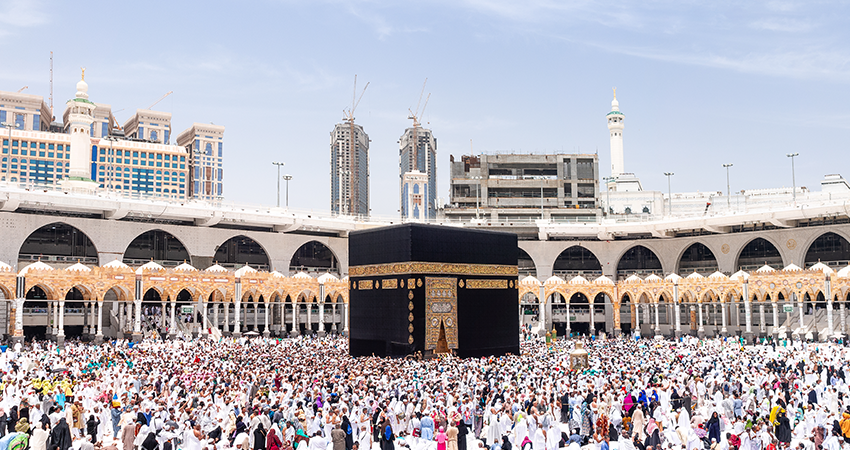
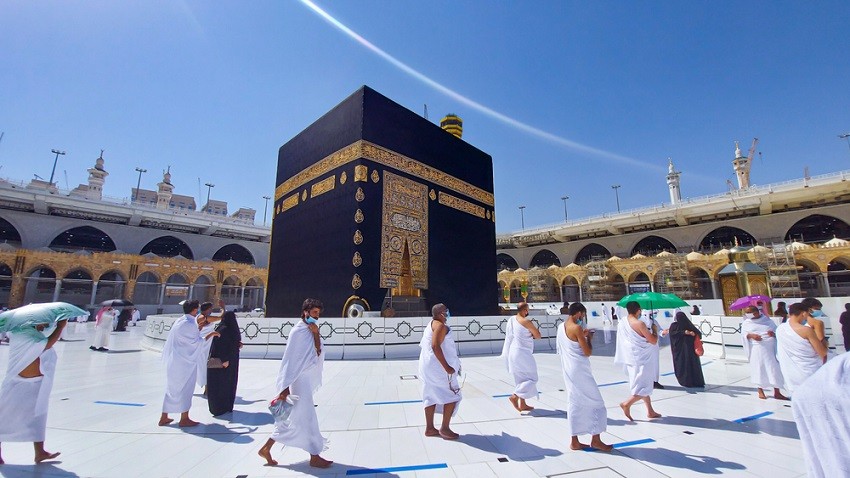
During Ramadan, Tawaf and Sa’i can take longer simply because the flow of people slows. You may be redirected to another level or entrance, and members of the same group can become separated in seconds. Agree on a meeting point before entering the crowd. “By the door” is not specific enough; choose a numbered gate, a recognisable shop outside, or your hotel lobby.
Daytime temperatures in Makkah can exceed 40°C. A walk that appears short on a booking map feels very different in direct heat while fasting, particularly with a wheelchair, pram or tired child. Marble, road crossings, security diversions and queues for lifts all add time. Elderly pilgrims and anyone with a heart, breathing, mobility or blood-sugar condition should speak to their doctor before travelling.
Costs and availability also tighten during this period. Accommodation close to the Haram fills quickly, transport between Makkah and Madinah is in greater demand, and vehicles may not be able to drop you exactly where expected. Keep some flexibility between transfers, check-out times and flights. A schedule with no breathing room is usually the first thing to unravel.
Which gate will you actually use from your hotel?
Do not choose accommodation on straight-line distance alone. Ask which entrance you are likely to use, whether the route involves steps or steep ramps, and how long the lifts take around prayer times. A hotel advertised as 400 metres away may involve a tiring route through crowds; another slightly farther away may have a clearer, flatter approach.
We usually tell families to trace the route on a map and then confirm it with the property. Find out whether wheelchairs and prams can use the same entrance, and whether road closures alter the route during busy prayers. In Madinah, the same principle applies when choosing a hotel near Nabawi Mosque, though the gate layout and access arrangements are different from Makkah.
A nearby room is useful because it gives you somewhere to sleep, cool down and change between prayers. The trade-off is cost, and “near” does not guarantee an easy journey if you are waiting ten minutes for a packed lift each time. Lower floors can sometimes be practical, provided stairs are safe and permitted for your group.
What should you pack and plan before leaving?
How should you eat and drink outside fasting hours?
Hydrate steadily between iftar and suhoor rather than drinking a large amount just before Fajr. At suhoor, choose food you already tolerate well: dates, complex carbohydrates, yoghurt, eggs or another source of protein. Very salty and heavily fried meals often make the following day harder.
Carry prescribed medicines in their original packaging, rehydration salts, plasters and a simple medical note if you have an ongoing condition. Keep medication in your hand luggage, not in a suitcase that may arrive late. Religious and medical guidance about fasting should be sought from suitably qualified people before departure, not after you feel unwell.
When is the least difficult time for Tawaf and Sa’i?
Early morning and late night can be easier than the periods immediately around major prayers and iftar, but there is no reliably empty hour in Ramadan. Crowd patterns change, particularly during the final ten nights. Check current access instructions, eat and hydrate first if you are not fasting, and do not begin simply because your group leader is in a hurry.
Allow time for toilets, wudu, security checks and finding the correct level. If you are taking elderly relatives, a wheelchair or small children, add a generous margin. Completing the rites with calm attention is better than forcing a tight timetable while everyone is tired.
What belongs in your day bag?
Keep it light. Take a refillable water bottle for non-fasting hours, unscented tissues, a small prayer mat if needed, a power bank, charging cable, hotel card, identification details and a clearly labelled medicine pouch. Comfortable footwear is essential for the walk outside; carry a simple shoe bag so you are not searching for sandals among hundreds of similar pairs.
Large luggage and bulky bags slow security checks and are awkward in packed lifts. A pram can also become difficult when routes are redirected, so families should know how they will carry the child if access changes. Write one local contact number on a card and place it in each child’s pocket.
How do you stop the group becoming separated?
Use a buddy system and keep elderly pilgrims between stronger walkers rather than trailing behind. Share the hotel location and gate number in the group chat, but do not depend entirely on mobile data or battery life. Take a screenshot of the route and agree that nobody turns back into a moving crowd to search alone.
If someone becomes separated, move to the agreed meeting point and wait. Security staff are accustomed to helping pilgrims. Pushing against the crowd creates more danger and rarely saves time.
Which apps should be ready before arrival?
Download the Nusuk app before travelling and complete any required account setup while you have reliable internet access. Keep your booking details and relevant permits available offline as screenshots. Apps can help with appointments and current information, but access rules can change, so follow official instructions and signs on the ground.
How close to the Haram do you really need to stay?
For a fit adult, a longer walk may be acceptable and can reduce accommodation costs. For someone using a wheelchair, managing young children or returning repeatedly during the day, proximity has much greater value. Look beyond the bedroom: check lift capacity, step-free access, breakfast and suhoor arrangements, and whether taxis can reach the entrance during closures.
Booking early gives you a better choice, particularly for the final ten nights. If you compare rooms through Makkah hotels near Haram, verify the stated route independently and ask the property which Haram gate guests normally use. Listings on Umrah hotel booking can help with an initial shortlist, while the separate HotelsInMakkah.com address should still be treated as one source rather than a substitute for checking current access and lift arrangements yourself.
So, should you perform Umrah in Ramadan?
If your health is stable, your expectations are realistic and your itinerary includes rest, Ramadan can be a wonderful time for Umrah. You do not need to be an athlete, but you do need to respect the effects of fasting, interrupted sleep, heat and constant walking.
The sensible approach is to protect your energy for worship. Build each day around one or two priorities, leave early for prayers, and accept that you may occasionally pray in a different area from the one you hoped for. Missing a preferred spot is not a failed journey.
Families should discuss limitations honestly before booking. If an elderly parent cannot manage long queues or a child struggles with late nights, plan shifts so one adult can rest with them. A quieter period may be the better choice for someone medically vulnerable. There is no benefit in ignoring sound health advice to keep up with other pilgrims.
Good preparation will not remove every delay. It will, however, prevent common problems from becoming crises: lost group members, missed medication, dehydration, unsuitable walking routes and impossible transfer times. That leaves more attention for the reason you travelled in the first place.
FAQs
1. Is Ramadan Umrah suitable for a first-time pilgrim?
Yes, provided you understand that it will be busy and physically demanding. Learn the rites before travelling, avoid an overloaded programme, and go with someone dependable if you are anxious in crowds. First-timers often cope well when they rest properly instead of trying to follow every movement of a large group.
2. How crowded does Makkah become in Ramadan?
It becomes significantly busier, with the greatest pressure during the final ten nights. Tawaf, Sa’i, entrances, lifts and nearby roads can all be congested. Conditions vary by prayer and access point, so leave early and follow staff directions rather than trying to force your usual route.
3. Is the reward really equivalent to Hajj?
Authentic traditions describe Umrah in Ramadan as carrying a reward equivalent to Hajj. It does not replace the obligatory Hajj for a person who is required and able to perform it.
4. How can families cope with children and elderly relatives?
Keep the programme flexible, choose clear meeting points and split responsibilities between adults. Check wheelchair, pram and lift access before each outing. Short breaks in an air-conditioned space can prevent fatigue from building into illness or distress.
5. Is accommodation difficult to find?
Convenient rooms become harder to secure as demand rises, especially close to the Haram. Do not judge a property only by its advertised distance. Confirm the walking route, gate, gradients, lift situation and vehicle access before paying.
6. What health precautions should I take?
Consult your doctor if you have any medical condition, bring enough prescribed medicine and hydrate properly outside fasting hours. Carry rehydration salts and basic first-aid items. Seek help promptly for dizziness, chest pain, confusion or unusual breathlessness rather than trying to push through.
7. Can I avoid the crowds completely?
No. Early morning or late night may be more manageable, but Ramadan has no guaranteed quiet window. Reduce the strain by avoiding predictable surges, travelling light and accepting alternative levels or entrances when directed.
8. Should elderly pilgrims perform Umrah in Ramadan?
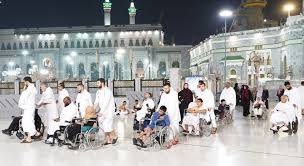
That depends on their health and mobility. Heat, fasting, disrupted sleep and crowds can be a difficult combination. Medical advice, wheelchair arrangements, accessible accommodation and a family member who can remain with them are essential.
9. When should I book?
The original practical recommendation is to book four to six months ahead for a wider choice near the Haram. Even then, compare cancellation terms and confirm the room type directly, particularly if you need step-free access or connected family rooms.
10. Does hotel location make a major difference?
Often, yes. A short, level route can conserve energy and make daytime rest possible. But lift queues, road closures and the location of your usable gate matter just as much as the distance shown on a map.
Also Read This
Umrah in Ramadan vs. Other Months: Which is Best?
How to Plan Umrah in Ramadan: A Step-by-Step Guide
7 Common Mistakes to Avoid During Umrah in Ramadan
Cost of Umrah in Ramadan: Budgeting & Money-Saving Tips
You Might Also Like
Akhil Shariff ✓
Umrah Specialist with 10+ years experience
Akhil Shariff is an Umrah specialist with over 10 years of experience arranging hotels, transfers and ziyarath for pilgrims travelling to Makkah and Madinah. He works with hotel partners on the ground in both cities and reviews every guide against what pilgrims actually report back.
🏆 Verified Expert
Frequently Asked Questions About Performing Umrah in Ramadan
- Is Umrah in Ramadan too difficult for a first-time pilgrim?
- It can be challenging, but it is manageable if you pace yourself, rest properly, and avoid an overloaded schedule. Studying the rites before you go, planning ahead, and travelling with someone dependable help first-timers cope, even with crowds and heat.
- How badly crowded does it get, especially at the Haram?
- Makkah becomes extremely crowded in Ramadan, especially during the final ten nights and peak prayers. Expect queues, congestion at gates and lifts, and slower Tawaf and Sa’i. Early arrival and flexibility with entrances or timings help avoid the worst pressure points.
- If the reward is like Hajj, do I still need to perform Hajj?
- Yes, you still need to perform Hajj separately if it is required for you. The tradition describes equivalent reward for Umrah in Ramadan, but it does not replace the obligation of Hajj where it is due.
- How do families manage with young children or elderly parents during Ramadan Umrah?
- Keep the itinerary flexible, agree on precise meeting points, and share responsibilities among adults. Plan for regular indoor breaks and check lift, wheelchair, or pram access before setting out, as fatigue and queueing can affect children and elderly relatives quickly.
- What should I look for when booking accommodation near the Haram?
- Prioritise more than just distance: check for step-free access, lift situation, likely entry routes and vehicle drop-off points. A slightly farther hotel with a clear and flatter approach, or less crowded lifts, may actually be easier for daily movement, especially with mobility needs.
- Can I avoid the Ramadan crowds by choosing a certain time of day?
- You may find early morning or late night less crowded, but there is no truly empty period in Ramadan. Crowd patterns shift, especially at peak times or in the last ten nights; be willing to use alternative entrances and allow much more time than usual.
- Should elderly or medically vulnerable people attempt Umrah in Ramadan?
- They should only consider it if their health and mobility are sufficient for heat, fasting, and crowds. Medical consultation, wheelchair arrangements, accessible accommodation and a companion for assistance are all essential; otherwise, a less crowded period is usually better.
- What should I pack and prepare for health and comfort?
- Pack prescribed medicines in original packaging, rehydration salts, plasters, and identification details. Hydrate steadily outside fasting hours and eat foods you tolerate well. Always carry essential medication in hand luggage and seek medical advice before travelling, especially if you have a chronic condition.
Ready to Book Your Umrah Journey?
Compare verified hotels in Makkah and Madinah with guaranteed best prices.
Browse Hotels →